// 01 Social & Sustainability

Build With Social Responsibility

WEGE is committed to managing the economic and social impacts of its business activities through high standards of corporate social responsibility, sustainable socio-economic development, respect for human values and human rights, sustainable and equitable local human resource development, and harmonious and inclusive relationships with stakeholders.
Approach
Period
FY 2025
Scope
WEGE & subsidiaries
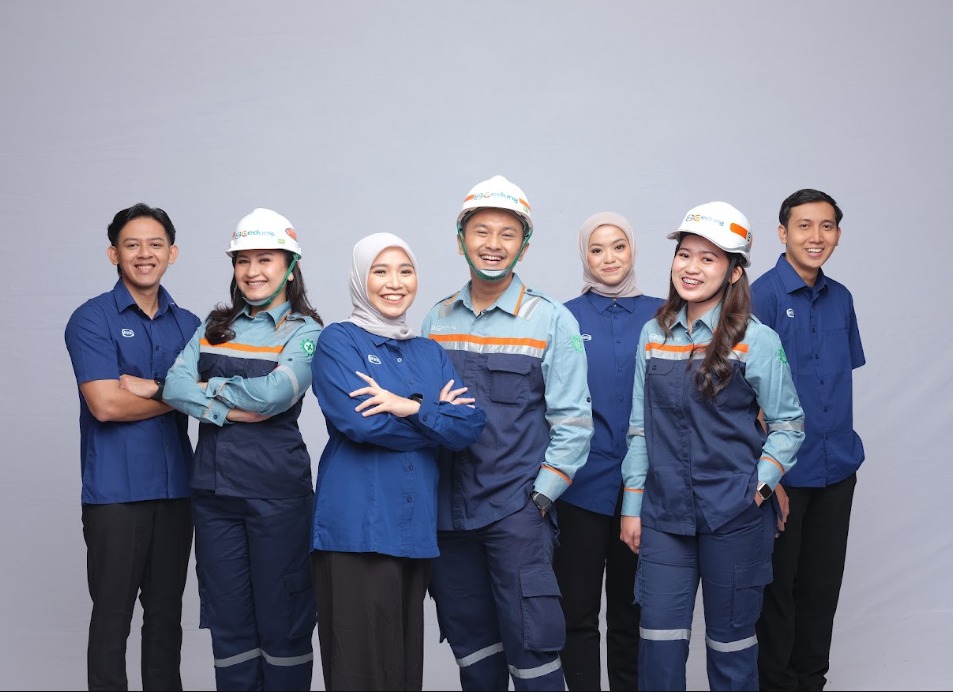
WEGE manages its human resources as the primary foundation for realising the company vision and mission and sustaining performance, in line with the triple bottom line (People, Planet, Profit). Through a structured approach to harmonious industrial relations, WEGE is committed to creating a working environment that fulfils labour rights, well-being, and competency development for all employees. This commitment is realised through employment policies and practices that refer to prevailing regulations, ensuring every member of the company can grow and deliver their best contribution to sustainable development.
// A·01 — IN NUMBERS In Numbers Quantitative human capital snapshot, FY 2025
01 · KOMPOSISI 2025

Total Employees

460 active employees
  • Pria 405 · 88%
  • Wanita 55 · 12%
460 TOTAL
4-year trend
+15.1%
02 · MOBILITAS 4-yr streak

% Internal Hiring

100% INTERNAL
Internal Hiring Detail
299
03 · PENGEMBANGAN avg/employee

Training Hours

Laki-Laki 23,56 jam/karyawan
Perempuan 20,62 jam/karyawan
Achievement vs target (20 hrs) 110%
// A·02 — PROGRAM Program Click a card to reveal key activities & achievements
04 · PROGRAM

Business and Human Capital Strategy

WEGE aligns its Human Capital strategy with the company’s business direction through planning that takes into account the RJPP, RKAP, organizational needs, and project priorities. This approach ensures that human resources management is focused, adaptive, and supports the sustainable achievement of the company’s goals.

05 · PROGRAM

Organization and Culture

WEGE manages organizational structure and workplace culture through strategic planning, the implementation of corporate values, and the evaluation of organizational effectiveness. This process fosters a productive and adaptable work environment that aligns with the company’s long-term goals.

06 · PROGRAM

Recruitment and Selection

WEGE conducts recruitment and selection in a systematic, objective, and job-based manner. This process is designed to ensure that the company secures talent that meets its qualification requirements, competency standards, and operational needs.

07 · PROGRAM

Performance Management

WEGE has implemented a performance management system to align the KPIs of the company, its business units, and individual employees. This system serves as the foundation for performance evaluations, employee development, and more measurable and accountable career decisions.

08 · PROGRAM

Learning and Development

WEGE conducts learning and development programs based on competency requirements, assessment results, and performance evaluations. These programs aim to enhance employees’ capabilities so they can support business needs and industry developments.

09 · PROGRAM

Talent, Career, and Succession Management

WEGE manages talent, careers, and succession through potential mapping, individual development, talent pools, and successor readiness for strategic positions. This process supports leadership continuity and the organization’s readiness for the future.

10 · PROGRAM

Total Rewards

WEGE manages compensation through remuneration and total reward policies that take into account regulations, performance, job grading, and company policies. This management approach is designed to support employee well-being, recognize performance, and ensure compliance with applicable regulations.

11 · PROGRAM

Industrial Relations

WEGE maintains harmonious labor relations through the implementation of collective bargaining agreements, bipartite communication, compliance with labor laws, and the orderly resolution of labor issues. This approach supports the creation of a conducive, fair, and sustainable work environment.

// B·01 — BUSINESS PROCESS

Business Process

Diagram & Narrative — WEGE's integrated Human Capital Management System

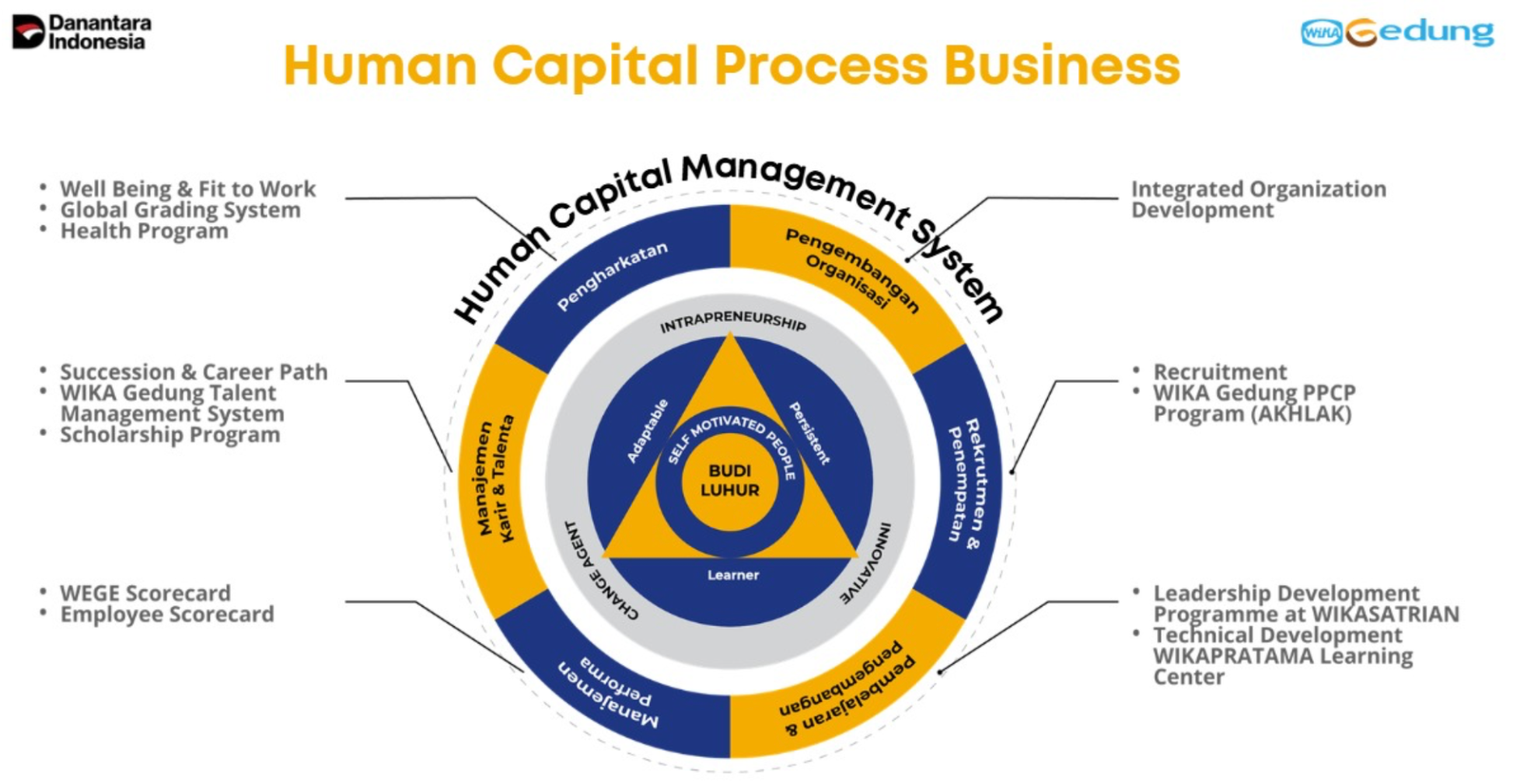
Human Capital Management Business Process at WEGE

The company has developed an integrated Human Capital Business Process by leveraging the SAP WIKA Gedung Human Capital Management System (HCMS) and Learning Management System (LMS) to support transparent, accountable, and well-documented human resources management that aligns with the organization’s strategies and needs.

// A — PROCESS FLOW

Process Flow

Diagram & Narrative — WEGE recruitment process flow

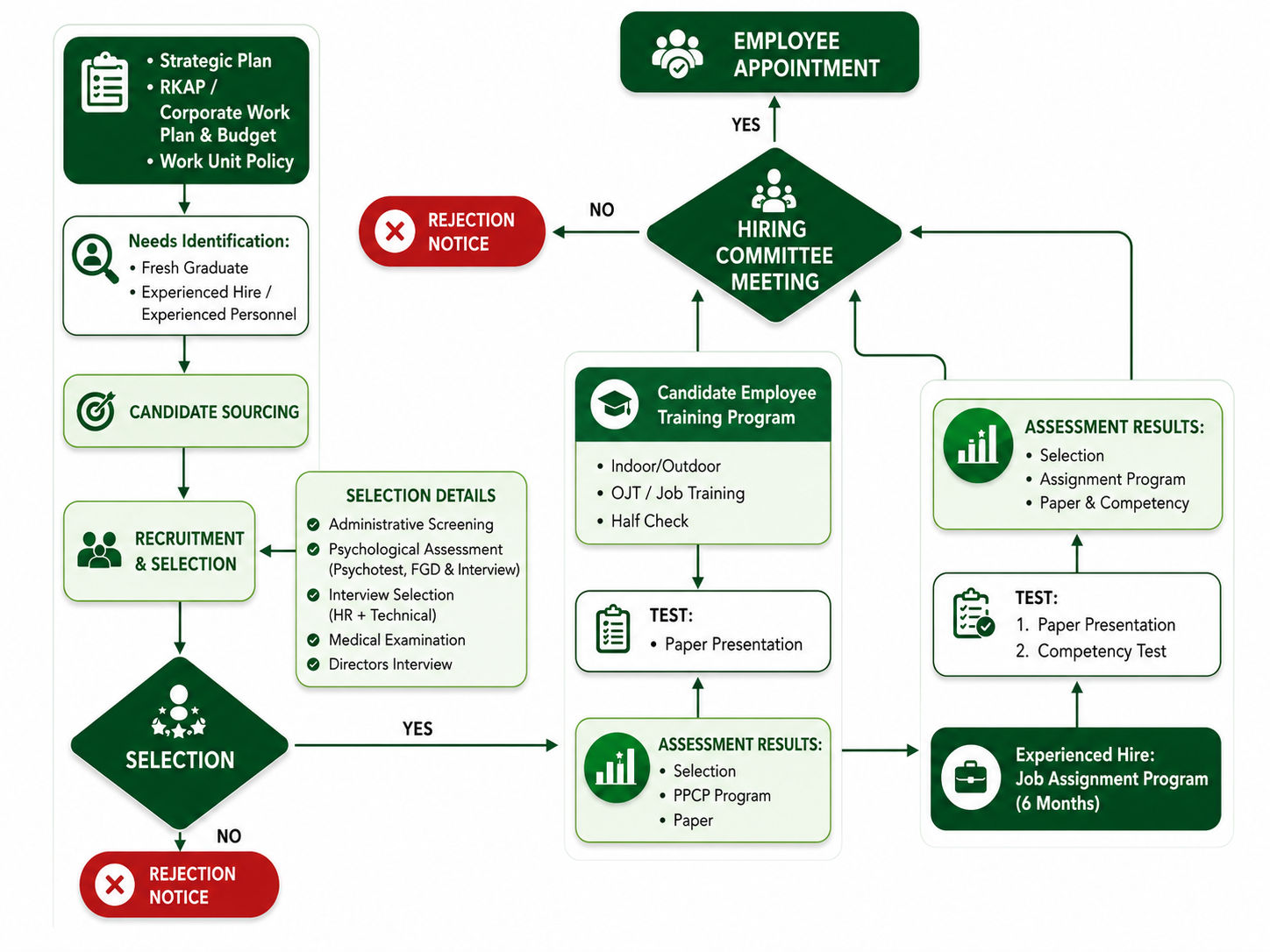
Recruitment Process Flow

WEGE implements a systematic, objective, and accountable employee recruitment and hiring process to support business continuity and operational effectiveness. Workforce planning is based on the Company’s Strategic Plan, Annual Budget Plan (RKAP), Annual Work Plan (RKP), and the needs of individual business units, ensuring that human resource allocation aligns with organizational priorities and project requirements.
The recruitment stages are carried out through a process of needs identification, candidate sourcing, administrative screening, psychological assessment, interviews, medical screening, training programs or job assignments, competency testing, and a hiring committee meeting as the basis for making hiring decisions. The entire process is conducted by prioritizing the principles of transparency, objectivity, accountability, and competency alignment.
Through a structured recruitment mechanism, WEGE ensures that the workforce fulfillment process is not only oriented toward operational needs but also supports the implementation of good corporate governance, talent development, and the creation of a professional and sustainable work environment. This approach is part of the Company’s commitment to building a human capital foundation that is adaptive, competent, and capable of supporting long-term business growth.

// B — RECRUITMENT

Recruitment

Employee Recruitment — 3-Year Recruitment Data
Recruitment 2025 2024 2023
Age Group 18 - 30 0 0 0
31 - 40 0 0 0
41 - 50 0 1 0
>50 0 0 0
Total 0 1 0
Gender Male 0 1 0
Female 0 0 0
Total 0 1 0
Work Area Head Office 0 0 0
Marketing Division 0 0 0
Operation Division 0 0 0
Operation and Modular Division 0 0 0
Operation and Concession Division 0 1 0
Subsidiary 0 0 0
Total 0 1 0
by Type Internal 0 1 0

To ensure business continuity and operational effectiveness, WEGE implements a well-planned, objective, and transparent recruitment process. We ensure that every human capital need is always measured and directly integrated with the Company Work Plan and Budget (RKAP) as well as the Project Work Plan (RKP). Firmly grounded in the principles of Good Corporate Governance (GCG), WEGE guarantees that the entire recruitment process is conducted with full transparency.

// C·01 — CHART

Chart

The turnover rate increased from 5.46% (2024) to 7.08% (2025). This trend was primarily driven by a surge in the number of employees who voluntarily resigned—a figure that more than doubled—rather than retirements. Occurring amid a phase of organizational restructuring and business transformation, this situation has prompted WIKA GEDUNG to strengthen its internal talent retention strategy.

// C·02 — TABLE

Table

Turnover Rate — Breakdown by Category
Turnover 2025 2024 2023
Age Group 18 - 30 10 6 5
31 - 40 11 6 10
41 - 50 6 1 1
>50 7 15 15
Total 34 28 31
Gender Male 30 23 29
Female 4 5 2
Total 34 28 31
Work Area Head Office 12 4 6
Marketing Division 2 0 8
Operation Division 10 1 5
Operation and Modular Division 2 11 3
Operation and Concession Division 5 7 4
Subsidiary 3 5 3
Total 34 28 31
Employee Turnover by Reason Company Decision 3 2 5
Resignation 23 11 10
Passed Away 2 - 1
Normal Retirement 4 15 15
Voluntary Retirement 2 - -
Total 34 28 31
// A·01 — DISTRIBUTION

Distribution

Employee Distribution
460 Total
Distribution by Age & Gender

WIKA’s total workforce of 460 employees, 55 (12%) are women, while 405 (88%) are men. The majority of employees are in the young working-age group between 25 and 45 years old, totaling 381 people (82.8% of the total).

// B·01 — SUMMARY

Summary

Employee diversity is an essential part of strengthening WEGE's productive, inclusive, and sustainable work culture. Demographic data management based on age, employment status, and position level is used by the Company to ensure equal opportunities for every WEGE employee to grow and contribute according to their competencies and the organisation's needs.

Age, Employment Status, Position Level — Summary by Category
Description 2025 2024 2023
Employees by Gender Male 405 440 460
Female 55 60 65
Employees by Position Level Director 5 5 5
Manager 81 80 82
Supervisor 183 261 214
Staff 191 154 224
Employees by Age <25 0 0 -
25-35 220 257 283
35-45 161 162 160
46-55 78 80 76
>55 1 1 6
Employees by Education S2 57 46 47
S1 356 399 418
D3 42 52 57
SMA 3 3 3
Employees by Region Head Office 353 243 233
Project 107 257 292
// B·02 — POSITION LEVEL

Position Level

Age, Employment Status, Position Level — Position Level Breakdown by Gender
Position Level 2025 2024 2023
Male Female Male Female Male Female
Total (%) Total (%) Total (%) Total (%) Total (%) Total (%)
Entry-level 174 38 17 4 133 27 21 4 196 37 28 5
Mid-level 155 34 28 6 230 46 31 6 184 35 30 6
Senior-level 71 15 10 2 72 14 8 2 75 14 7 1
Executive-level 5 1 0 0 5 1 0 0 5 1 0 0
Total 405 88 55 12 440 88 60 12 460 88 65 12
Revenue-Generating Function 259 64 14 25 - - - - - - - -
STEM Function 323 80 36 65 - - - - - - - -
// C·01 — RELIGION

Religion

Religion — Employee Distribution
Religion Total Percentage (%)
Islam 437 95
Protestant Christian 16 3.5
Catholic Christian 6 1.3
Hindu 1 0.2
Total 460 100
// D·01 — COMMITMENT

Commitment

WEGE is committed to creating an inclusive, fair, and mutually respectful work environment by providing equal opportunities for all employees to grow and contribute optimally. This commitment is applied across all employment processes — from recruitment, placement, career development, and performance appraisal to the termination of employment — without distinction of gender, ethnicity, religion, race, social status, political views, physical condition, or other backgrounds.

Main Principles

  • Equal opportunity for all employees
  • Free from discrimination across all employment processes
  • Inclusive, fair, and mutually respectful work environment

Commitment Foundation

  • Manpower Law and Job Creation Law
  • Law No. 21 of 1999 ratifying ILO Convention No. 111
  • Guidelines on Equality and Non-Discrimination in the Workplace from the Ministry of Manpower

Fair Employment Practices

  • Measured working-hours arrangements
  • Prevention of excessive overtime
  • Fulfillment of paid leave rights, including annual and sick leave
  • Supporting well-being and work-life balance

Respectful Workplace Policy (RWP)

  • Free from discrimination, harassment, bullying, and violence
  • Encouraging reporting through official company channels
  • Consistent sanctions for violations
  • Protection for good-faith whistleblowers
// A·01 — PERFORMANCE MANAGEMENT

Performance Management

WEGE applies a Performance Management System (PMS) as a framework to assess, improve, and align employee performance with corporate objectives. The system is implemented in a tiered manner through a cascading performance system, from Corporate KPIs and Work Unit KPIs to Individual Work Programs/Individual KPIs. Through this mechanism, every work target can be cascaded clearly, measurably, and interconnectedly across the corporate, work-unit, and individual levels.

01 Corporate Performance

Corporate Performance

Corporate performance is set through Corporate KPIs formulated based on shareholder aspirations. KPIs become the main direction for determining the company's annual strategic targets and serve as the basis for all work units in setting targets that support the achievement of corporate performance.

02 Division Performance

Division Performance

Work Unit KPIs are work targets cascaded from Corporate KPIs and set by the Board of Directors. These KPIs consist of mandatory KPIs as well as specific KPIs aligned with each work unit's objectives.

03 Individual Performance

Individual Performance

Individual Work Programs/Individual KPIs are prepared by employees together with their direct supervisors to support Work Unit KPIs and other tasks that support the company. The program consists of 7-15 initiatives, each weighted 5%-35%.

// A·01 — COMPETENCY

Competency

WEGE is committed to enhancing employee competencies through development programs that are planned, measurable, and aligned with business needs and the dynamics of the construction industry. In 2025, the average training hours reached 26.45 hours per employee, with 1,055 employees or 93% of staff participating in training programs. The average training duration was recorded at 23.56 hours for male employees and 20.62 hours for female employees.

Through leadership programs, digital training, collaboration-based learning, and the strengthening of Diversity, Equity & Inclusion (DEI) principles, WEGE fosters an adaptive, inclusive, and sustainable learning culture. This approach is part of the company strategy to strengthen employee capacity, prepare future talent, and support long-term productivity and competitiveness.

Leadership Development Program

WEGE develops tiered leadership programs to prepare talent that is competent, has integrity, and is ready to face future business needs. The program supports leadership continuity and the strengthening of managerial capacity at every level of the organization.

Digital Training Program

WEGE encourages the improvement of digital competencies through training and access to online learning, including LinkedIn Learning and Wikademy. This program supports digital transformation, technology utilization, and employee readiness in facing changes in the way of working.

Collaboration-Based Learning

WEGE strengthens its learning culture through knowledge sharing, internal learning forums, cross-unit discussions, and Communities of Practice. This approach encourages the exchange of knowledge, experience, and best practices to improve collective capabilities.

Diversity, Equity & Inclusion (DEI) Program

WEGE applies the principles of equality and non-discrimination in the work environment to create an inclusive, fair, and mutually respectful culture. This program supports equal opportunities for all employees to grow and contribute optimally.

// B·01 — PLATFORM

Platform

WEGE develops employee competencies through mandatory and optional training programs tailored to job levels, individual needs, and the results of the Training Need Analysis (TNA) from each work unit. The program is designed in a measurable way, taking into account objectives, targets, budget, and implementation timeframe so that employee development aligns with business priorities and organizational needs.

To support flexible and sustainable learning, WEGE leverages digital platforms such as LinkedIn Learning and Wikademy, the learning platform within the WIKA Group. Through these platforms, employees can more easily access digital, professional, leadership, and functional-skills development materials.

Employee development is carried out through various methods, including learning, coaching, mentoring, assignment, internship, short courses, skills assessment, external certification, and further education. This approach strengthens a learning culture that is adaptive, measurable, and relevant to the company needs.

// 9 DEVELOPMENT METHODS
  • Learning
  • Coaching
  • Mentoring
  • Assignment
  • Internship
  • Short Course
  • Skills Assessment
  • External Certification
  • Further Education
// C·01 — EFFECTIVENESS

Effectiveness

WEGE develops employee learning programs that refer to the integrated training system at the corporate level, while also being tailored to business needs, job competencies, and internal development priorities. Through this approach, training is not only a learning activity but also part of the company strategy to strengthen employee capacity, talent readiness, and organizational competitiveness.

Training effectiveness is measured continuously through participant satisfaction levels, changes in work behavior, supervisor assessments, and the suitability of materials to work-unit needs. This measurement helps WEGE ensure that every development program delivers a real impact on improving employee competence, productivity, and contribution in supporting the achievement of corporate targets.

The results of training evaluations are used as the basis for refining materials, learning methods, and subsequent development plans. In this way, WEGE encourages the creation of a learning culture that is adaptive, measurable, and relevant to the future needs of the organization.

WEGE ensures that every development program remains relevant, measurable, and impactful for enhancing employee capacity and the sustainability of corporate performance.

// A·01 — LIVING WAGE

Living Wage

WEGE reaffirms its commitment to upholding the principles of fairness and equality in its compensation system for all employees. The Company ensures that every employee receives wages, benefits, and compensation in a fair and transparent manner, free from any form of discrimination. There is no disparity in base salary or compensation between female and male employees across all of the Company’s operational regions.

Furthermore, WEGE guarantees that the minimum wage for employees remains at a level that is always above the DKI Jakarta Provincial Minimum Wage (UMP), in accordance with applicable laws and regulations. This policy is based on the Decree of the Minister of Manpower and Transmigration No. 226 of 2000 regarding amendments to several articles in Minister of Manpower Regulation No. PER-01/MEN/1999 concerning the Minimum Wage.

The implementation of this policy reflects the Company’s compliance with labor regulations as well as its commitment to creating a fair and prosperous work environment.

Living Wage Commitment — Fair & Equal Remuneration
Business Unit Province Minimum Wage Entry-Level Salary Percentage
WEGE DKI Jakarta 5.396.761 8.086.000 149,83%
// B·01 — EQUALITY

Equality

WEGE implements a fair, transparent, competitive, and non-discriminatory compensation system for all employees. Compensation is determined based on job responsibilities, competencies, job risks, and performance contributions, without regard to gender. The company also ensures that the minimum wage for its lowest-paid employees remains above the Jakarta Provincial Minimum Wage (UMP DKI Jakarta), with a ratio of 149.83% by 2025.

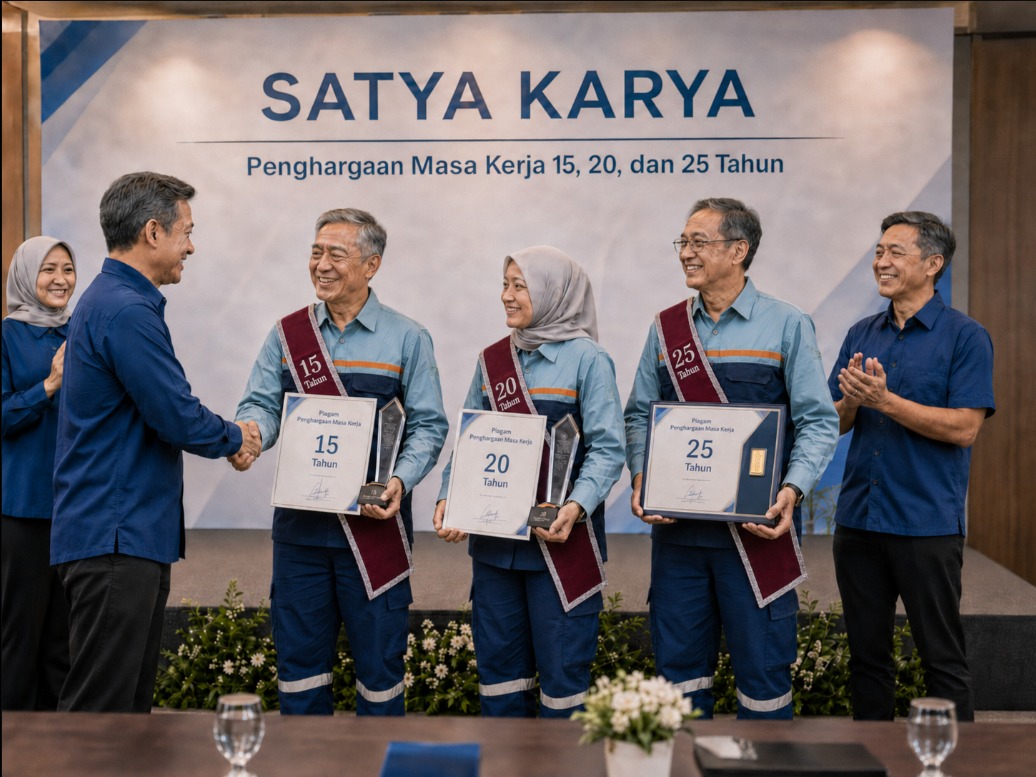
In addition to base pay, WEGE provides various allowances and benefits for both permanent and contract employees, including position allowances, year-end bonuses, leave, insurance, health services, retirement planning, bonuses, stock ownership, maternity leave, and performance recognition programs. Through this policy, WEGE strengthens its commitment to equality, well-being, and an inclusive work environment.

Workplace Equality — Pay & Remuneration
Types of Allowances Permanent Employees Contract Employees
Position Allowance
Religious Holiday Allowance
Vacation Pay
Life Insurance
Health Care
People with Disabilities
Preparing for Retirement
Stoke Ownership
Bonus
Maternity Leave
Achievement Recognition Program
Workplace Equality — Pay & Remuneration
Description Gender 2025 2024 2023
Number of Employees Eligible For Maternity Leave Male 405 440 460
Female 55 60 65
Number of Employees Taking Maternity Leave Male 24 0 7
Female 2 2 2
Number of Employees Who Returned to Work During The Reporting Period After Their Maternity Leave Ended Male 24 0 7
Female 2 2 0
Percentage of Employees Who Take Maternity Leave And Return To Work Male 100% 100% 100%
Female 100% 100% 100%
// C·01 — FACILITIES

Facilities

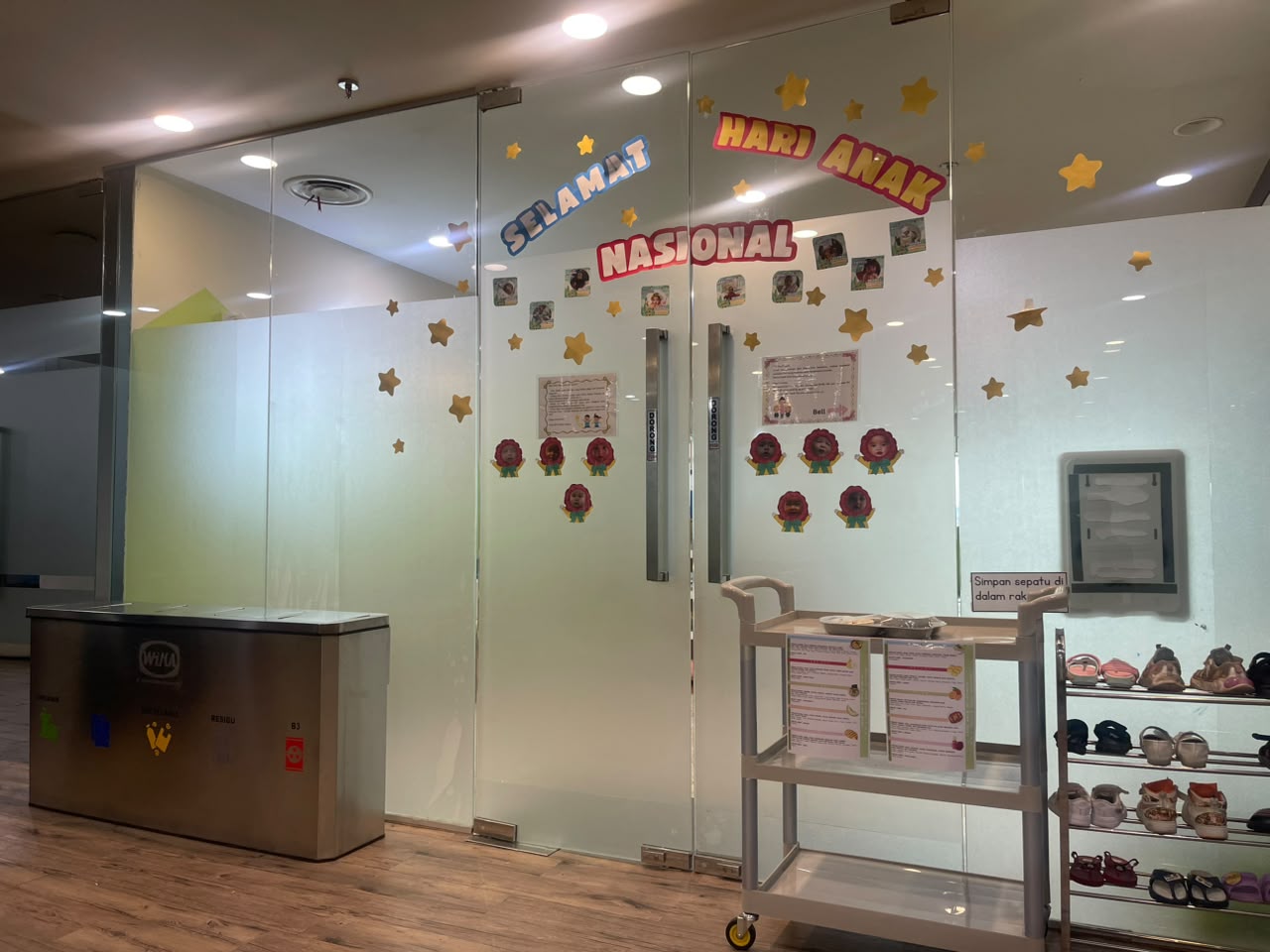
Daycare

Daycare

WEGE supports the use of child-care facilities available through the WIKA Holding network as part of its efforts to create a family-friendly workplace. This support helps employees maintain a balance between their professional responsibilities and their family roles.

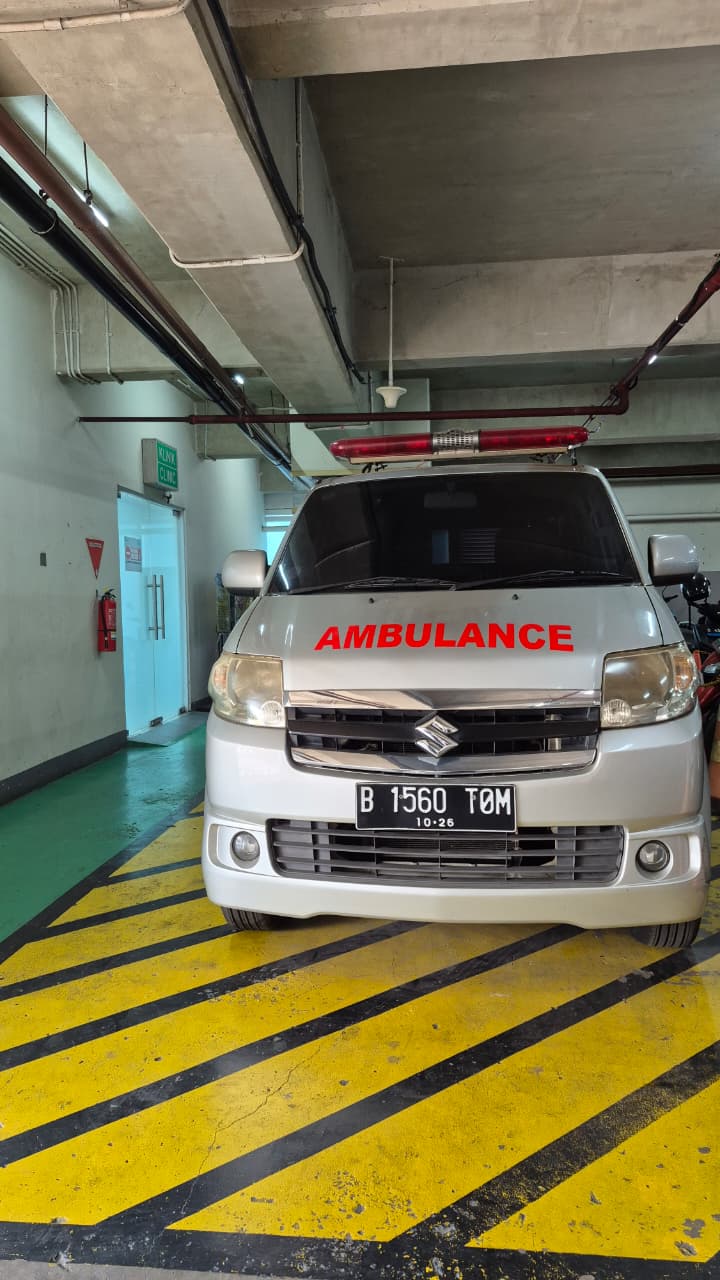
Health Clinic

Health Clinic

WEGE supports access to basic healthcare services for employees through healthcare facilities within the WIKA Holding group, as part of its commitment to creating a healthy, responsive workplace that cares about the well-being of its workers.

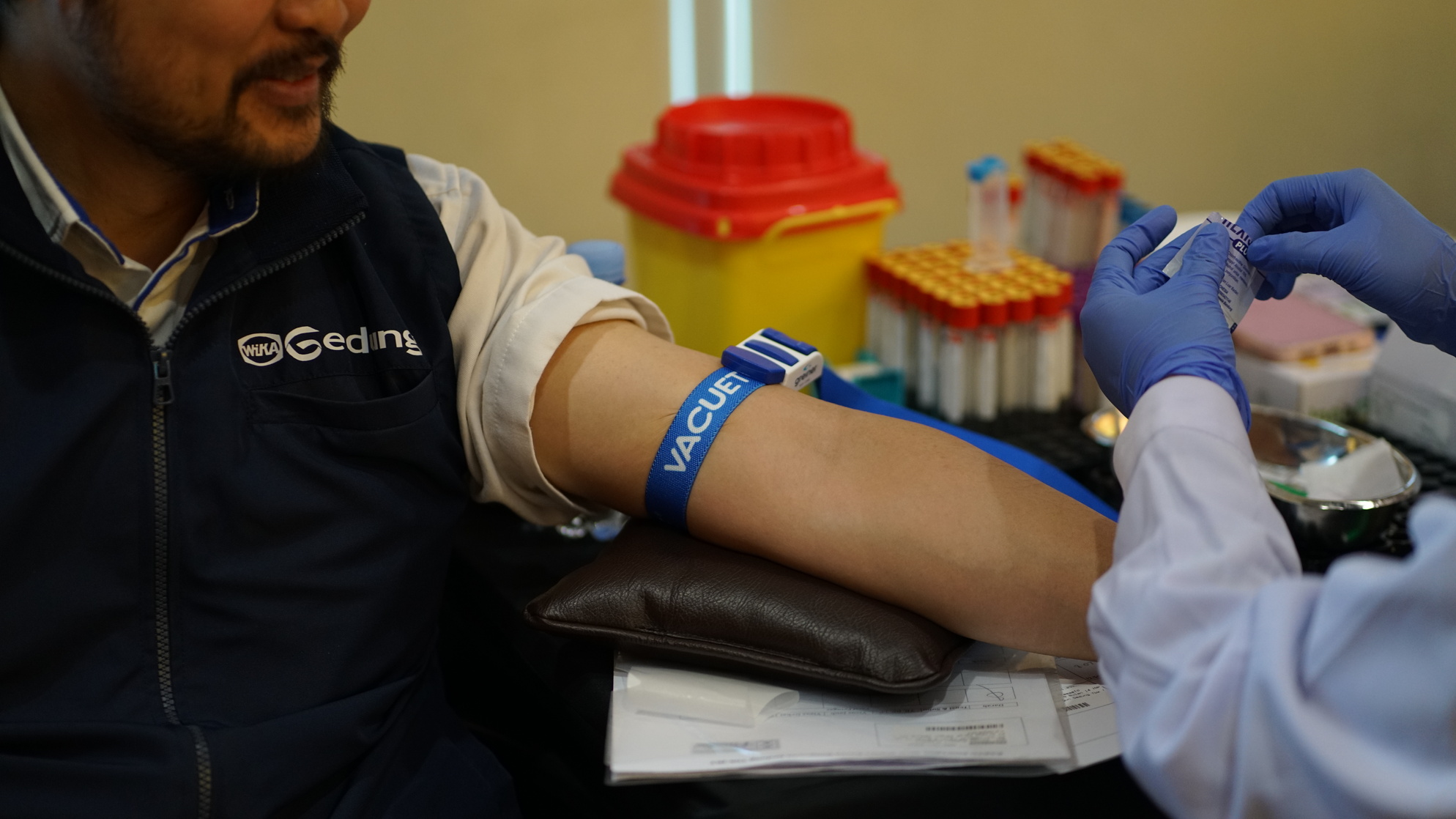
Medical Check-Up

Medical Check-Up

WEGE conducts periodic health examinations, or Medical Check-Ups (MCUs), for prospective employees and current employees in accordance with company policies. These examinations may include general, specialized, or specific MCUs based on job risks and employees’ health needs.

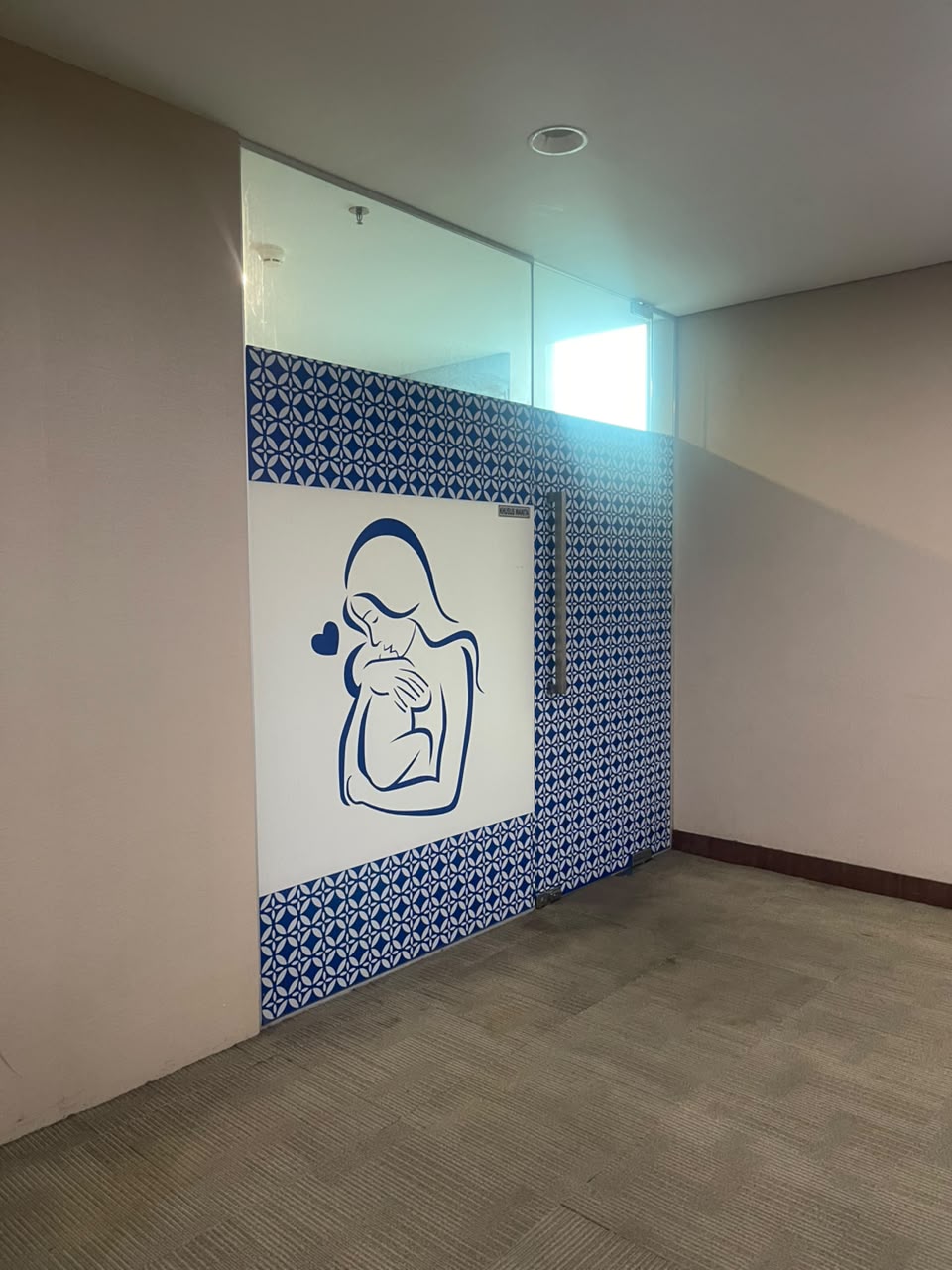
Lactation Room

Lactation Room

WEGE supports the use of lactation rooms available within the WIKA Holding environment as a way to support female employees, particularly nursing mothers. These facilities help create a more inclusive, comfortable, and family-friendly work environment.

Additional Insurance

Additional Insurance

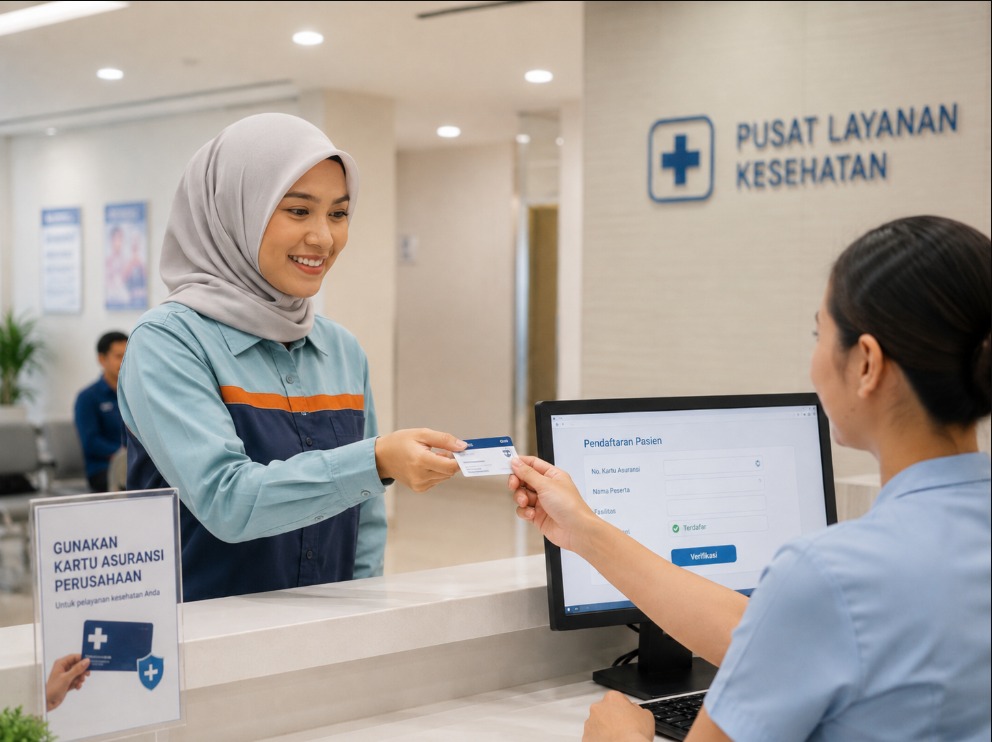
In addition to coverage through BPJS Kesehatan and BPJS Ketenagakerjaan, WEGE provides supplemental health coverage in accordance with company policies. This support enhances employees’ access to healthcare services and welfare benefits.

Further Education Program

Further Education Program

WEGE offers selected employees the opportunity to pursue further education in line with the organization’s needs. This program aims to strengthen strategic competencies and support the company’s talent readiness for the future.

Study Leave Support

Study Leave Support

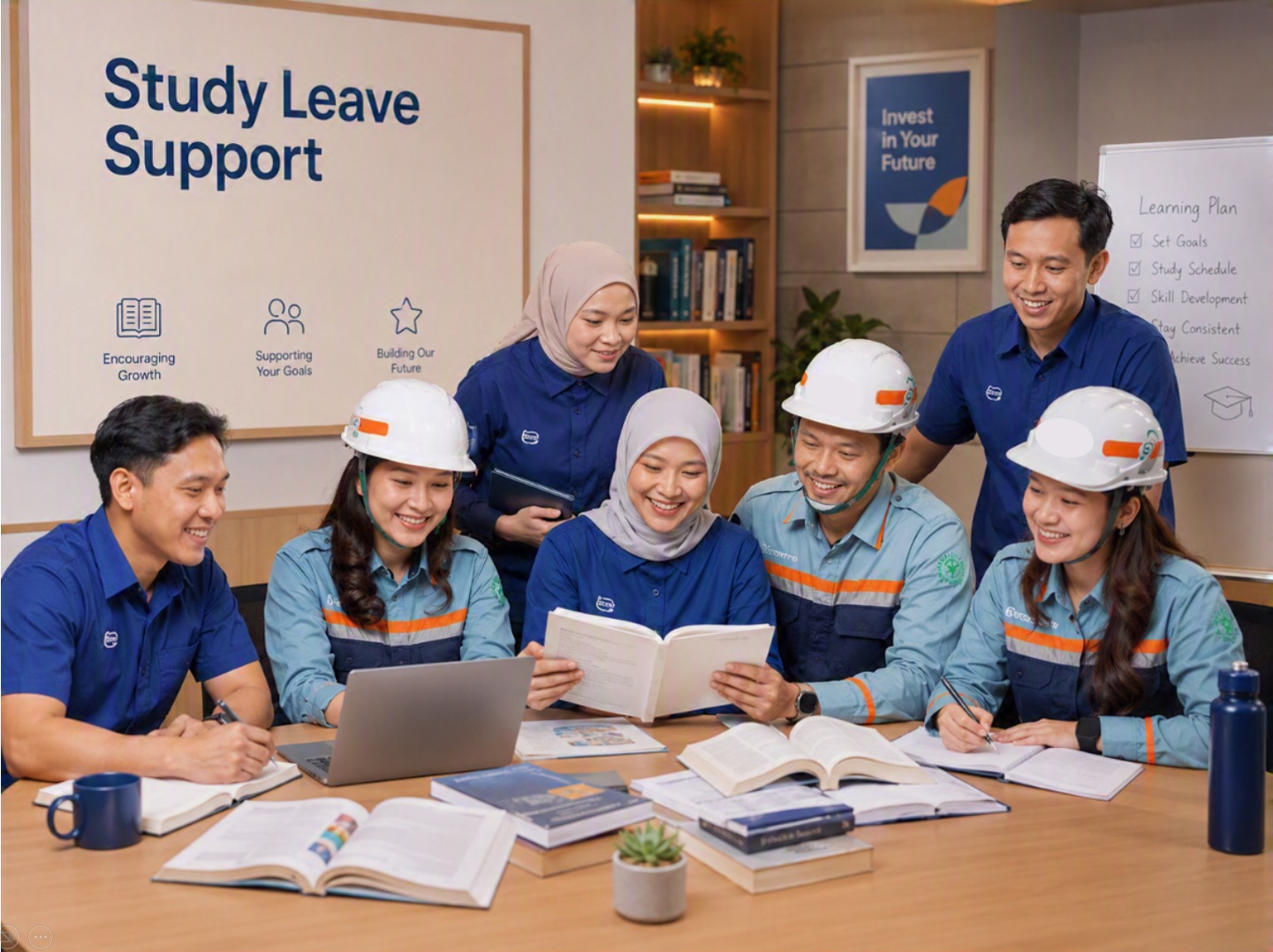
WEGE provides support to employees who pursue further education on their own through a study leave program in accordance with company policies. This support is part of our efforts to develop employees’ competencies and enhance their capabilities.

Internship

Internship

WEGE supports the development of young talent through an internship program as part of an effort to introduce participants to the professional world and strengthen the talent pipeline. This program provides a practical learning environment for students and recent graduates to gain an understanding of the needs of the construction industry.

Employee Wellbeing Services

Employee Wellbeing Services

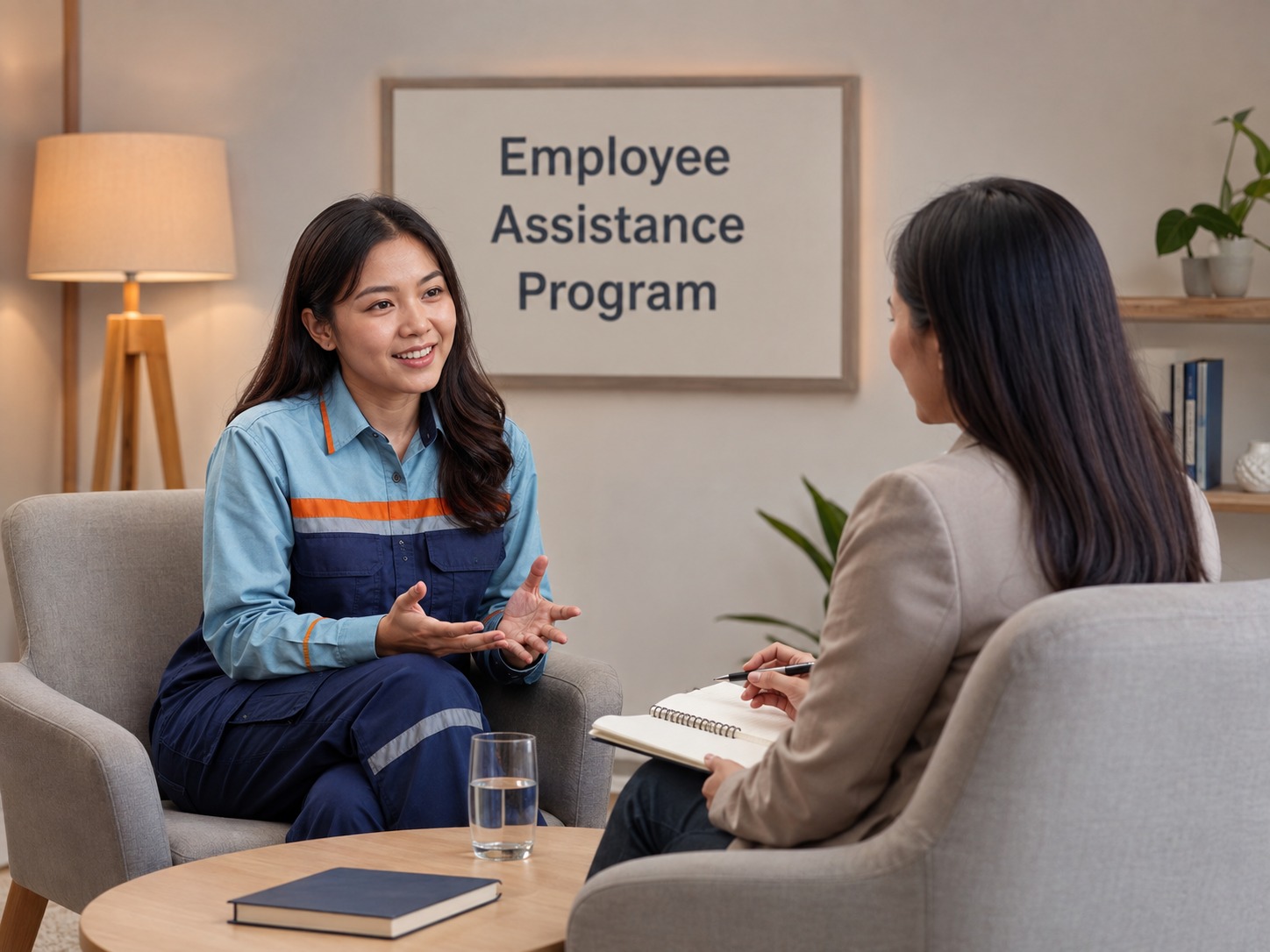
WEGE runs a well-being program to support employees’ physical and mental health and work-life balance. The program includes stress management support, health education, mental wellness coaching, and initiatives that foster a supportive work environment.

Sports and Hobby Activities

Sports and Hobby Activities

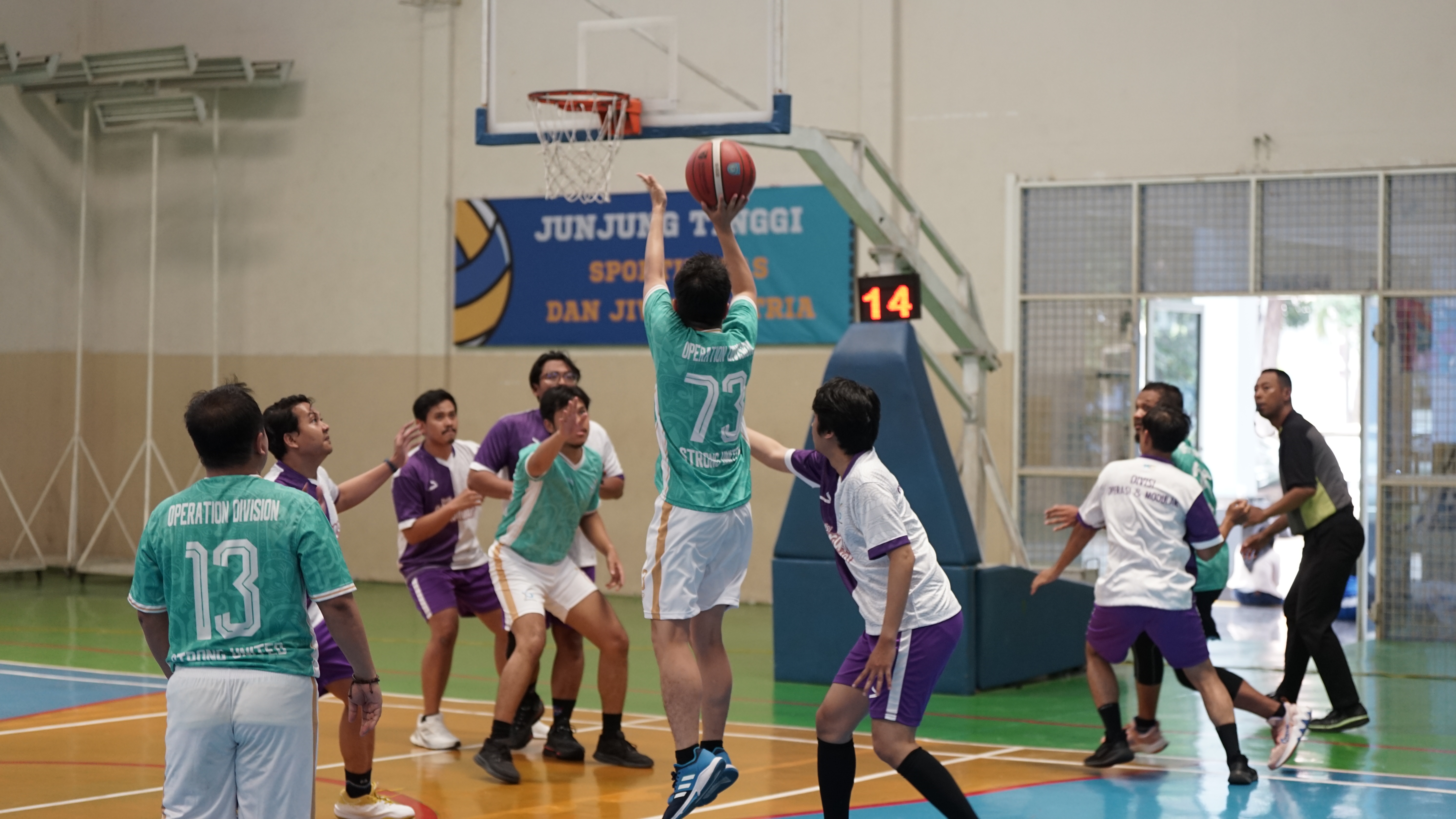
WEGE promotes a healthy lifestyle through sports, recreational activities, gatherings, and hobby groups tailored to the capabilities and needs of each work unit. This program supports employees’ physical fitness, camaraderie, and work-life balance.6

Recharge Corner

Recharge Corner

WEGE provides rest corners across several work areas as dedicated spaces for employees to take short breaks and recharge between activities. These facilities support employee comfort, well-being, and productivity.

// D·01 — WELLBEING

Wellbeing

WEGE places employee well-being as an important part of building a healthy, safe, inclusive, and productive work environment. This commitment is reflected through various well-being programs, health services, supporting facilities, and initiatives that help employees maintain a balance between work, personal health, and family responsibilities.

As part of its support for physical and mental health, WEGE provides an Employee Assistance Program (EAP) as a support service for employees facing personal or professional challenges, including work-related stress, family issues, and mental health concerns. This program is strengthened through psychological support, mental development activities, health education sessions, and internal campaigns to foster a more supportive and caring work environment.

The company also provides regular health services and sports activities to encourage a healthy lifestyle and improve employee fitness. In addition, WEGE offers family benefits, including maternity leave for female employees, paternity leave for employees whose spouses give birth, and leave to accompany sick family members.

To support employees in balancing their professional and family roles, WEGE provides supporting facilities such as adequate lactation rooms and other workplace facilities. Through these initiatives, WEGE strives to create a caring, balanced, and sustainable work ecosystem, enabling employees to perform optimally while maintaining their own well-being and that of their families.

// A·01 — HUMAN RIGHT POLICY

Human Right Policy

Commitment

WEGE is committed to upholding human rights in a fair and transparent manner by ensuring that employees’ rights are protected under the Collective Labor Agreement (CLA) and by fostering an inclusive work environment.

Policy Documents Document count: 3
// B·01 — SEKAR WEGE

SEKAR WEGE

SEKAR WIKA Gedung serves as an employee representative body of PT Wijaya Karya Bangunan Gedung Tbk, playing a role in fostering harmonious, open, and constructive industrial relations between employees and the company. Through SEKAR, employee aspirations can be communicated in a more structured manner, enabling communication, collaboration, and the resolution of employment-related matters to run effectively in accordance with the principles of fairness, compliance, and sustainable corporate governance.

As part of its commitment to healthy employment relations, SEKAR WIKA Gedung also supports the creation of a conducive work environment through dialogue, coordination, and an active role in bridging the interests of employees and the company. This role is important in maintaining a balance between the fulfillment of employee rights, business continuity, and the achievement of the company’s long-term organizational objectives.

In 2024, SEKAR WIKA Gedung held a National Conference as an organizational forum to establish the management structure for the 2024–2026 period. The management structure consists of the Central Executive Board and Branch Executive Boards representing the Head Office, project areas, concessions, and modular business units, ensuring that employee representation reaches various work units and operational areas of the company. 100% of WEGE employees are included in the SEKAR WIKA Gedung.

To strengthen transparency and representation in industrial relations, the management structure of SEKAR WIKA Gedung for the 2024–2026 period is presented in a structured manner through the Central Executive Board and Branch Executive Boards. This structure reflects the role of each representative in supporting coordination, communication, and the channeling of employee aspirations across the company’s various work areas.

// C·01 — HUMAN RIGHTS MANAGEMENT

Human Rights Management

Human Rights Management

WEGE is committed to upholding human rights in all its operations by ensuring that the fundamental rights of every individual are respected and protected through Collective Bargaining Agreements (CBAs). The company actively prevents all forms of discrimination and harassment, and is committed to developing phased human rights mitigation and remediation measures to address potential risks in the workplace.

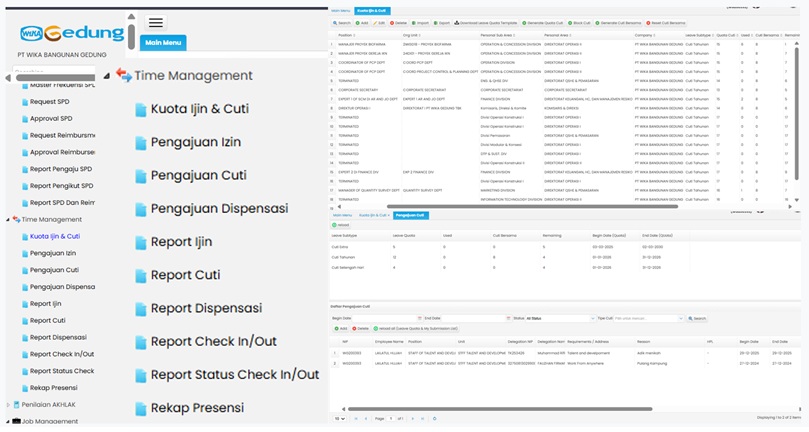
The company is currently continuing to strengthen its human rights management framework and is preparing to develop a structured due diligence mechanism to evaluate human rights protections in line with responsible business practices, as reflected in the following report.

// D·01 — GRIEVANCE

Grievance

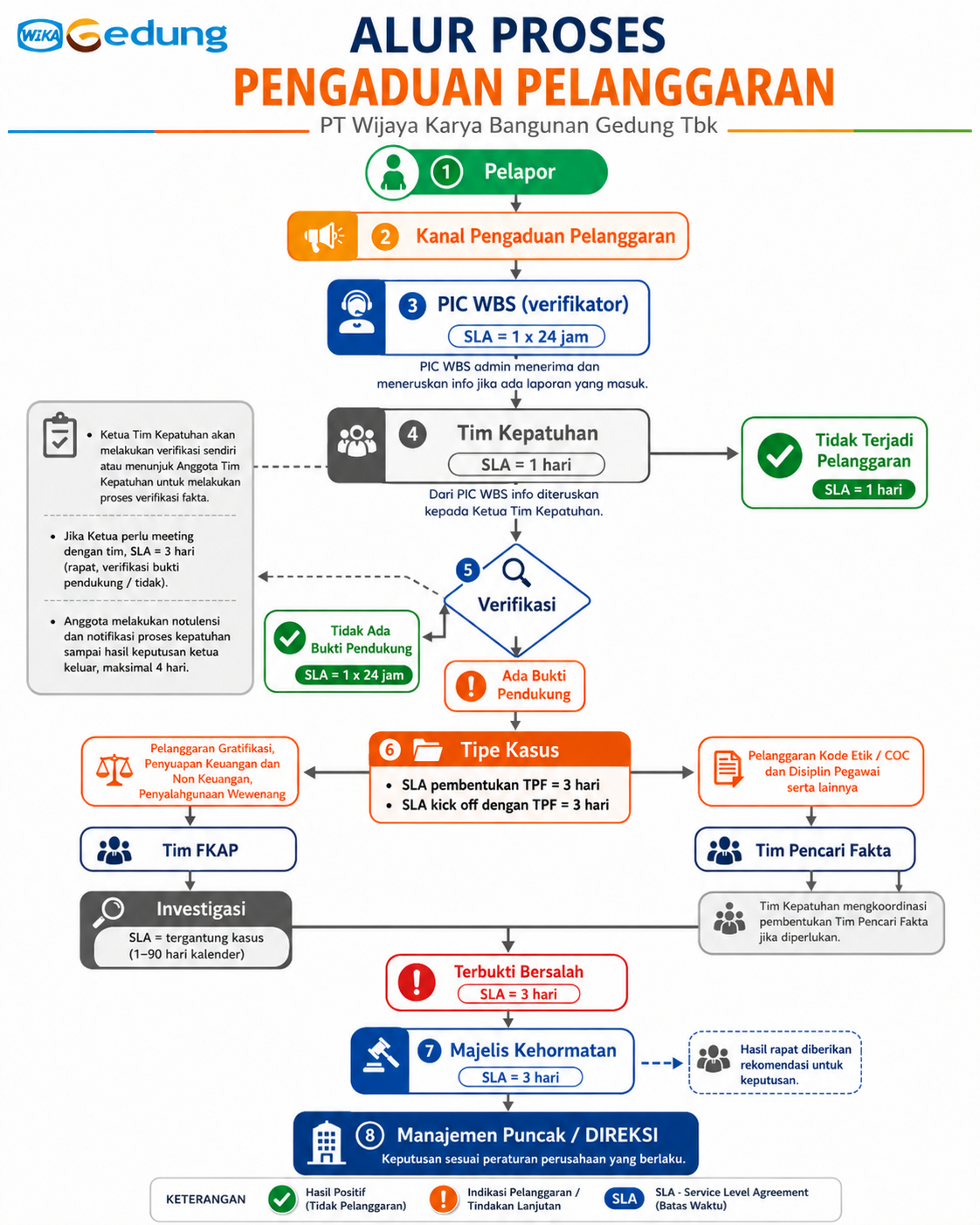
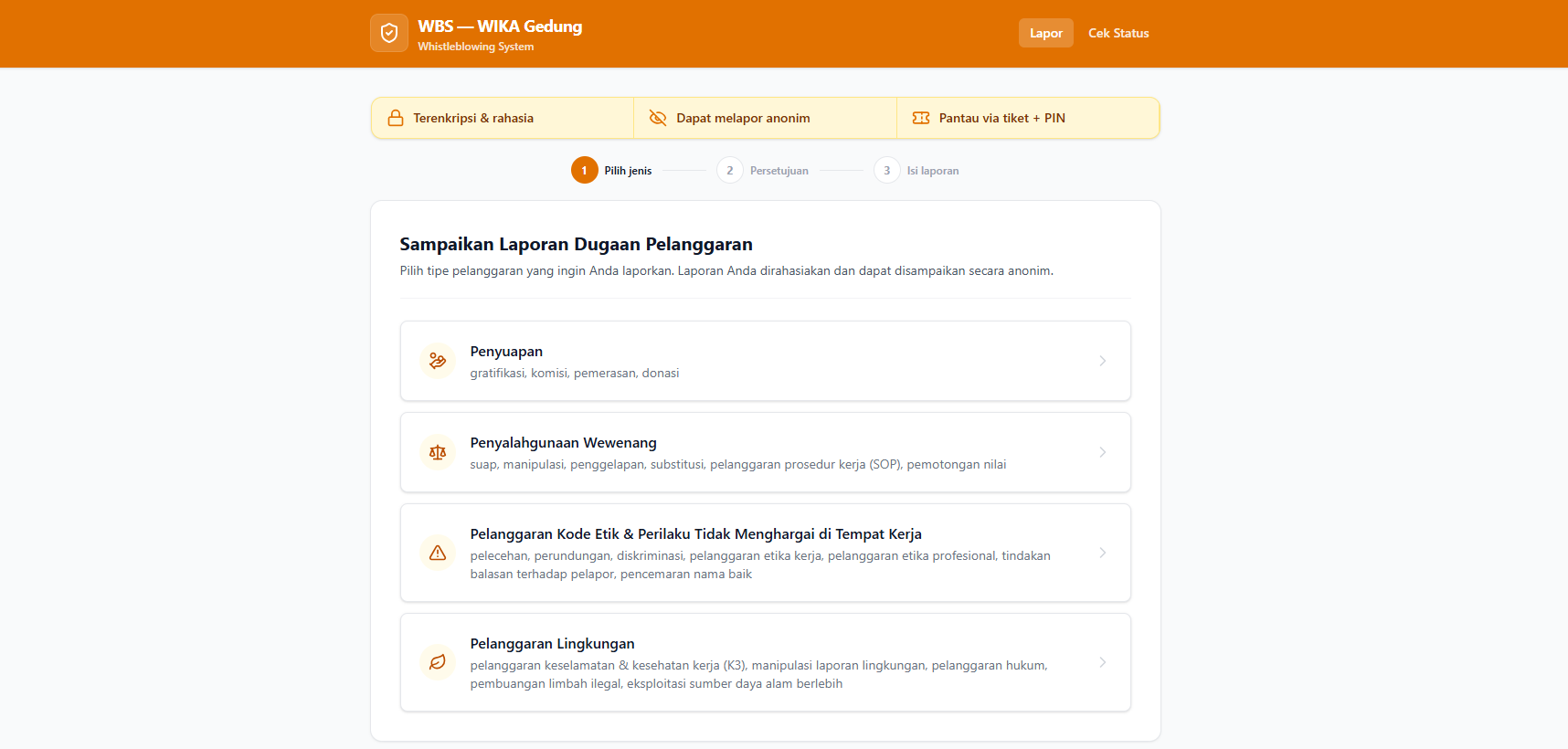
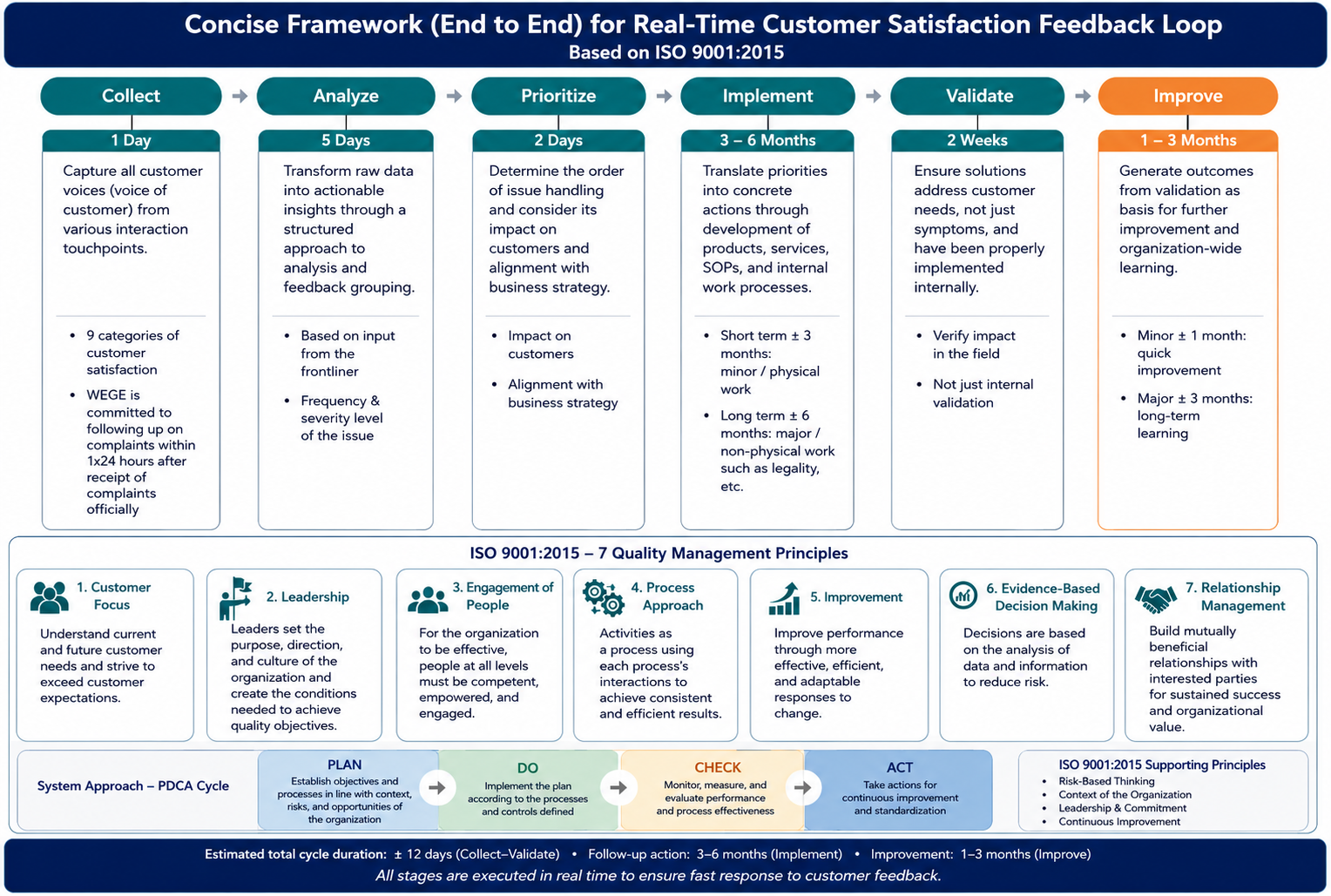
WEGE provides an open and easily accessible complaint mechanism for customers and stakeholders to submit complaints, feedback, or reports of alleged violations related to the company’s services. Every report is handled objectively and accountably through a proper process of verification, follow-up, and resolution, while maintaining the confidentiality of the reporter. This commitment is part of WEGE’s efforts to strengthen service quality, trust, and stakeholder satisfaction.

The complaint handling process is conducted in a structured manner, beginning with the receipt of a report by the WBS Point of Contact (PIC) with an SLA of 1x24 hours, followed by review by the Compliance Team and initial verification by each, with an SLA of 1 day. If supporting evidence is available, the report will be classified based on the type of case and forwarded to the investigation process with an SLA of 1–90 calendar days, the results are then processed through key conclusions, the Ethics Council, recommendations, and ultimately a decision by Senior Management/the Board of Directors, with a follow-up SLA of 3 days for each step.

// A·01 — OHS POLICY

OHS Policy

WEGE places Occupational Health, Safety, and Environment (OHSE) as a key priority in creating a decent, safe, healthy, and productive work environment. The implementation of K3L is carried out comprehensively across all business lines, including at the corporate, division, and project levels, and applies to employees, project workers, contractors, subcontractors, suppliers, and other parties involved in WEGE’s business activities.

WEGE’s OHSE implementation refers to relevant national regulations and international standards, including the Construction Safety Management System, the Occupational Health and Safety Management System in accordance with Government Regulation No. 50 of 2012, ISO 45001:2018 on Occupational Health and Safety Management Systems, ISO 14001:2015 on Environmental Management Systems, and ISO 50001:2018 on Energy Management Systems. This commitment is further strengthened through internal policies and procedures, including the OHS Policy, Stop Work Authority, SMK3L guidelines, high-risk work permit procedures, SHE Plan, PPE standards, working-at-height safety, electrical installation safety, and the safe operation of lifting equipment and tower cranes.

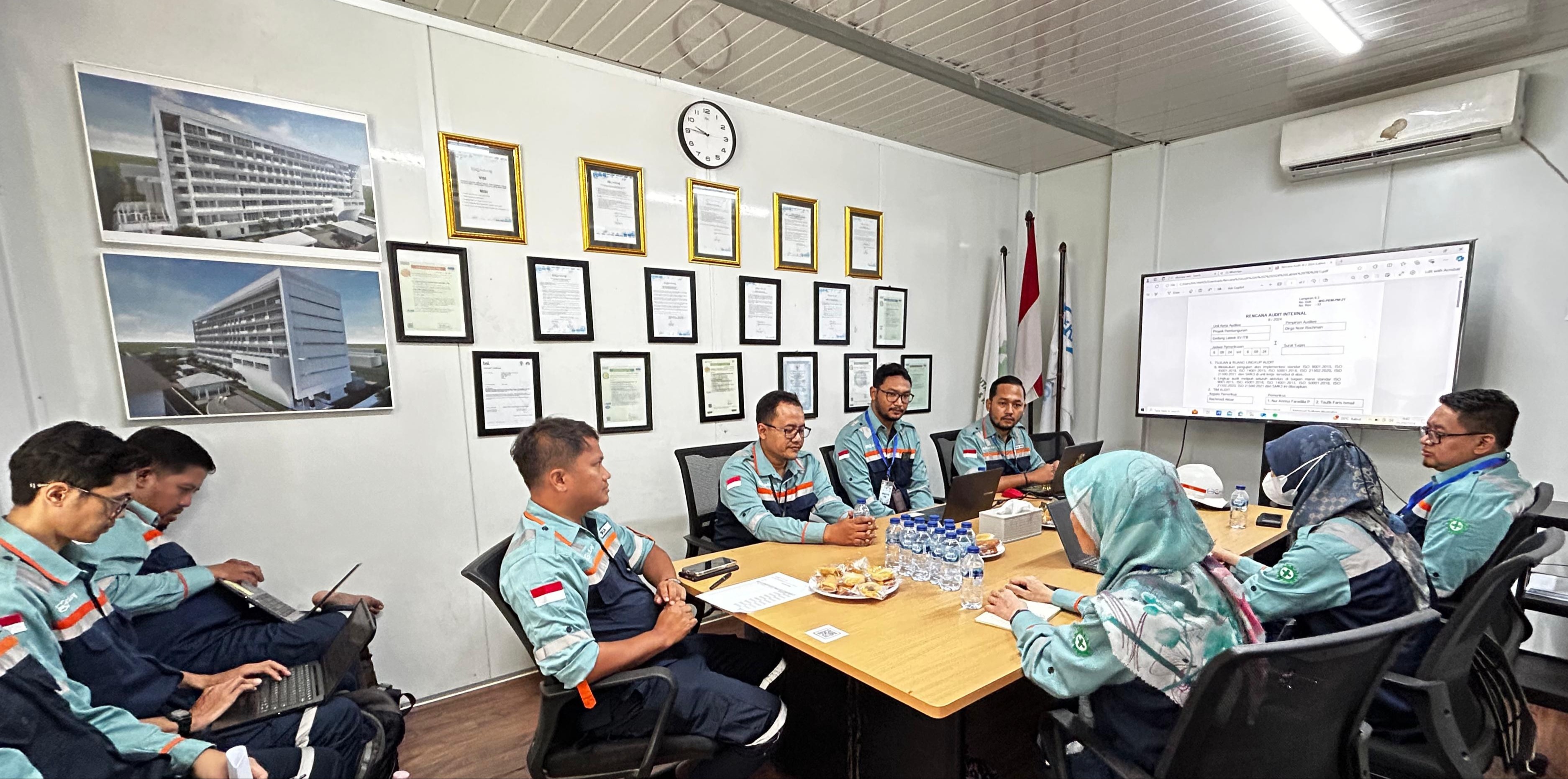
K3L management is implemented through a tiered structure involving the Quality, Safety, Health and Environment Division at the corporate level, the QSHE function at the division level, and the Safety, Health & Environment function at the project level. WEGE also conducts regular monitoring and evaluation through internal audits, QSHE Kick-Off Meetings, QSHE clinics, QSHE monitoring, QSHE Patrol, and QSHE Coordination Meetings.

Through a structured and sustainable OHSE system, WEGE encourages the active involvement of all employees and business partners in achieving zero work accidents, preventing occupational diseases, reducing fire risks, and maintaining compliance with applicable laws and regulations. This commitment forms part of WEGE’s efforts to build a safe, healthy, compliant, and sustainable work culture that supports the continuity of the company’s operations.

// B·01 — OHS PROGRAM

OHS Program

WEGE prioritizes Occupational Safety, Health, and Environmental Protection (K3L) in all its operational activities. Through the implementation of a structured K3 management system, the company strives to create a safe, healthy, productive, and sustainable work environment for all workers, including employees, contract workers, outsourced personnel, and other stakeholders in the workplace.

01 OHS Practices

OHS Practices

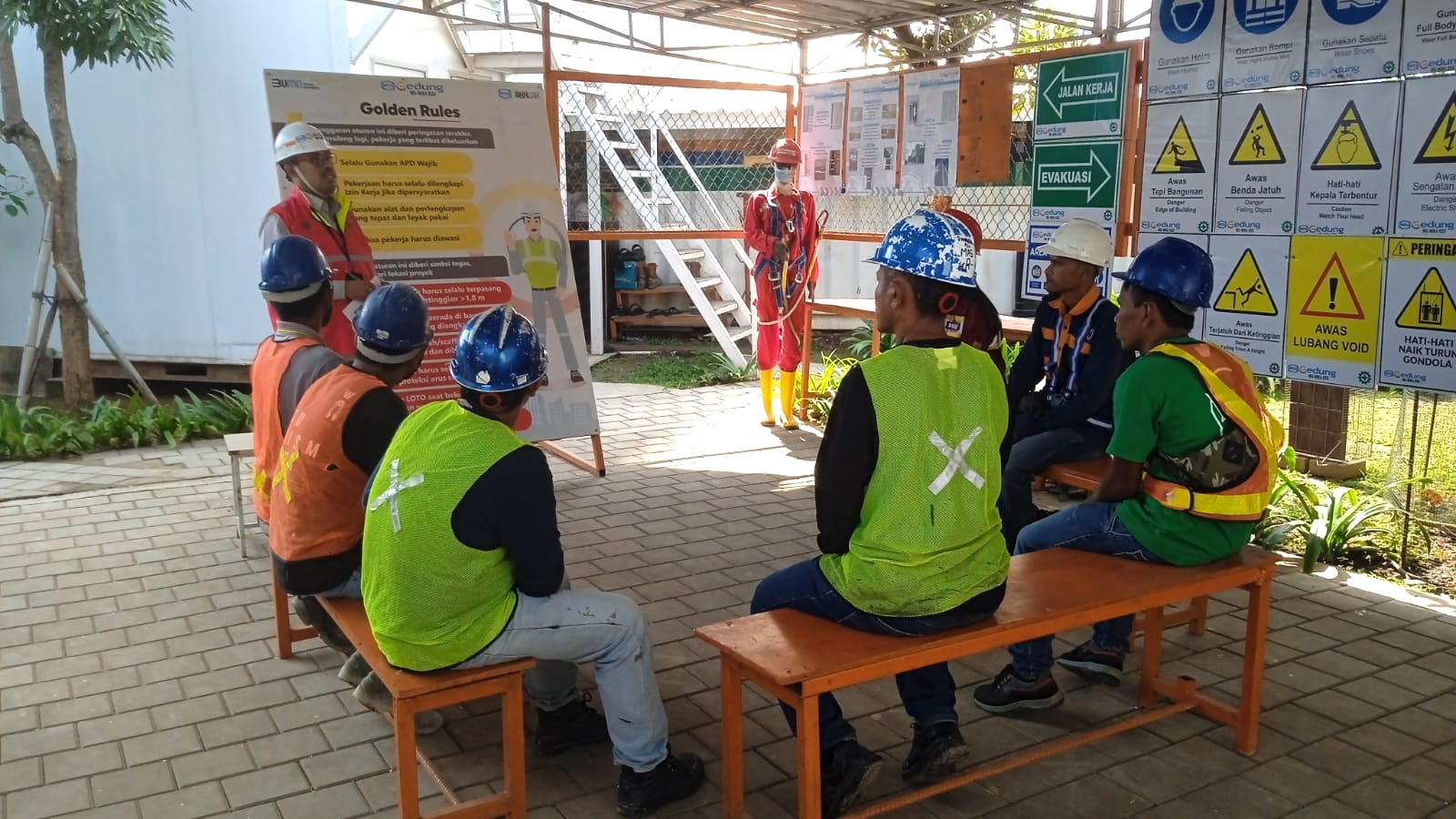
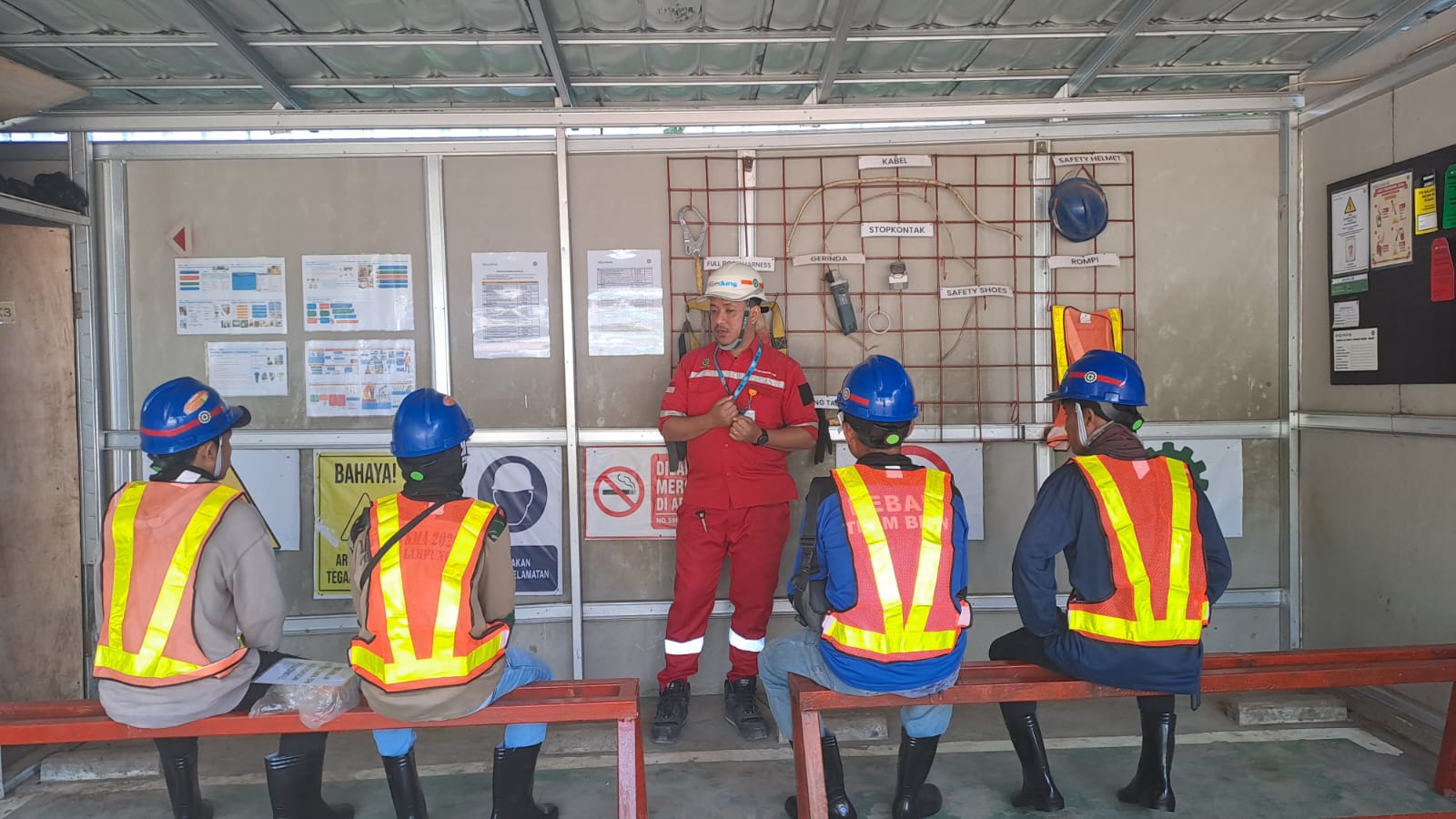
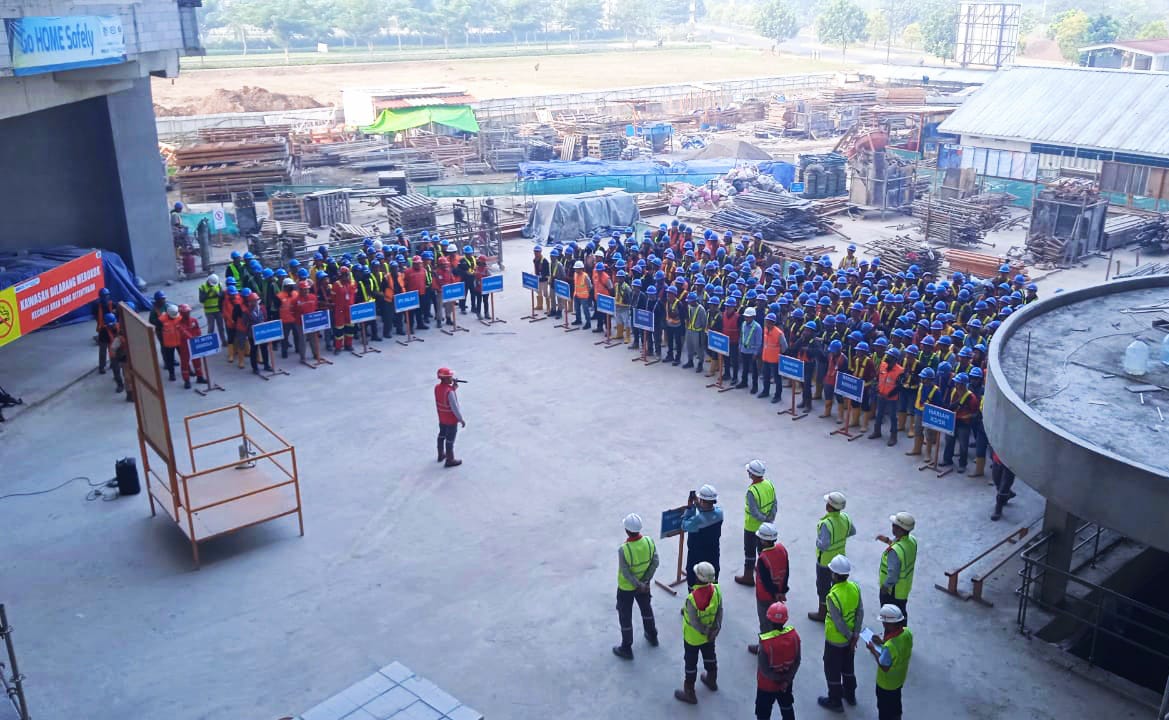
WEGE implements integrated OHS practices through safety communication, employee participation, hazard reporting, and the promotion of a safe work culture across all operational areas. Forums such as the QHSE Patrol, QHSE Induction, SHE Morning Talk, Toolbox Meeting, and QSHE Training serve as platforms to enhance employees’ understanding of workplace risks and preventive measures. In 2025, WEGE recorded 0 fatal accidents and 0 cases of work-related illnesses, reflecting the company’s commitment to safeguarding worker safety and health.

02 OHS Risk Management

OHS Risk Management

WEGE systematically conducts hazard identification, risk assessment, and risk control for every work activity. Control measures are implemented through safe work practices, inspections, the use of personal protective equipment, special supervision, and the application of standard procedures. Special attention is given to high-risk work such as electrical work, work at heights, scaffolding, lifting and transport equipment, hot work, excavation, manual handling, and the handling of hazardous and toxic materials.

03 Occupational Safety and Health (OSH) Risk Identification & Assessment

Occupational Safety and Health (OSH) Risk Identification & Assessment

WEGE identifies hazards across all work activities through Hazard Identification, Risk Assessment, and Risk Determining Control (HIRARDC) and Job Safety Analysis (JSA). This system enables the company to systematically identify potential hazards in every task on a construction project, assess the associated risk levels, and implement control measures in accordance with the risk control hierarchy.

04 Internal Inspections

Internal Inspections

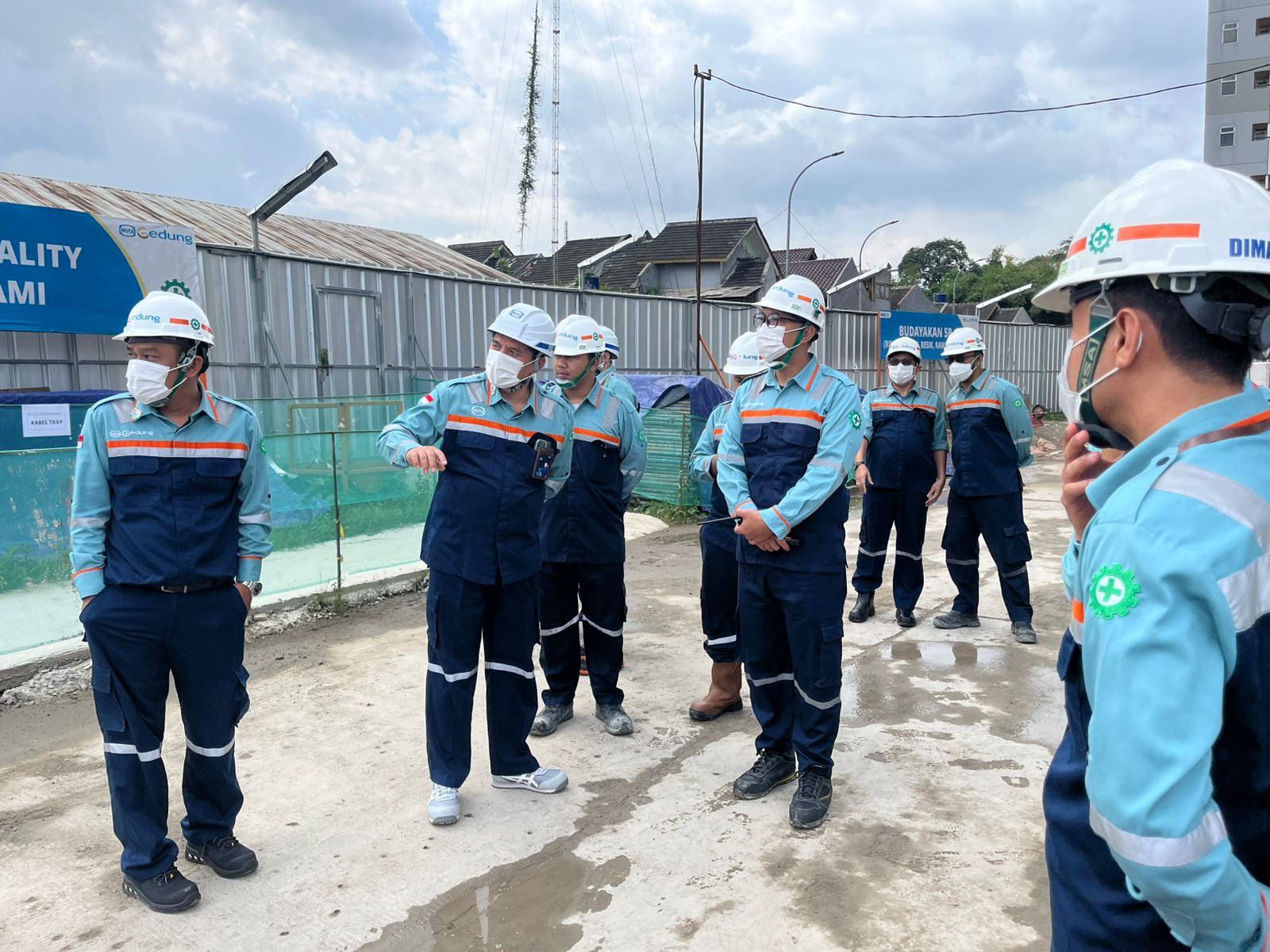
To ensure that potential hazards are properly identified and risks are effectively controlled throughout the construction process, WEGE conducts regular inspections and oversight through QSHE monitoring, QSHE clinics, 360-degree inspections, Root Cause Analysis (RCA), inspections of lifting and handling equipment, inspections of auxiliary equipment, Permits to Work, and QSHE patrols as part of its internal inspection activities on-site.

05 Investigation and Continuous Improvement

Investigation and Continuous Improvement

WEGE has established an accident investigation procedure; every workplace incident within WEGE must be recorded, reported, and analyzed to identify the root cause of the incident. The results of the investigation are used as the basis for developing corrective and preventive actions to ensure that similar incidents do not recur. This process strengthens accountability, fosters shared learning, and promotes the continuous improvement of the occupational health and safety (OHS) system.

06 OHS Training and Competencies

OHS Training and Competencies

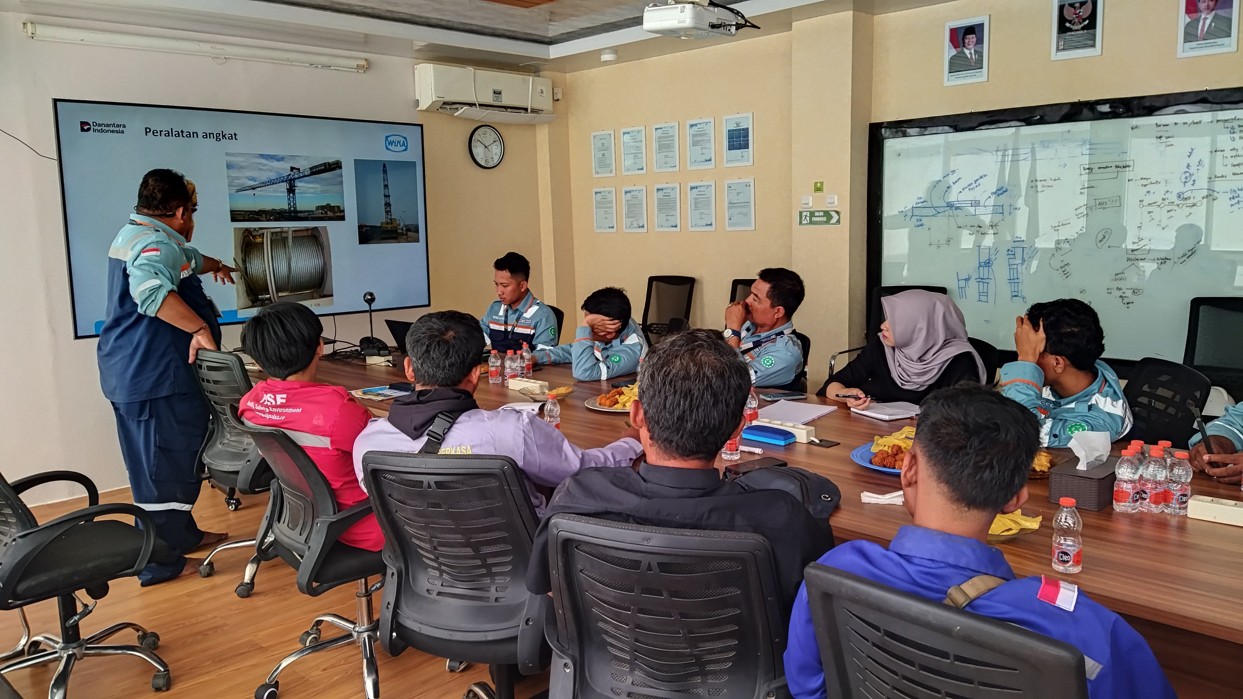
WEGE conducts ongoing occupational health and safety (OHS) training to enhance workers’ competencies in accordance with the level of occupational risk. The training program includes general OHS training as well as specialized training, such as first aid, electrical safety, working at heights, lifting and transport equipment, scaffolding, hot work, manual handling, excavation work, hazardous materials handling, and certification as a Junior Construction OHS Specialist.

07 Support Services and Worker Health

Support Services and Worker Health

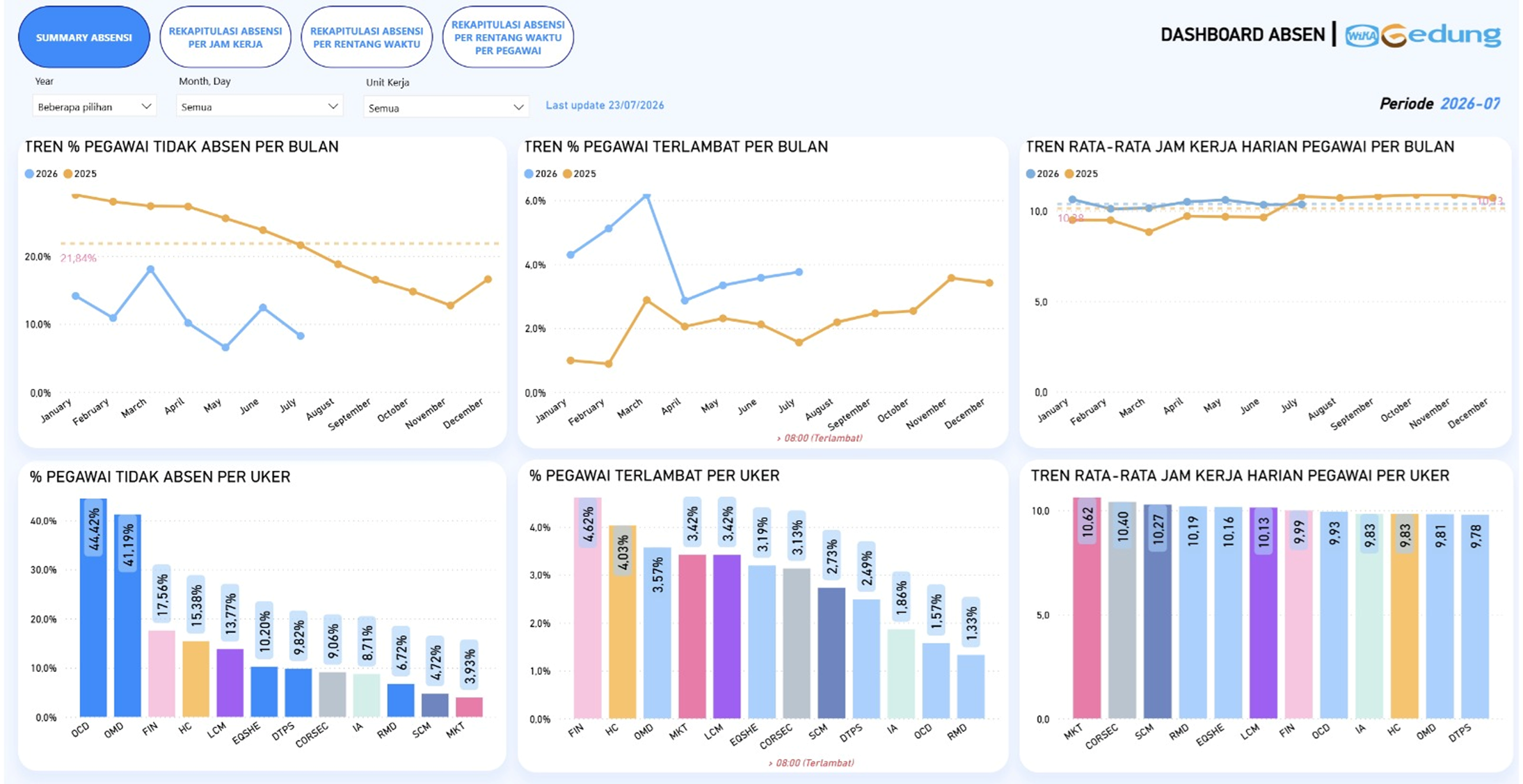
WEGE provides occupational health and safety (OHS) support resources and health facilities such as first aid kits, emergency clinics, emergency response equipment, personal protective equipment (PPE), evacuation routes, safety signs, and OHS communication tools. The company also implements employee health programs through periodic health checkups, counseling, ergonomics awareness sessions, nutrition education, sports activities, BPJS Health coverage, and health insurance. By 2025, more than 90% of employees will undergo a Medical Check-Up (MCU), and the company will conduct three health talk sessions and ergonomics training.

08 Prioritization and Integration of Action Plans and Management of Emergency Situations

Prioritization and Integration of Action Plans and Management of Emergency Situations

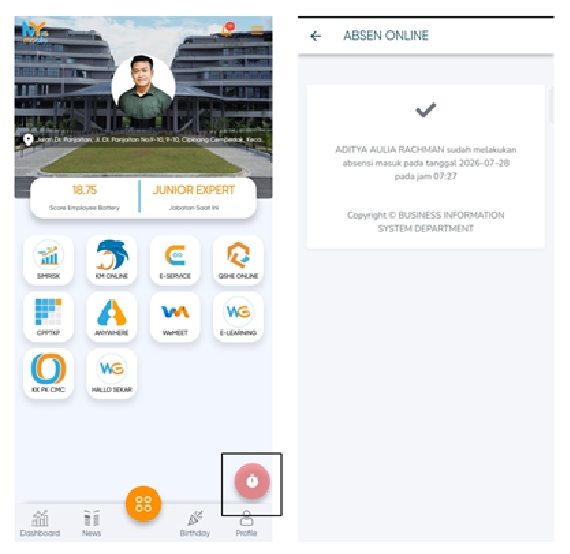
To prioritize and integrate action plans with measurable targets to address occupational safety and health (OSH) risks, WEGE conducts Incident & Near-Miss Analyses and Evaluations of the Effectiveness of Administrative Controls. In response to the evaluation results, WEGE has developed and begun implementing strategic improvement measures for the current year and the future through Strengthening Safety Leadership at the Supervisor Level, Digitization of Reporting and Inspections, and a Safety Mental Health program. We provide a reporting system for workers to report work-related hazards and dangerous situations encountered through direct reporting to supervisors or OSH officers at the worksite, as well as a digital reporting system via an internal app.

09 OHS Performance and Evaluation

OHS Performance and Evaluation

WEGE monitors OHS performance through indicators such as workplace accidents, severity levels, accident frequency, accident-free work hours, and data on work-related illnesses. In 2025, WEGE recorded 2 minor incidents, 1 incident resulting in temporary incapacity to work (SMTB), and 0 fatal incidents. OSH performance is also monitored through accident-free working hours, which totaled 956.800 working hours for employees and 14.478.472 working hours for contractors. The results of this evaluation serve as the basis for improving risk control and strengthening a safety culture on an ongoing basis.

a Customer Relations

Customer Relations

// A·01 — CUSTOMER SATISFACTION INDEX

Customer Satisfaction Index

WEGE prioritizes customer satisfaction as a key indicator of service quality improvement and project success. Through the Customer Satisfaction Index (CSI), the company regularly measures customer perceptions of product quality, timeliness, responsiveness, communication, and post-project service. The survey results serve as the basis for performance evaluation, continuous improvement, and the strengthening of long-term relationships with customers built on trust and professionalism.

// A·02 — CUSTOMER RELATIONS MANAGEMENT

Customer Relations Management

WEGE implements Customer Relationship Management (CRM) as an integrated approach to ensure every interaction with customers. From the initial stages through post-construction, we focus on a single goal: creating customer satisfaction and ensuring its sustainability.

Supported by the implementation of measurable Service Level Agreements (SLAs), WEGE guarantees responsive, timely, and high-quality service at every phase of the project.

Through synergy, WEGE’s CRM not only maintains relationships but also transforms them into sustainable strategic partnerships.

Complaint Handling Process

Complaint Handling Process

WIKA Gedung Contact Information

a Community Relations

Community Relations

// A·01 — COMMUNITY RELATIONS

Community Relations

WEGE measures the impact of its CSR/TJSL programs through an integrated impact measurement approach that combines Social Return on Investment (SROI) and the Community Satisfaction Index (IKM). This approach is used to assess the social value generated from each program investment while also understanding the level of satisfaction and acceptance among beneficiary communities.

The measurement results show that WEGE’s CSR/TJSL programs generate social benefits that exceed the costs incurred, supported by positive community satisfaction levels. Through this evaluation, WEGE strengthens transparency, accountability, and continuous improvement in managing impact-driven social programs.

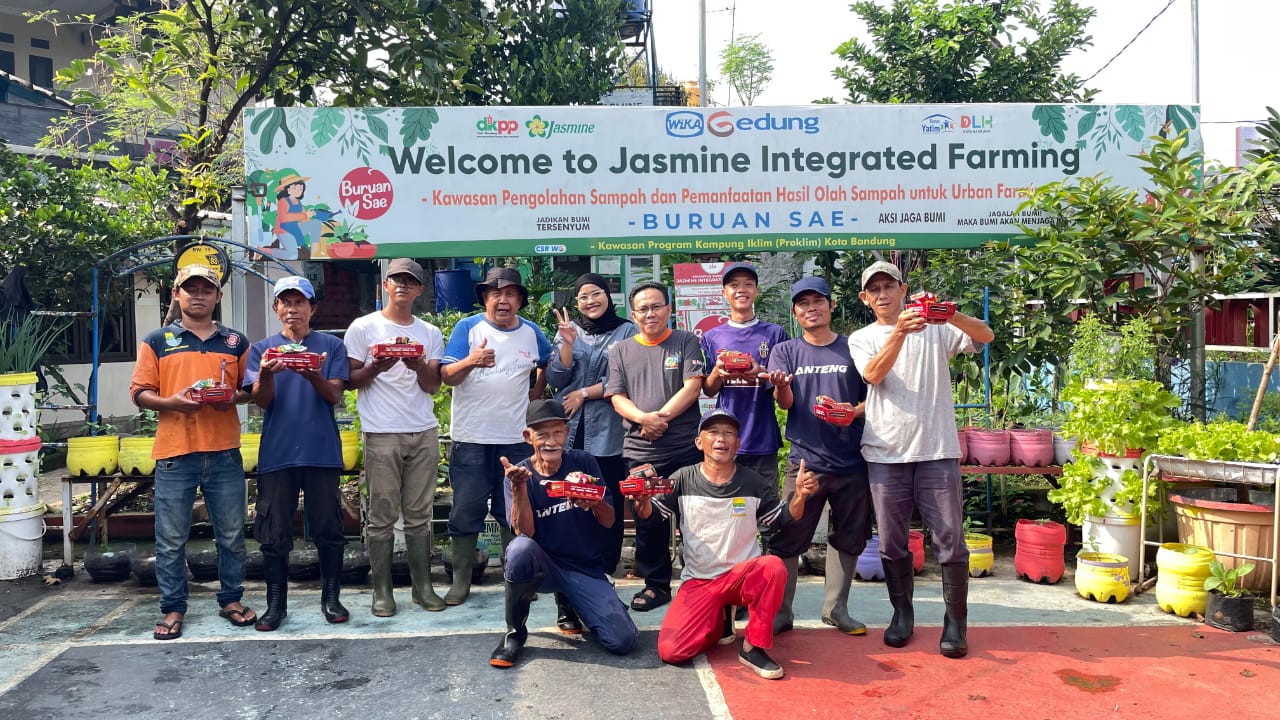
Jasmine Integrated Farming

Jasmine Integrated Farming
SROI Rate 6,62
CSI Rate 89,64 %

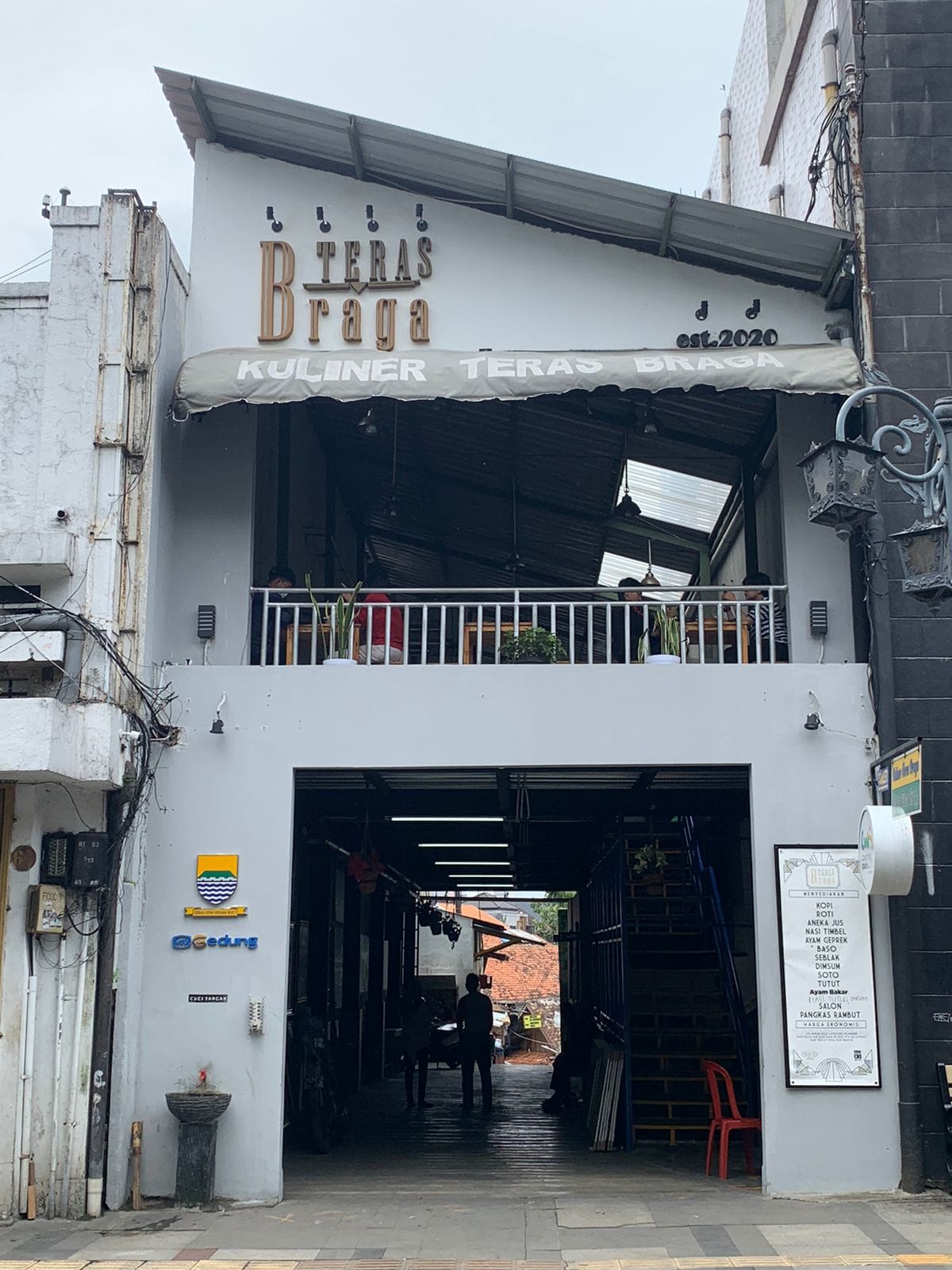
Teras Braga & Co Working Space

Teras Braga & Co Working Space
SROI Rate 4,56

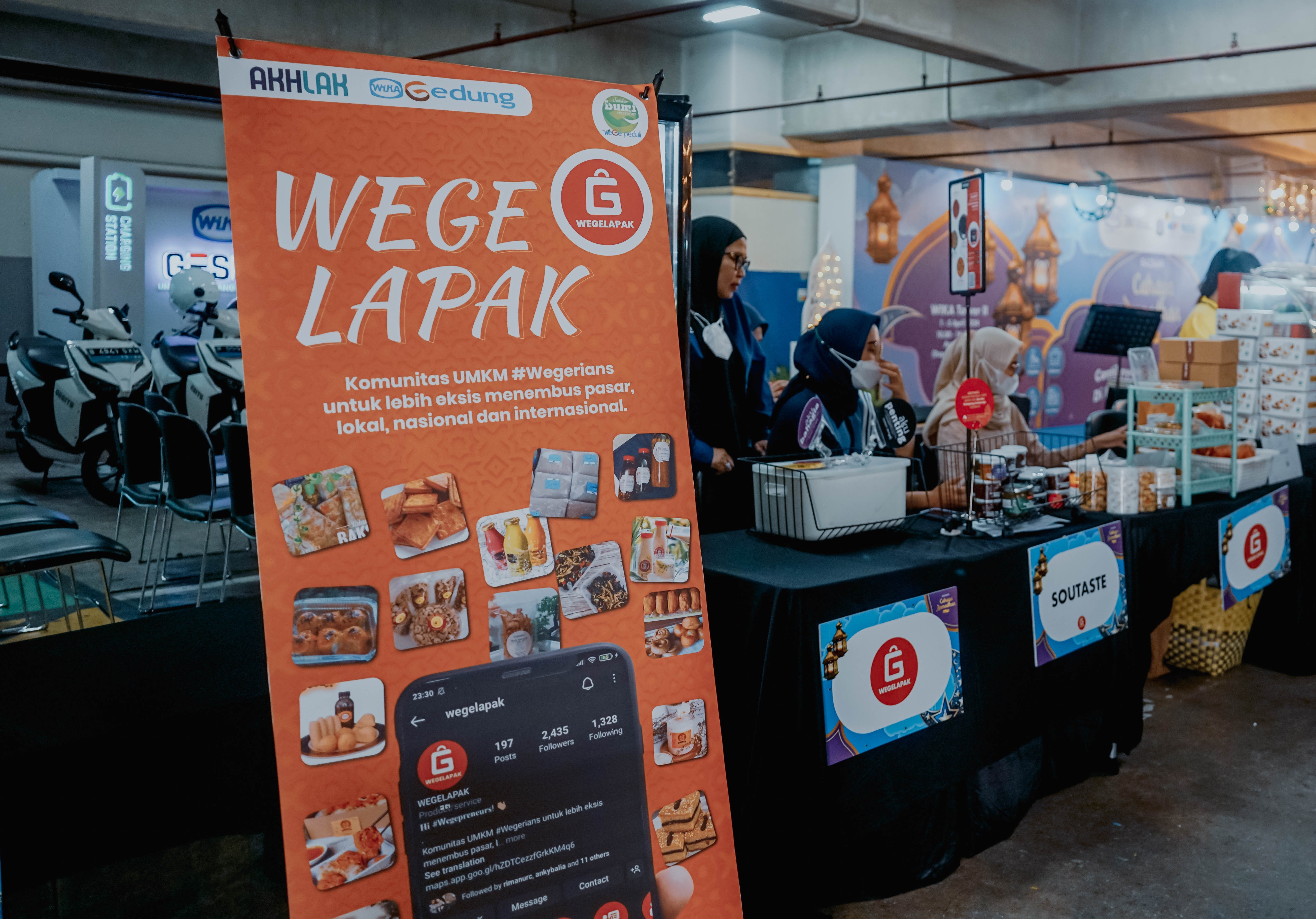
WEGE Lapak

WEGE Lapak
SROI Rate 3,42

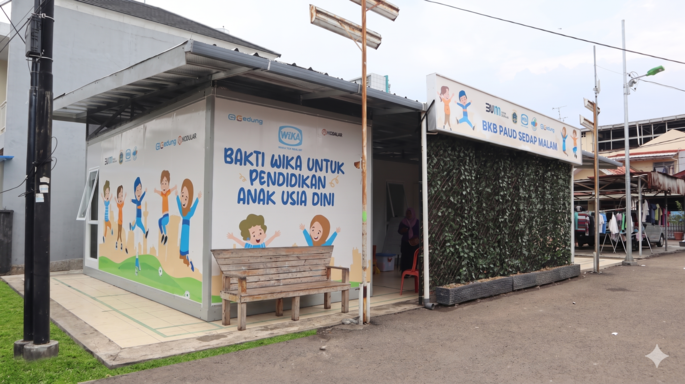
Pendidikan Anak Usia Dini (PAUD) Modular

Pendidikan Anak Usia Dini (PAUD) Modular
SROI Rate 3,42
CSI Rate 83,03%