BACKGROUND & OBJECTIVES
- Improving water use efficiency through a zero runoff system
- Reducing rainwater runoff
- Enhancing infiltration and maximizing water recycling
- Supporting water conservation and environmental sustainability

WEGE is committed to implementing sustainable construction through the provision of high-quality products and services, supported by responsible environmental management throughout the construction lifecycle, consistent implementation of environmental management systems, control of environmental impacts, as well as innovation and efficiency to support the global climate transition agenda and the creation of sustainable value.
(in thousand)
| Year | Number of Environmental Violations |
|---|---|
| 2022 | 0 |
| 2023 | 0 |
| 2024 | 0 |
| 2025 | 0 |
WEGE has implemented the ISO 14001 Environmental Management System across all operational units to support the continuous improvement of environmental performance. WEGE has reached 100% certification coverage in all operational areas, that confirming the company's existence in ensuring the environmental management system implemented according to national and international standards. The ISO 14001 verification conducts by external party PT Sucofindo to ensures that WEGE consistently implements efforts to mitigate environmental impacts, practice responsible waste management, and achieve resource efÏciency in every construction project undertaken.
Over the past four years, PT Wijaya Karya Bangunan Gedung Tbk (WEGE) has not incurred any significant administrative sanctions, fines, or penalties related to violations of environmental laws and regulations. During the reporting period, there were no cases of non-compliance that resulted in sanctions imposed by the relevant authorities.
WEGE has implemented an Energy Management System based on ISO 50001:2018, with implementation coverage including the Head Office, Plant, Office Facilities at the Modular Plant, and Projects. The implementation of this energy management system serves as the foundation for the Company in improving the effectiveness of energy management, identifying efficiency opportunities, and monitoring energy consumption performance on a regular basis.
As part of its commitment to energy efficiency and more sustainable operations, the Company carries out various initiatives to improve the efficiency of energy and fuel use. These initiatives include the utilization of solar panels, electricity savings through switching off unused equipment, optimization of air conditioning use, the use of electric vehicles to reduce fuel consumption, and the regulation of heavy equipment operations to make fuel use more efficient. All of these initiatives form part of WEGE's efforts to support more environmentally friendly operations.
In terms of energy consumption reporting, WEGE's data coverage has gradually increased year over year. In 2022, the calculated energy consumption data covered 5% of the Company's operational areas. In 2023, the calculation coverage increased to 60% of operational areas. Subsequently, in 2024 and 2025, the data coverage reached 100% of the Company's operational areas.
The significant increase in energy consumption from 2024 to 2025 was also influenced by the implementation of national mega projects, which significantly increased the intensity of the Company's operational activities. This increase in project activity had a direct impact on rising energy needs in the field, in line with the characteristics of construction activities, where energy consumption is closely related to the scale and intensity of operations.
In 2025, corporate-level energy performance achievement was set through an energy savings target of 2%. The electricity usage target was set at 19,579 GJ, while actual electricity usage was recorded at 17,980 GJ, or 1,599 GJ lower than the set target.
Meanwhile, the target for fuel oil (BBM) usage in 2025 was set at 375,691 GJ. Actual fuel oil usage was recorded at 336,960 GJ, or 38,731 GJ lower than the set target.
For LPG usage, the 2025 target was set at 1,088.83 GJ, while actual usage was recorded at 980 GJ, or 109 GJ lower than the set target. These results indicate that WEGE's actual energy usage during the reporting year was below the set targets, in line with the Company's efforts to improve energy efficiency and support more sustainable operational management.
WEGE supports the transition toward sustainable development through the gradual utilization of renewable energy, which has currently been implemented in modular factory facilities through the use of solar panels as part of efforts to improve energy efficiency and reduce carbon emissions.
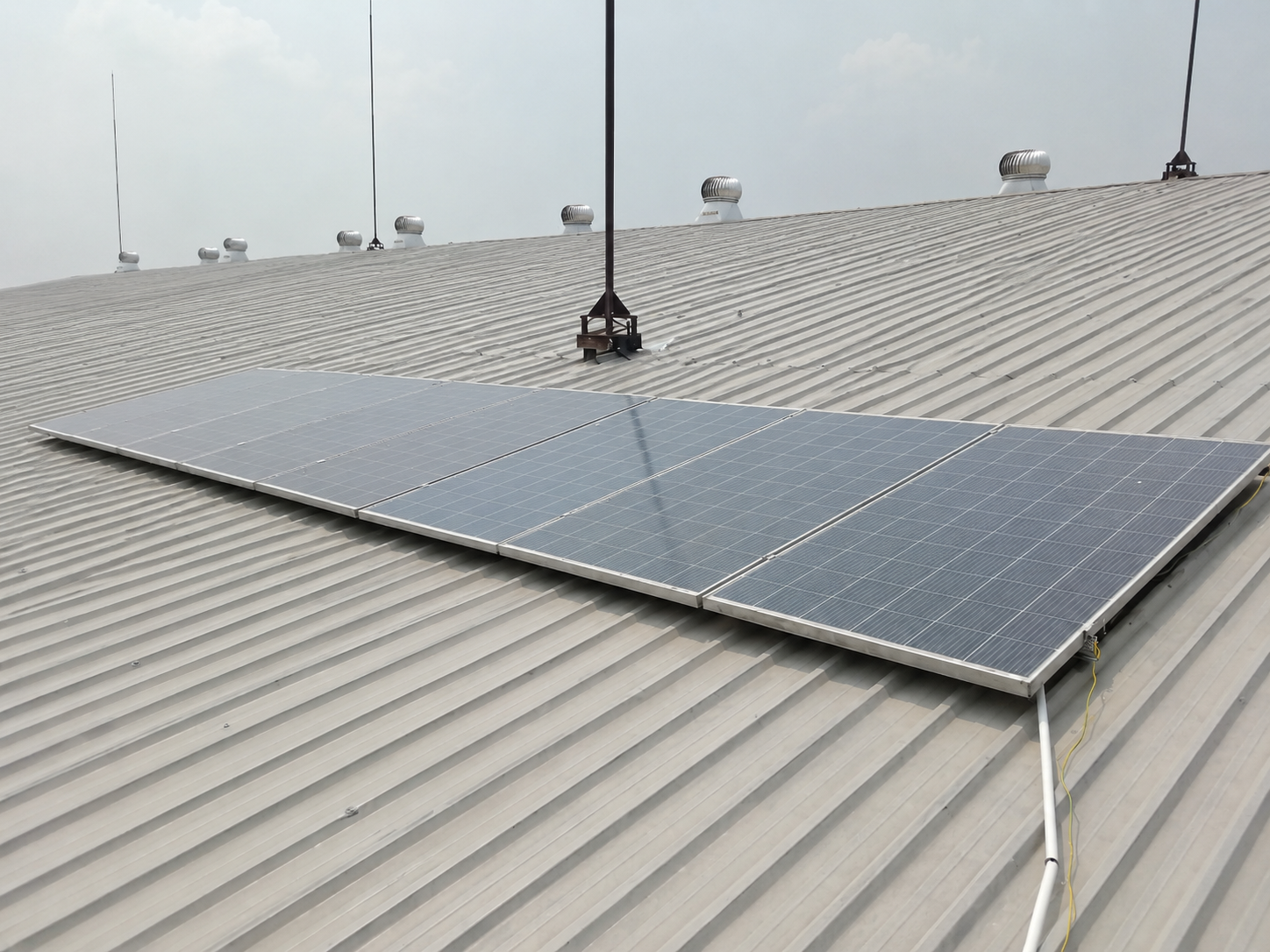
1.161 kWh
1.023 kWh
1.387 kWh
WEGE implements energy efficiency programs in its office operations and projects through the use of energy-saving technologies, the optimization of equipment usage, and the sustainable management of electricity consumption. These initiatives help reduce operating costs, lower greenhouse gas emissions, and improve the company’s environmental performance.
Research & Development to Reduce Energy Consumption
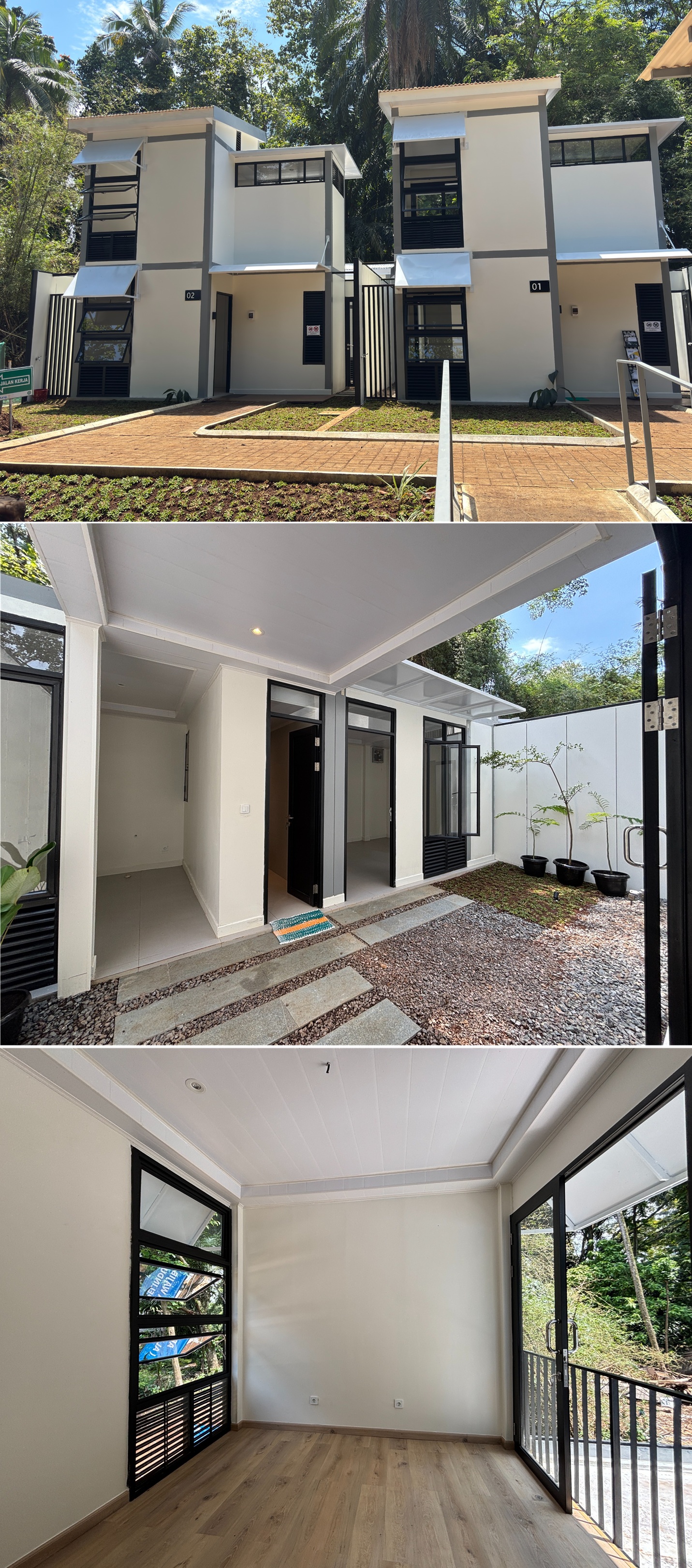
In its effort to reduce energy consumption in the construction process, WEGE consistently invests in research and development (R&D) directed at improving energy efficiency across all operational lines. In 2025, WEGE launched NETRO (Smart Net Zero Growing Modular House), an innovative "breathing" growing house equipped with a real-time energy monitoring system. Through NETRO, WEGE not only delivers an adaptive modular housing solution but also successfully reduces electricity consumption and emissions generated during the construction process.
Prior to that, since 2024 WEGE had already implemented an Energy Management System at the project level. This system was designed to manage energy use in a more structured way, thereby improving project energy efficiency while reducing energy costs.
Complementing these two initiatives, WEGE is currently developing an Integrated Project Reporting System Based on an Interactive Dashboard. This system centralizes QHSE and energy data from various projects into a single platform, while also automating data processing so that QHSE and energy performance can be monitored more quickly, accurately, and in an integrated manner.
Through this series of innovations, WEGE remains committed to continuously saving energy consumption across all its operations, as part of the company's tangible contribution to resource efficiency and long-term sustainability.
(kWh/m2/month)
(% of planned fuel consumption)
WEGE strives to optimize its usage through various energy efficiency initiatives. These efforts also support the implementation of Government Regulation No. 70 of 2009 on Energy Conservation.
WEGE understands that water is a vital resource for human life, not only to support the company’s operational activities but also for the well-being of communities and environmental sustainability around both the head office and project areas.
The company obtains water from two main sources, namely PDAM (municipal water supply) and groundwater, with management practices that prioritize sustainability principles and the protection of water resources. During the reporting period, water consumption monitoring is carried out at the head office and across all projects. Oversight is conducted regularly by the Corporate Secretary to ensure that water usage remains efficient and meets the established management targets.
WEGE understands that water is a vital resource for human life, not only to support the company’s operational activities but also for the well-being of communities and environmental sustainability around both the head office and project areas. The company has installed sensor-based water-saving devices to optimize water usage during project activities. In addition, flow meters or water meters are installed at each new project site to improve recording accuracy and enhance the effectiveness of periodic water consumption monitoring.
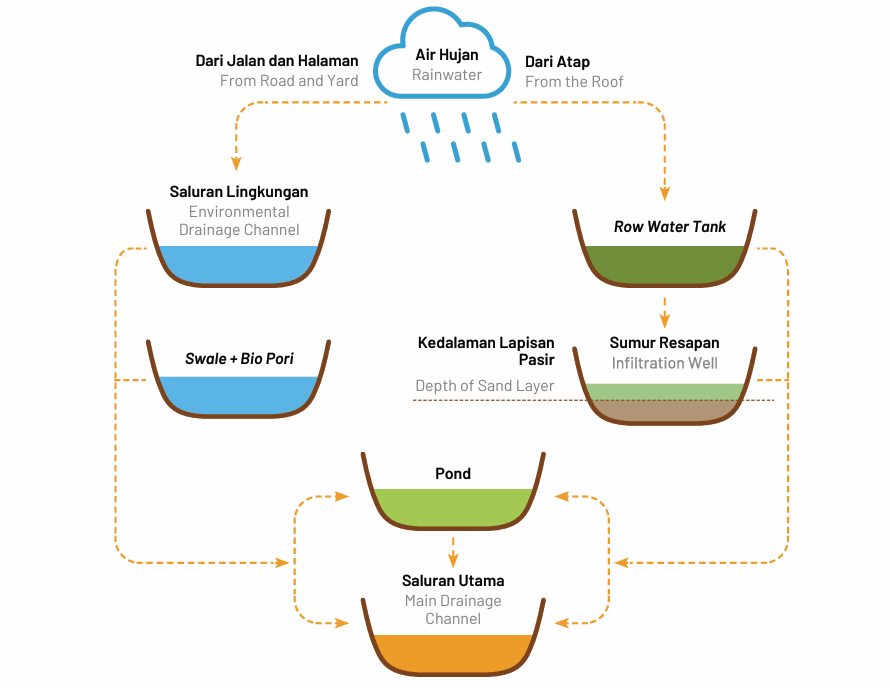
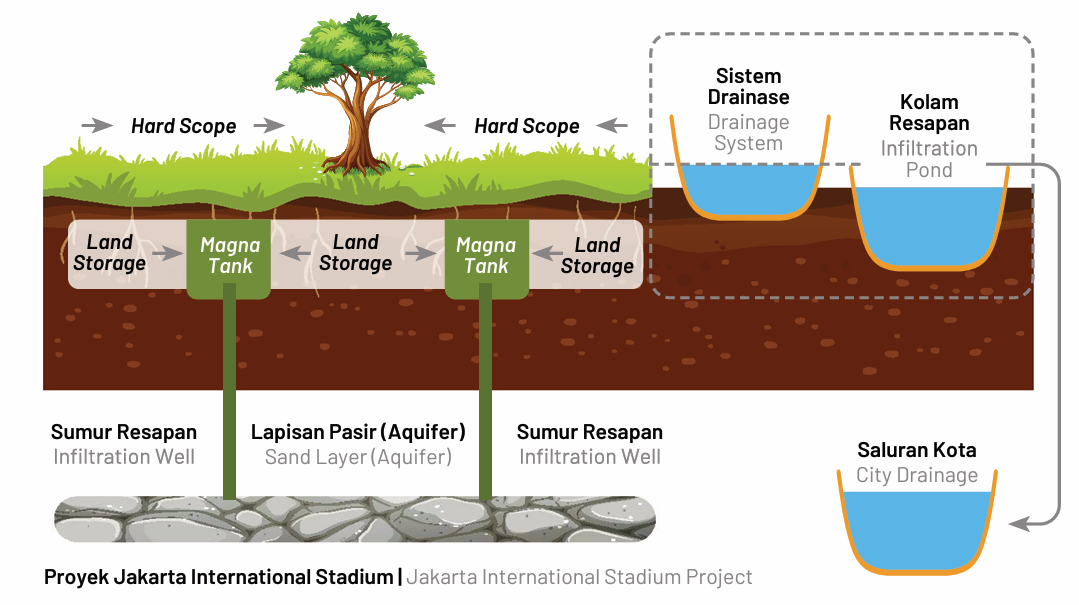
The company has implemented several water efficiency programs in construction projects.
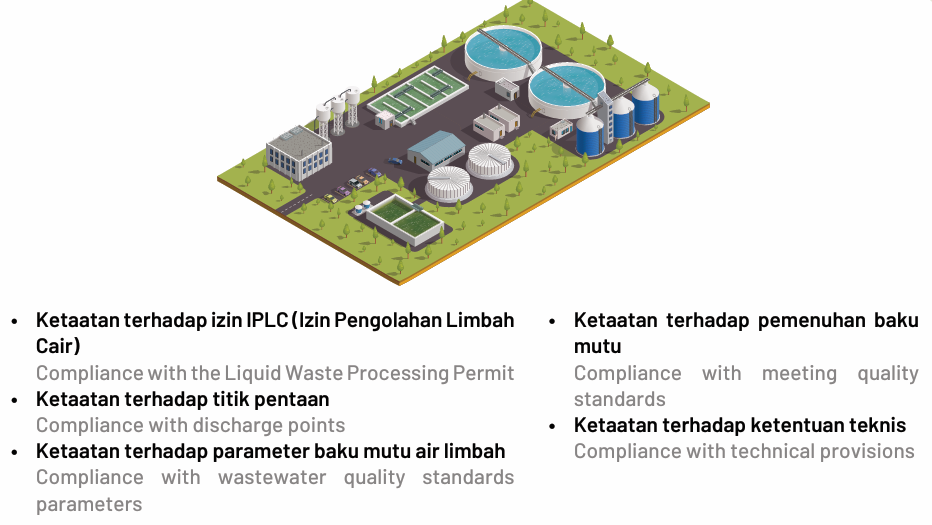
Considering the increasing scarcity of clean water resources, the company has taken strategic steps to optimize water usage. One of these efforts is the installation of a Waste Water Treatment Plant (WWTP) at the head office since 2021. This facility enables wastewater that has undergone treatment processes to be reused for non-consumptive purposes, such as watering plants and maintaining green areas.
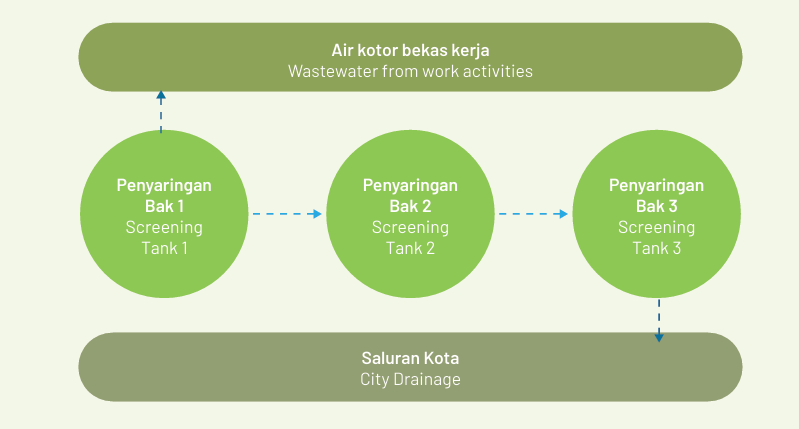
In wastewater management, the company ensures that every waste stream is properly treated to prevent environmental pollution. Used water from the head office and project sites is channeled through a structured drainage system.
In several projects, water from concrete washing is first directed to sedimentation tanks to remove solid materials before being discharged into the municipal drainage system. Meanwhile, wastewater from toilets is directed to infiltration wells through septic tanks, ensuring that the treatment process is safe and environmentally friendly.
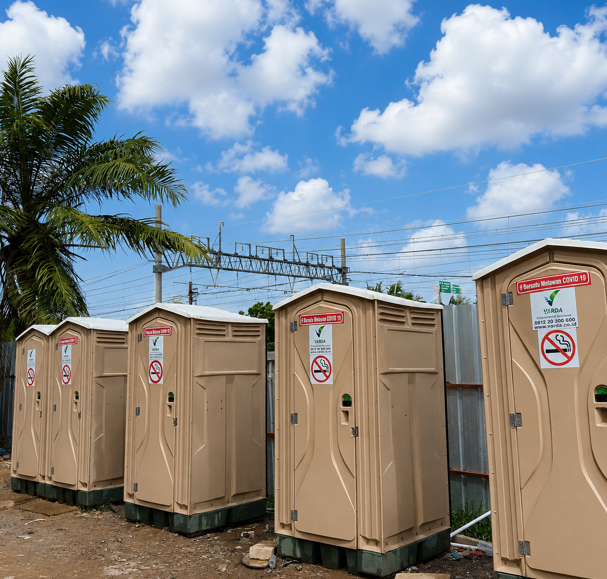
Collected in temporary septic tanks, with third-party services engaged to transport the waste out of the project site on a weekly basis.
The company also implements educational programs for all employees to raise awareness of the importance of water conservation. Awareness campaigns are conducted across all work units, including the head office, factory, and project areas, to build more responsible water usage habits. Through these efforts, the company aims to significantly reduce water consumption while maintaining the sustainability of water resources.
| Year | Emissions (Scope 1 & Scope 2) | Emissions Reduction | ||
|---|---|---|---|---|
| Emissions Generated | Comparison with Previous Year | Actual | Target | |
| 2022 | - | - | - | - |
| 2023 | 11.880,7 | - | 0% | 0% |
| 2024 | 18.662,0 | 11.880,7 | 0% | 0% |
| 2025 | 24.106,9 | 18.662,0 | 0% | 0% |
| 2026 | 31.723,3 | 24.106,9 | 0% | 0% |
WEGE gradually manages and reduces greenhouse gas (GHG) emissions through emissions monitoring, energy efficiency initiatives, and the implementation of more sustainable operational practices.
The emission calculations cover Scope 1, Scope 2, and Scope 3 in accordance with the IPCC Guidelines and the electricity emission factors issued by the Directorate General of Electricity (DJK), Ministry of Energy and Mineral Resources (ESDM).
In 2024 and 2025, WEGE has successfully measured and reported Scope 3 emissions for three main categories: upstream transportation and distribution, business travel, and purchased goods and services.
The emissions scope 1, 2, and 3 target for 2025 was set at 27,658 tCO₂e. Actual emissions in 2025 amounted to 25,143 tCO₂e, which was 2,515 tCO₂e below the established target.
WEGE has established greenhouse gas (GHG) emission reduction targets as part of its long-term commitment toward lower-carbon construction operations. These efforts are carried out gradually through the development of an emissions inventory system, improvement of energy efficiency, and the adoption of more environmentally friendly construction technologies.
In emissions data reporting, the scope of WEGE’s data has gradually increased year over year. In 2022, the calculated energy consumption data covered 5% of the Company’s operational areas. In 2023, the scope of the calculations increased to 60% of the operational areas. Furthermore, in 2024 and 2025, the data coverage has encompassed 100% of the Company’s operational areas.
WEGE targets achieving Net Zero Emissions by 2060 for Scope 1 and Scope 2. This commitment is part of the company’s strategic direction to reduce carbon emissions and support global efforts in addressing climate change.
WEGE is committed to supporting the global climate transition through a comprehensive greenhouse gas management strategy. The Net Zero Emissions Roadmap outlines a phased decarbonization strategy focused on operational efficiency, electrification, renewable energy integration, and smart energy management to support the achievement of Net Zero Emissions by 2060.
WEGE identifies climate change as both a risk and a strategic opportunity in the development of its sustainable business. Key risks include physical impacts such as extreme weather, rising temperatures, flooding, and sea level rise, which may disrupt projects, increase operational costs, and reduce productivity. To mitigate these risks, WEGE implements strengthened risk assessments, adaptive scheduling, more resilient infrastructure design, water use efficiency measures, and project insurance protection.
From a transition perspective, changes in carbon regulations and green building standards present challenges that are addressed through the adoption of green design, the development of low-carbon construction practices, and enhanced ESG transparency to maintain competitiveness and investor confidence. On the opportunity side, WEGE sees significant potential in the development of green buildings, Zero Emission Buildings (ZEB), renewable energy, and green infrastructure, all of which support sustainable business growth and long-term corporate resilience.
WEGE implements a performance-based incentive scheme that includes the achievement of sustainability and climate-related targets. This scheme is applied through Corporate KPIs, which are cascaded across all organizational levels, from the Board Level and management to staff level. Therefore, the achievement of Corporate KPIs represents a shared responsibility, and the benefits of achieving these targets may be recognized across the organization in accordance with the Company’s performance management mechanism.
One of the KPIs related to climate issues is the ESG Rating target. This target reflects WEGE’s commitment to improving its Environmental, Social, and Governance performance, including emissions management, energy efficiency, sustainable construction practices, climate governance, and the management of climate-related risks and opportunities. In 2026, WEGE set an ESG Rating target of 40, with a weighting of 7% of the overall Corporate KPI.
The incentive type provided under this scheme is monetary reward (production service) and recognition towards the contribution of individuals, work units, and the organization in supporting the achievement of the Company’s sustainability and climate-related targets. Through this mechanism, WEGE strengthens the integration of climate considerations into performance management, enhances internal accountability, and ensures that ESG and climate-related targets are embedded as part of the Company’s strategic priorities.
WEGE has conducted a qualitative climate scenario analysis to assess how climate-related transition and physical risks may affect the Company’s operations, strategy, and financial performance over time. The analysis complements the Climate Risk Assessment (CRA) by evaluating how external climate-related developments may influence risk profiles, business opportunities, investment needs, and the implementation direction of the Company’s Net Zero Emission (NZE) Roadmap.
For transition risk analysis, WEGE applies the NGFS 2°C or below scenario, which is considered relevant to the Company’s business context and Indonesia’s construction industry. This scenario reflects a low-carbon transition pathway driven by stronger climate policies, increasing ESG expectations from investors and customers, wider adoption of green procurement, tighter carbon-related regulations, and accelerated development of low-carbon technologies. Under this scenario, WEGE assesses potential implications such as increasing demand for green buildings, modular construction, energy-efficient design, and low-carbon construction solutions.
For physical climate risk analysis, WEGE applies the RCP 2.6 or SSP1-2.6 scenario, which represents an optimistic climate pathway where global temperature increase is kept below 2°C. Using this scenario, WEGE maps potential physical climate risks, including water stress, flooding, extreme rainfall, and other climate-related hazards across the Company’s operational areas. The analysis is conducted across relevant time horizons, including 2025, 2030, and 2060, to support mitigation planning and strengthen long-term operational resilience.
The results of the climate scenario analysis serve as a basis for prioritizing decarbonization programs, strengthening climate risk mitigation measures, planning investment needs, and aligning the Company’s business strategy with its NZE Roadmap and long-term sustainability objectives.
WEGE is committed to supporting the achievement of global net-zero greenhouse gas emissions as well as Indonesia's national climate pathway toward Net Zero Emission by 2060. WEGE's Net Zero 2060 Strategy is aligned with the objectives of the Paris Agreement, including global efforts to limit the rise in global temperature to 1.5°C, while taking into account the principle of Common but Differentiated Responsibilities and Indonesia's national circumstances.
As part of this commitment, WEGE has developed a transition plan that outlines the Company's direction, priorities, and action plans for reducing greenhouse gas emissions, particularly for Scope 1 and Scope 2 emissions. This transition plan is supported by several key decarbonization levers, including the implementation of energy efficiency initiatives, improved resource use efficiency, the adoption of low-carbon construction practices, the development of modular construction solutions, and the application of Green Building principles in accordance with applicable standards and regulations.
For Scope 3 emissions, WEGE applies a phased approach to managing value chain emissions by prioritizing improved data quality, strengthened supply chain engagement, and the integration of decarbonization aspects into the Company's core business processes. These initiatives serve as the foundation for WEGE to develop more comprehensive Scope 3 emission reduction targets in the future, in line with the development of emission measurement capacity, the availability of data from suppliers and business partners, and the Company's low-carbon transition strategy.
WEGE also recognizes that implementing the Net Zero Emission Roadmap requires planned, structured, and measurable funding support. To that end, the Company plans to develop a Net Zero Transition Financing Framework that encompasses the identification of investment needs, program priorities, and alternative funding sources to support the phased implementation of decarbonization programs. This financing framework is expected to strengthen the integration of climate considerations into business planning, investment decision-making, and the Company's long-term sustainability strategy.
Stakeholder engagement is a key element of WEGE's transition plan. The Company engages with customers to understand their needs and expectations regarding green buildings, energy efficiency, and low-carbon construction solutions. Input gathered through this engagement process is taken into consideration in refining the transition strategy as well as in developing more sustainable construction products and services.
In addition, WEGE plays an active role in supporting government policies and initiatives, particularly those related to the implementation of Green Buildings under the Ministry of Public Works and Housing (PUPR). Through the application of Green Building principles in accordance with Minister of PUPR Regulation No. 21 of 2021, WEGE contributes to energy efficiency, water efficiency, and environmental conservation, in line with climate change mitigation objectives and the Paris Agreement.
WEGE also understands that the transition toward Net Zero Emission may have social implications for workers, customers, business partners, and other stakeholders. Therefore, the Company plans to gradually develop a social impact assessment of its transition plan to ensure that the transition is implemented in an inclusive, responsible, and sustainable manner.
Through this transition plan, WEGE seeks to strengthen the Company's climate resilience, reduce emissions from its operational activities, support the development of sustainable construction, and contribute to the achievement of national and global climate targets.
WEGE demonstrates a strong commitment and strategic approach to managing construction and demolition waste responsibly as part of its sustainable construction practices. These commitments and strategies are embedded in project design prior to the commencement of construction activities, ensuring that construction and demolition waste is managed systematically through the principles of reduce, reuse, and recycle (3R). Waste management planning is integrated into project design at the pre-construction stage, enabling comprehensive and systematic waste control from the outset across all construction projects.
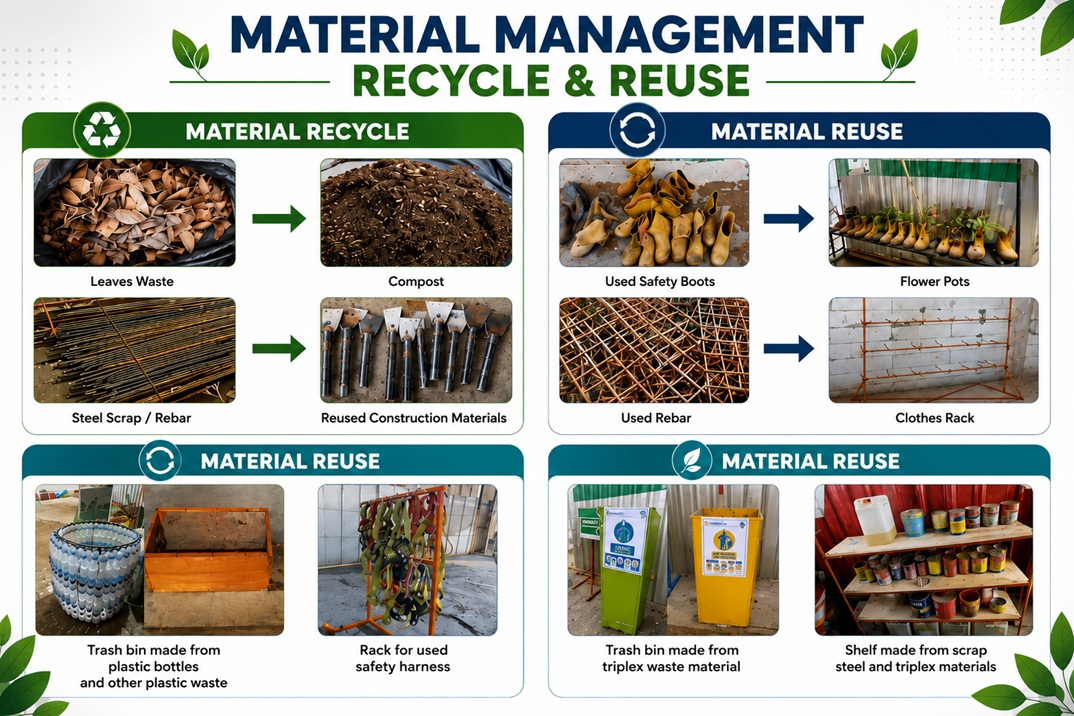
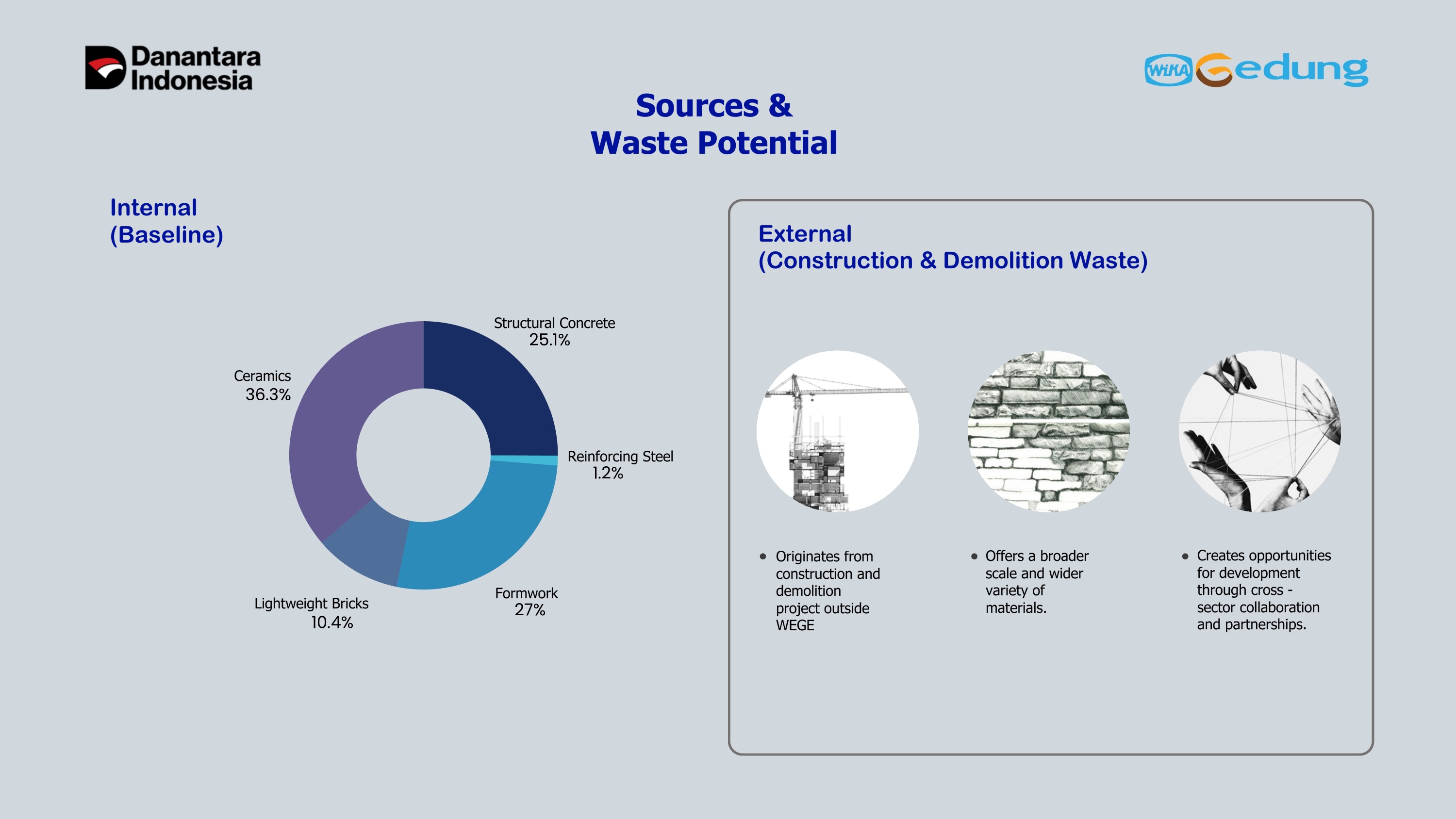
In practice, each project establishes specific targets for reducing construction waste, including the implementation of reduce, reuse, and recycle (3R) principles for materials generated throughout the construction process across all projects. WIKA Gedung has implemented waste separation at all construction project sites so that the waste generated can be managed more effectively based on its type and potential for reuse. The company has implemented various initiatives to optimize the utilization of residual materials to enhance efficiency and sustainability, including the use of fly ash and lightweight brick waste as screed mixtures, the reuse of scrap metal, wood, and concrete residues for project purposes, the use of lightweight brick offcuts as mortar mixtures, the conversion of scrap metal into steel decks and safety railings, and the repurposing of used drums as waste containers.
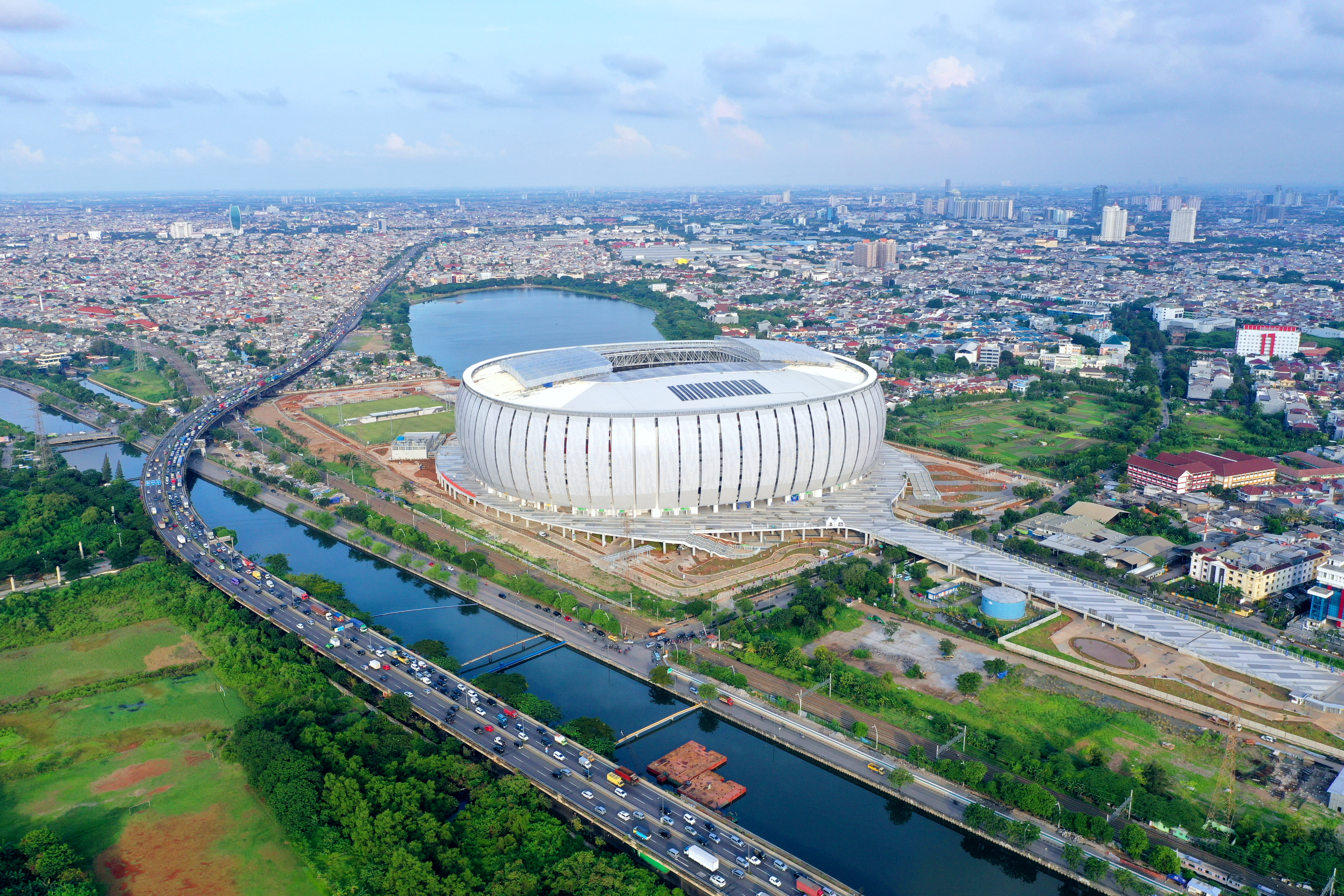
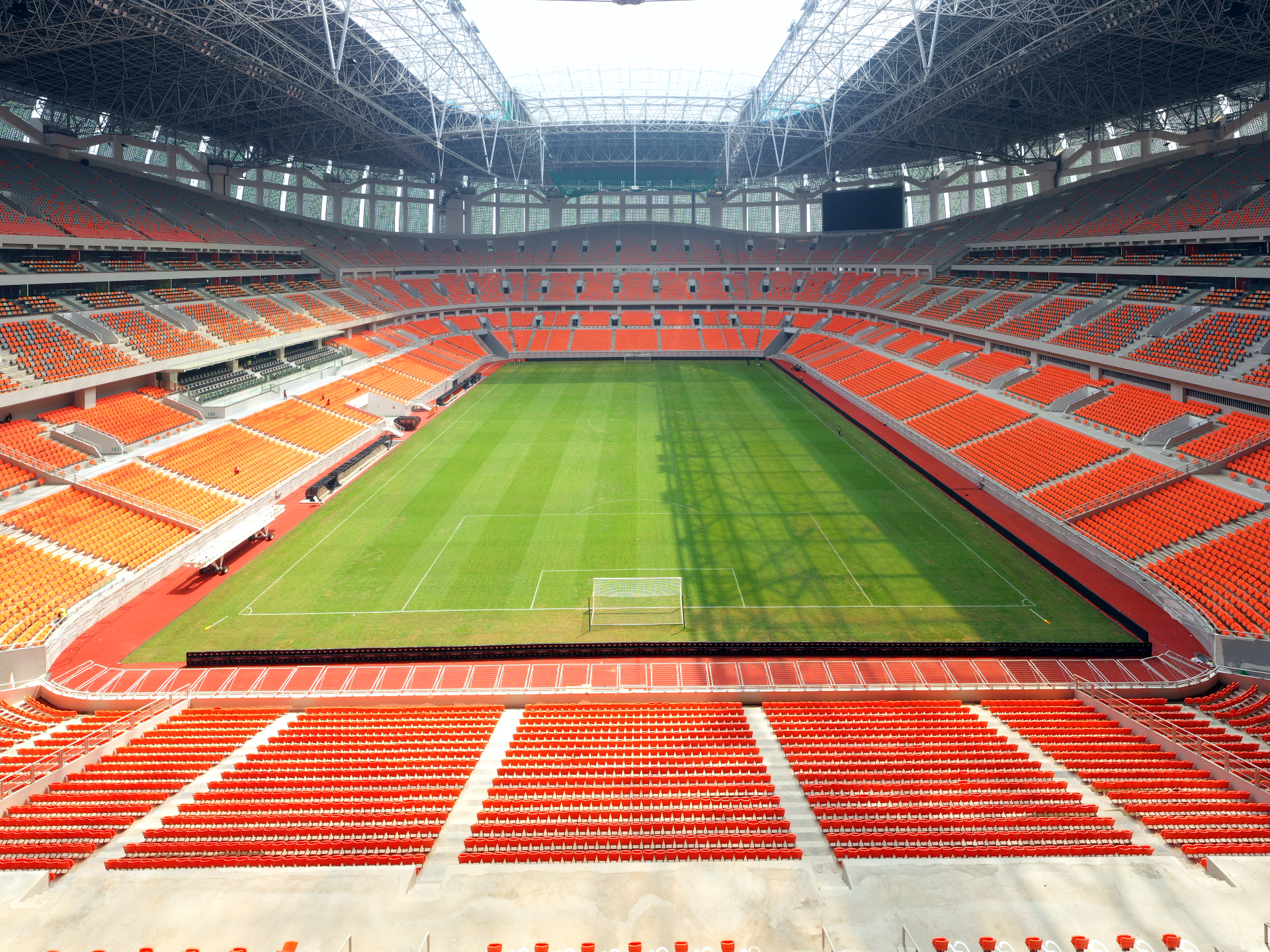
Furthermore, the company implements various environmentally friendly initiatives, including the development of modular construction products to reduce waste generation, the adoption of prefabrication methods and recycled materials, the utilization of locally sourced materials within an approximate radius of ±800 km, and the execution of projects with a life cycle approach to minimize emissions and waste across all construction stages. A notable example of this implementation is demonstrated in the Jakarta International Stadium (JIS) project, where material waste is reused to enhance project sustainability and reduce its ecological footprint.
To ensure the effective implementation of construction waste management, throughout 2025 across all construction projects, WEGE has continuously conducted awareness programs, socialization, and training for all workers and contractors on proper and responsible construction waste management practices.
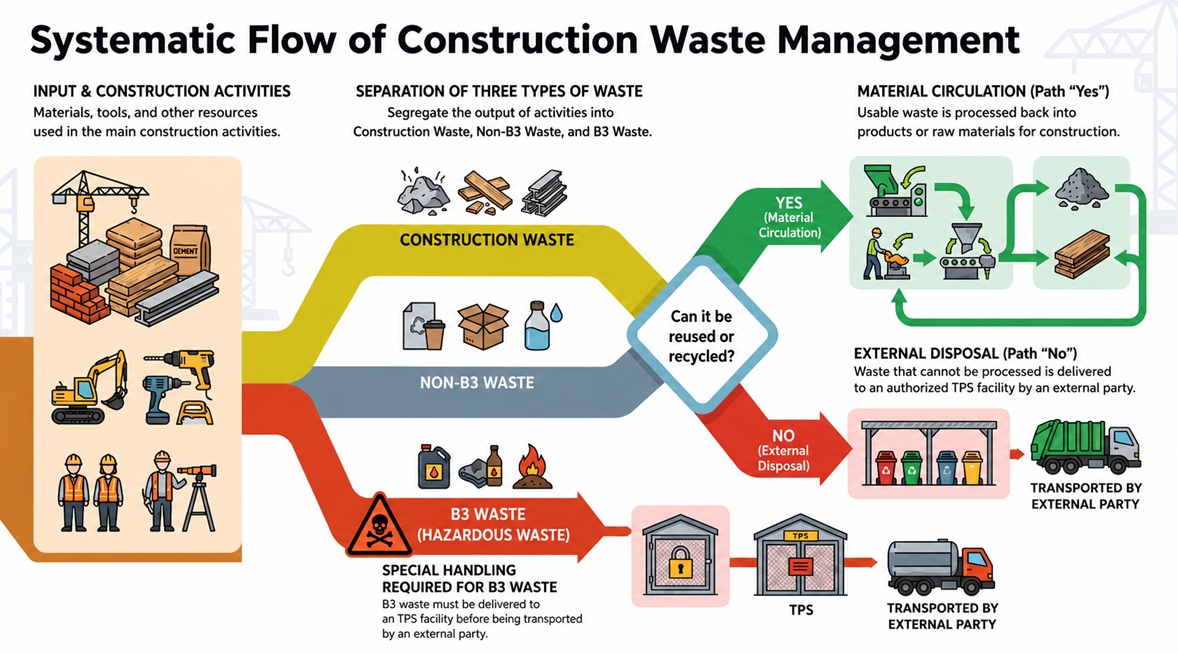
Waste generation refers to residual materials or by-products resulting from the company’s operational activities, originating from both office operations and project activities. Waste is categorized into two main types: Non-Hazardous Waste and Hazardous Waste.
Overall, waste management shows an improved trend in 2025, particularly in the reduction of both Non-Hazardous and Hazardous Waste in projects.
The company demonstrates its commitment to sustainability through the reduction of waste generation and the enhancement of environmental management practices.
Consistent monitoring, integrated waste management, and the implementation of reduce–reuse–recycle (3R) programs are necessary to maintain and further improve environmental performance in the coming years.
The target for non-B3 waste generation at the project in 2025 was set at 435.63 metric tons. The actual non-B3 waste generation in 2025 was recorded at 396.03 metric tons, which is 39.60 metric tons lower than the set target.
The target for hazardous waste generation at the project in 2025 was set at 51.12 metric tons. The actual hazardous waste generation in 2025 was recorded at 46.48 metric tons, which is 4.64 metric tons lower than the established target.
Data coverage =
2022: Head Office only
2023: Head office + modular projects
2024: 60% operations + Head office
2025: 100% oprerations + concession + Head Office
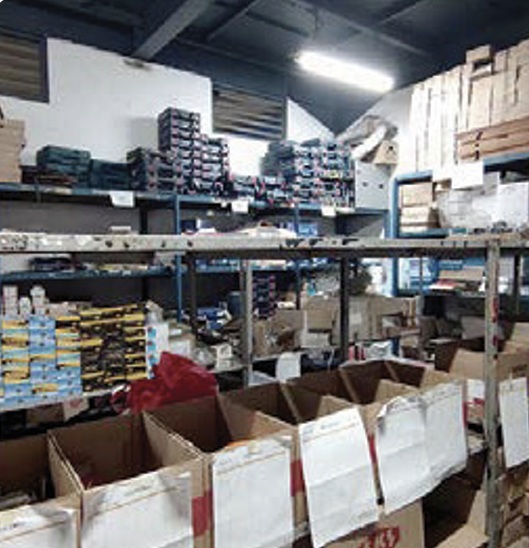
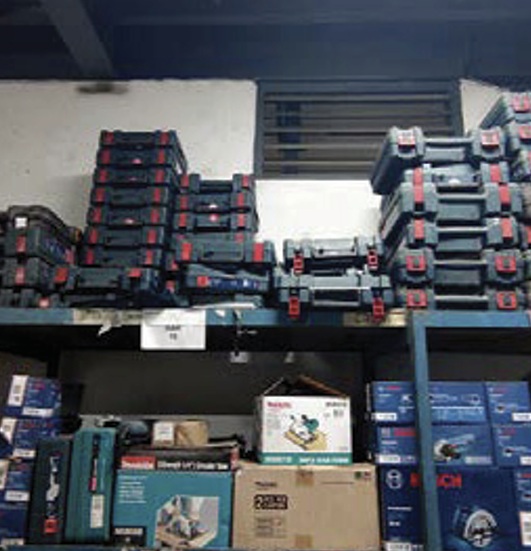
Materials are placed in designated storage areas that are systematically organized, secure, and classified according to their type.
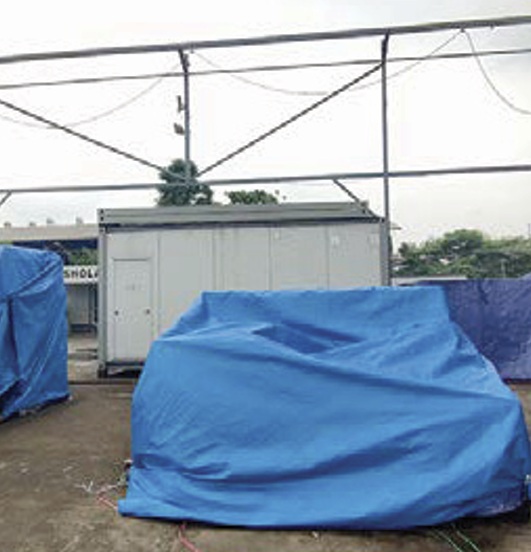
Waste is identified to ensure appropriate segregation based on its type and characteristics.
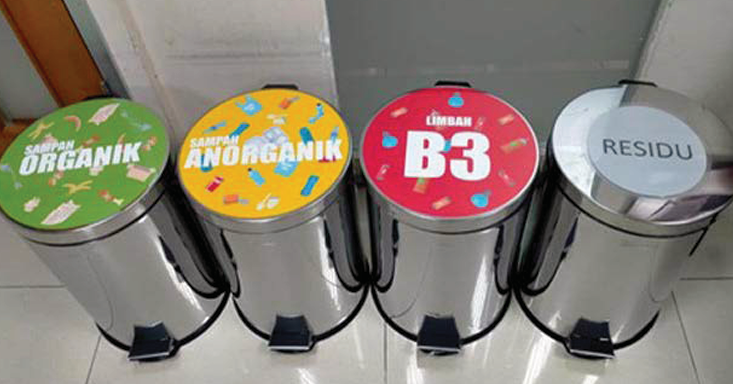
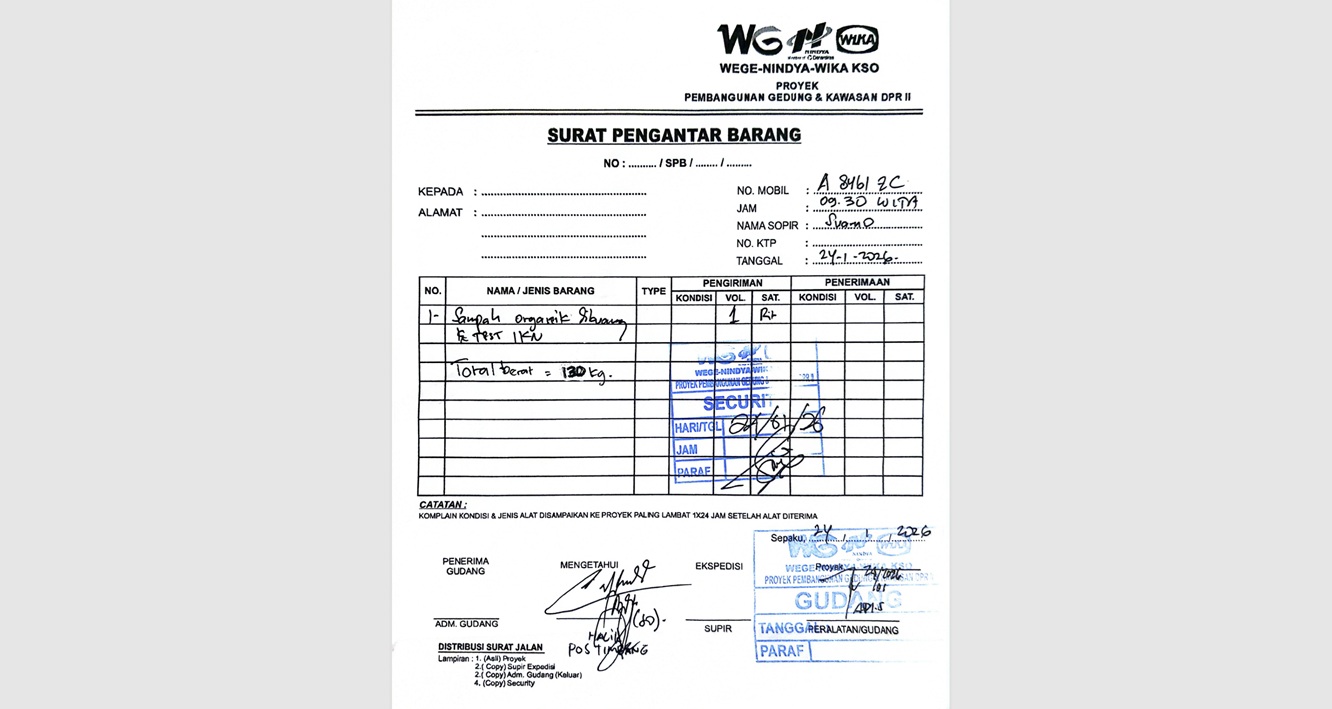
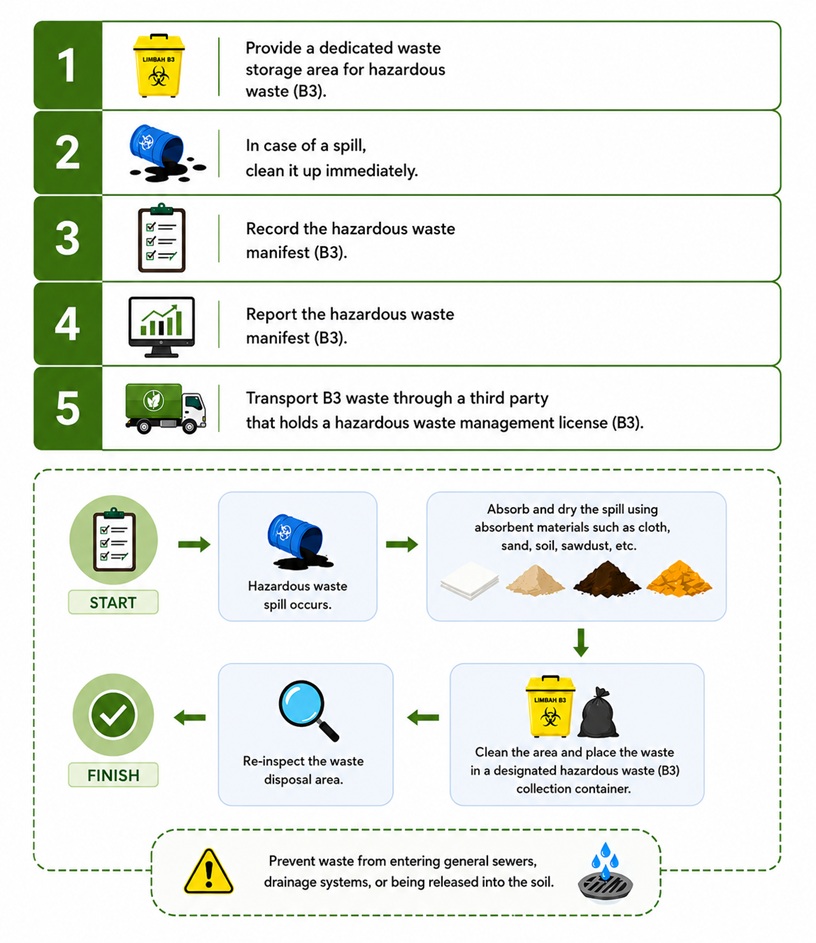
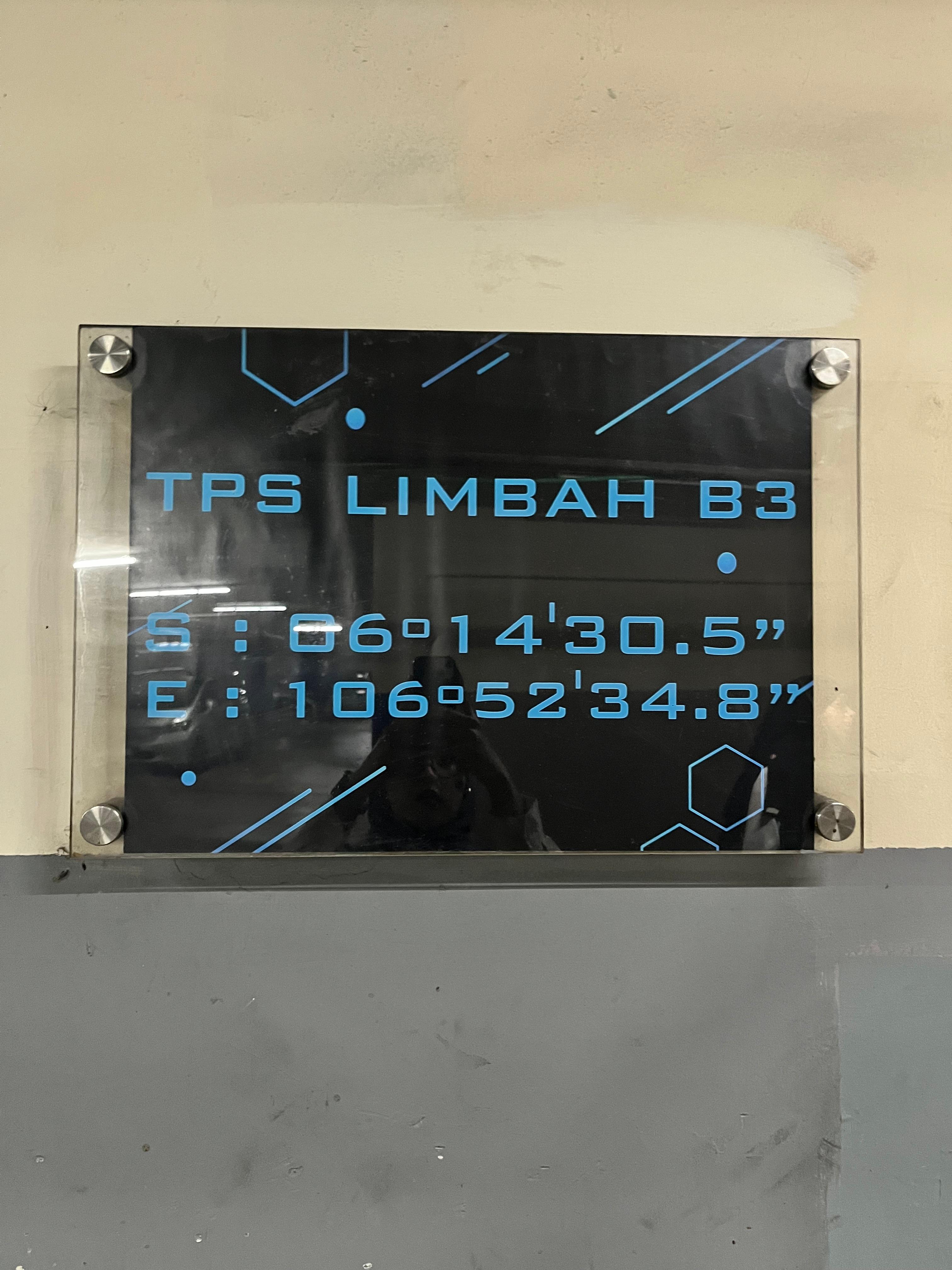
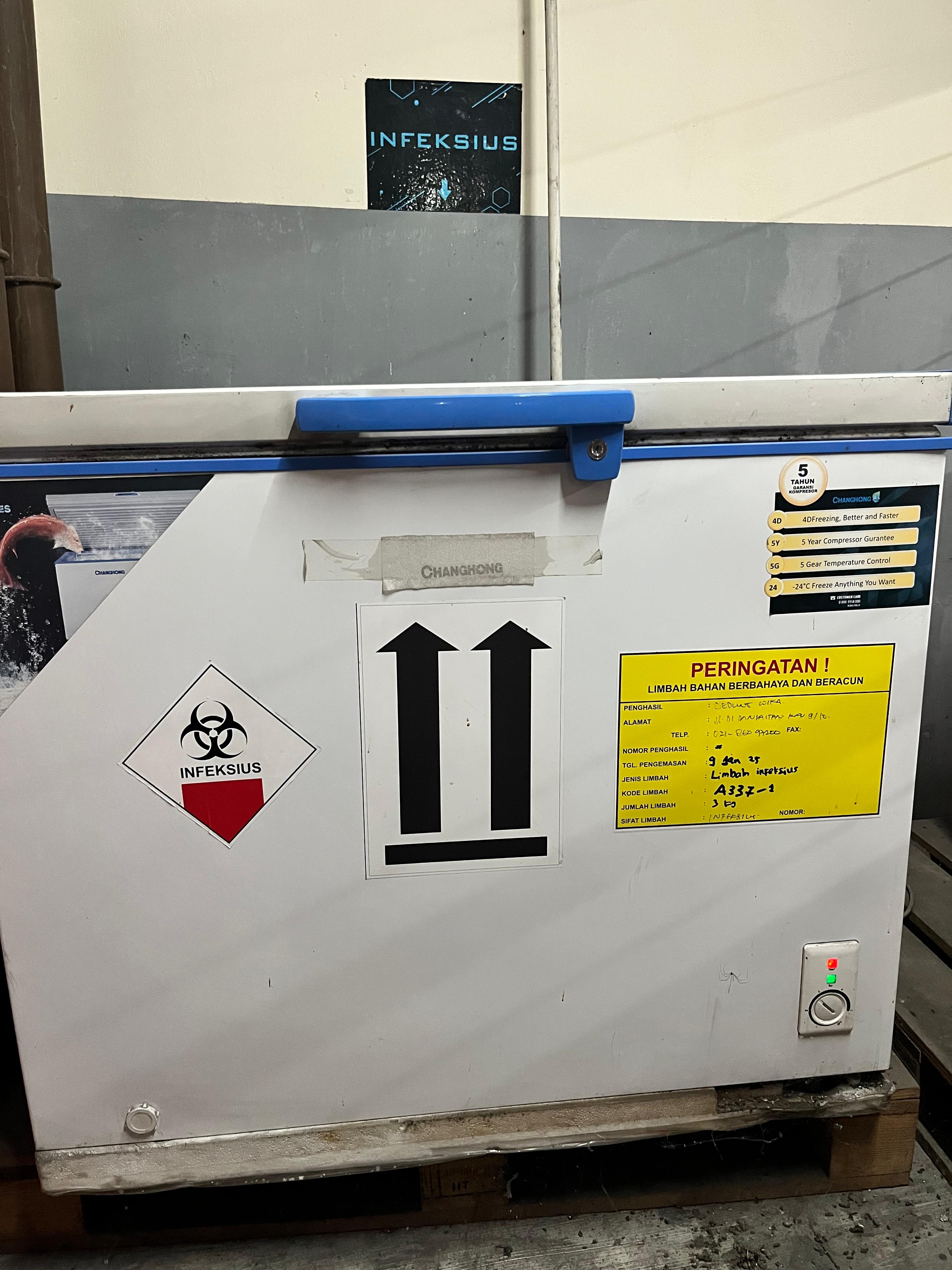
Control of hazardous materials (B3 – hazardous and toxic materials) is implemented to prevent environmental pollution and to ensure occupational safety across operational and project areas. The control process begins with the provision of dedicated hazardous waste (B3) containers and supporting facilities in compliance with applicable safety standards.
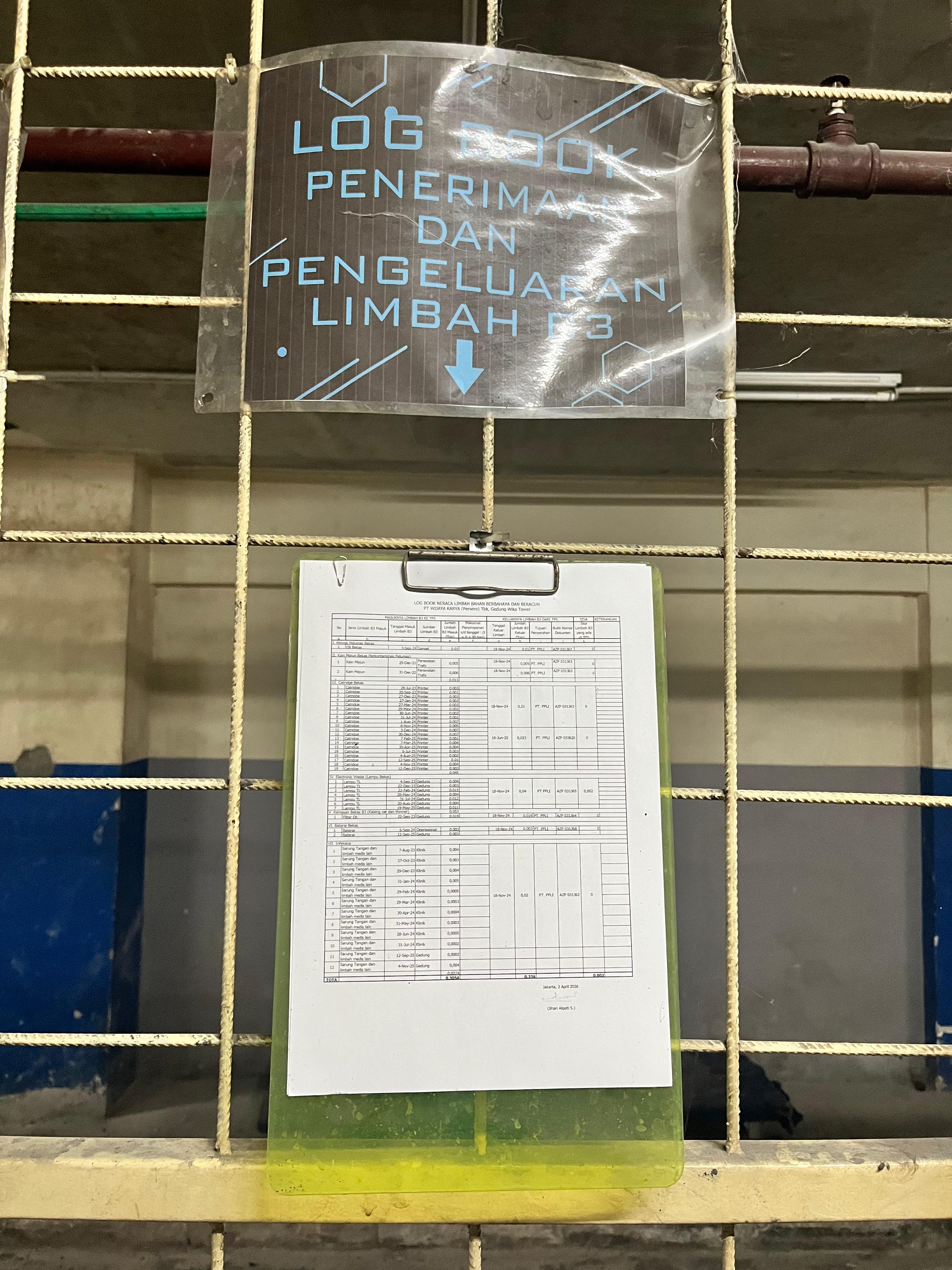
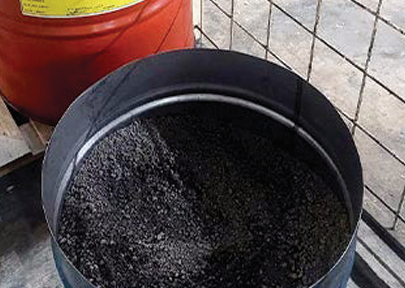
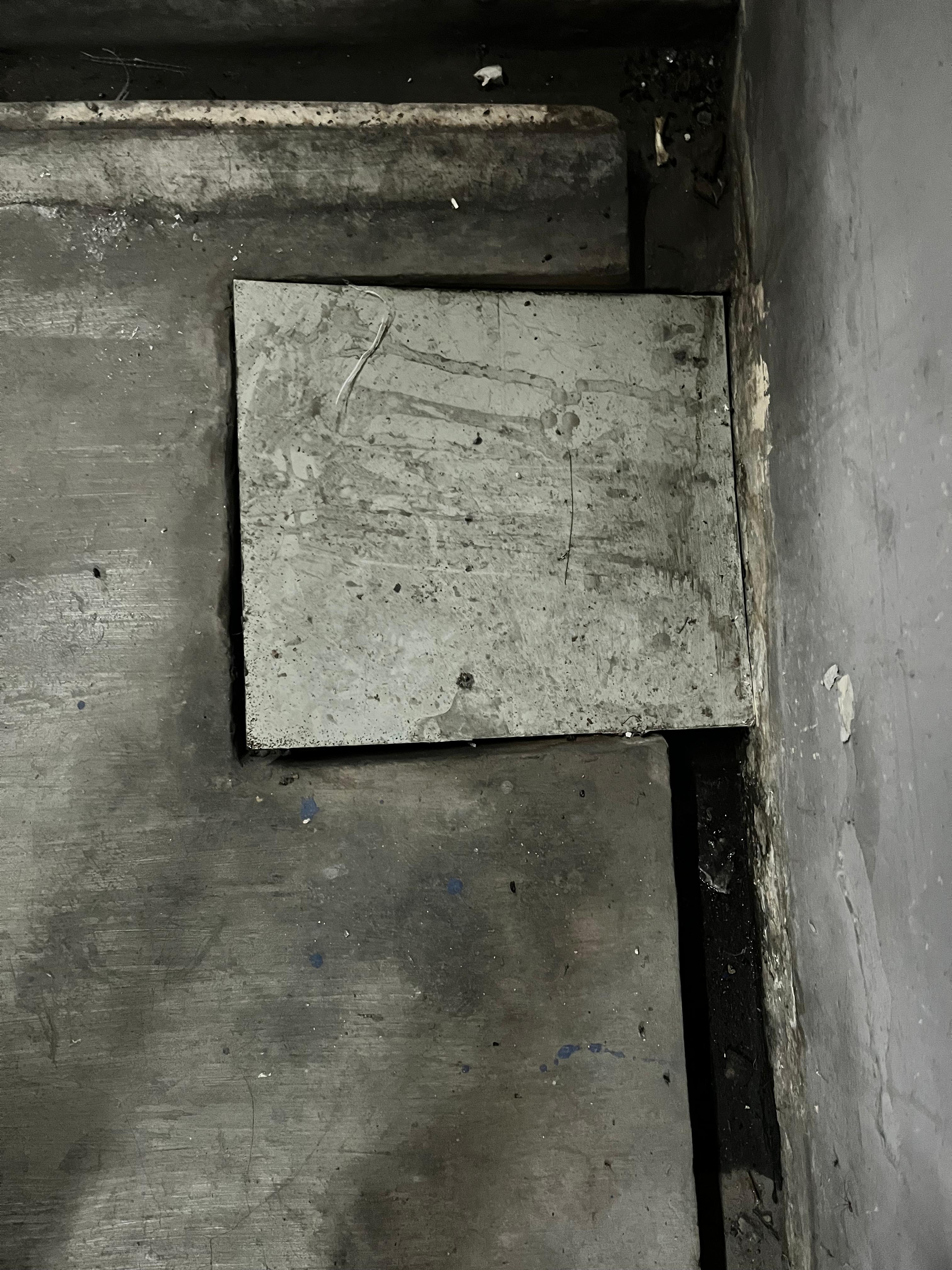
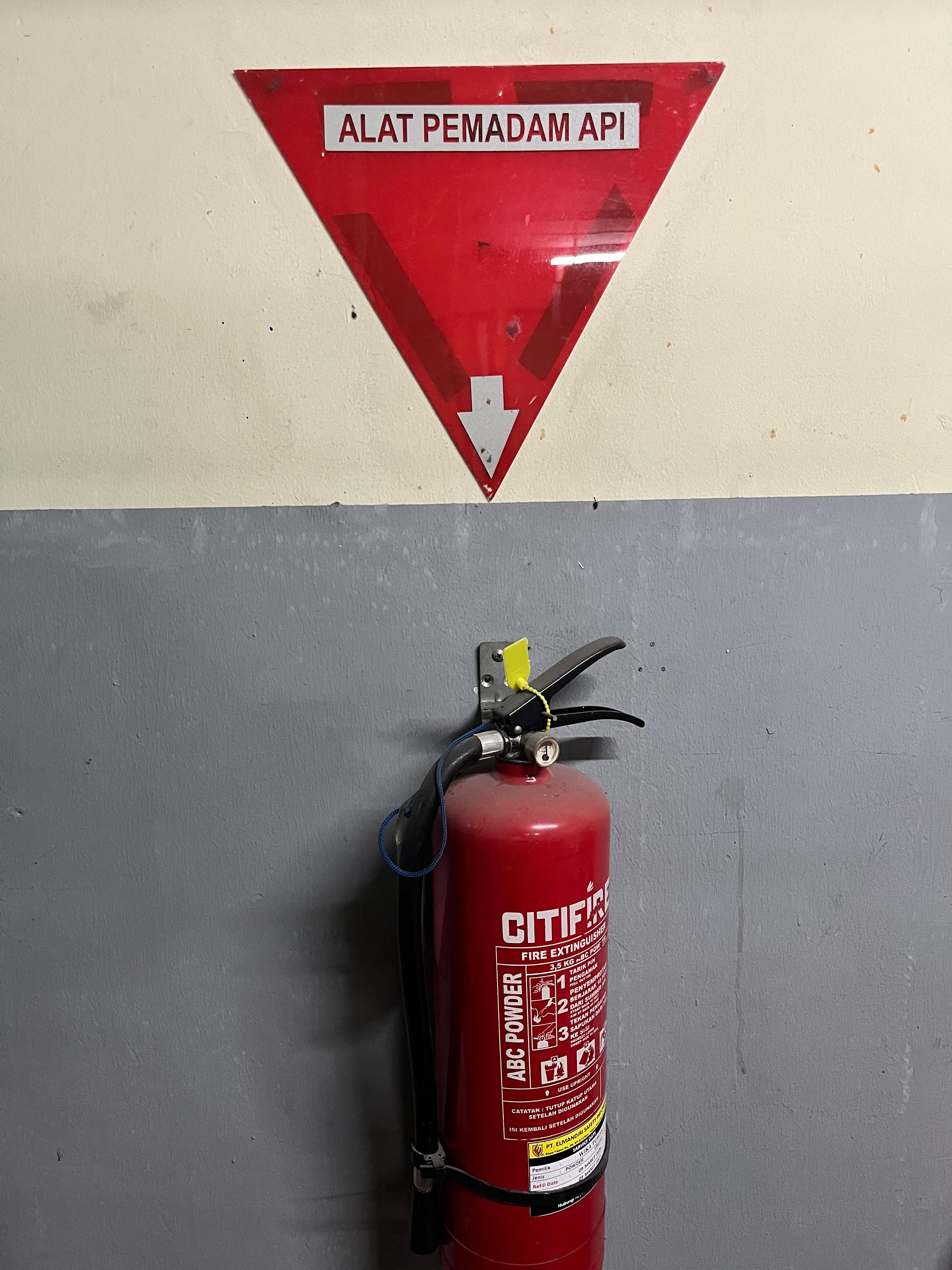
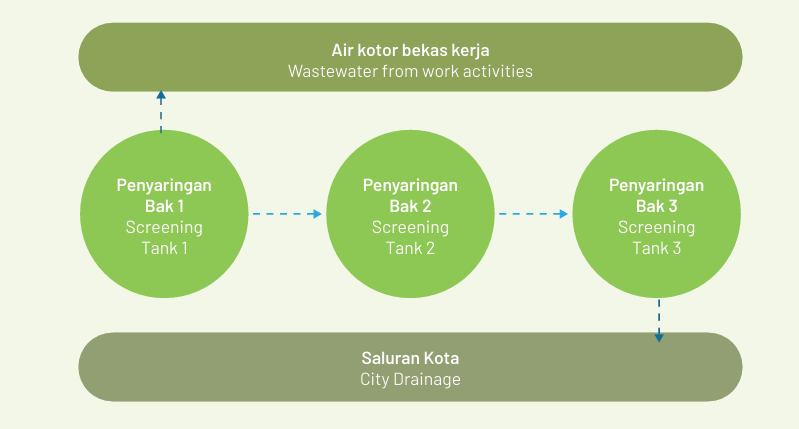
Non-hazardous liquid waste refers to wastewater generated from daily operational activities that does not contain hazardous and toxic materials. The company is committed to managing liquid waste in a responsible manner to preserve environmental quality and support sustainability.
In response to increasing awareness of the limited availability of clean water resources, the company has implemented strategic measures to optimize water utilization. A key initiative includes the establishment of a Wastewater Treatment Plant (WWTP) at the head office in 2021. This facility is designed to treat liquid waste prior to discharge, ensuring compliance with regulatory quality standards and supporting the company’s sustainability objectives. Meanwhile, at project sites, non-hazardous liquid waste is managed through licensed third-party service providers for proper collection and disposal.
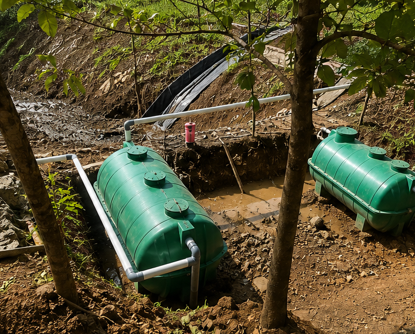 Biological Treatment Tank
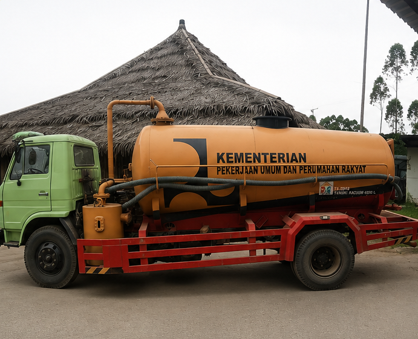 Septic Tank Service Truck
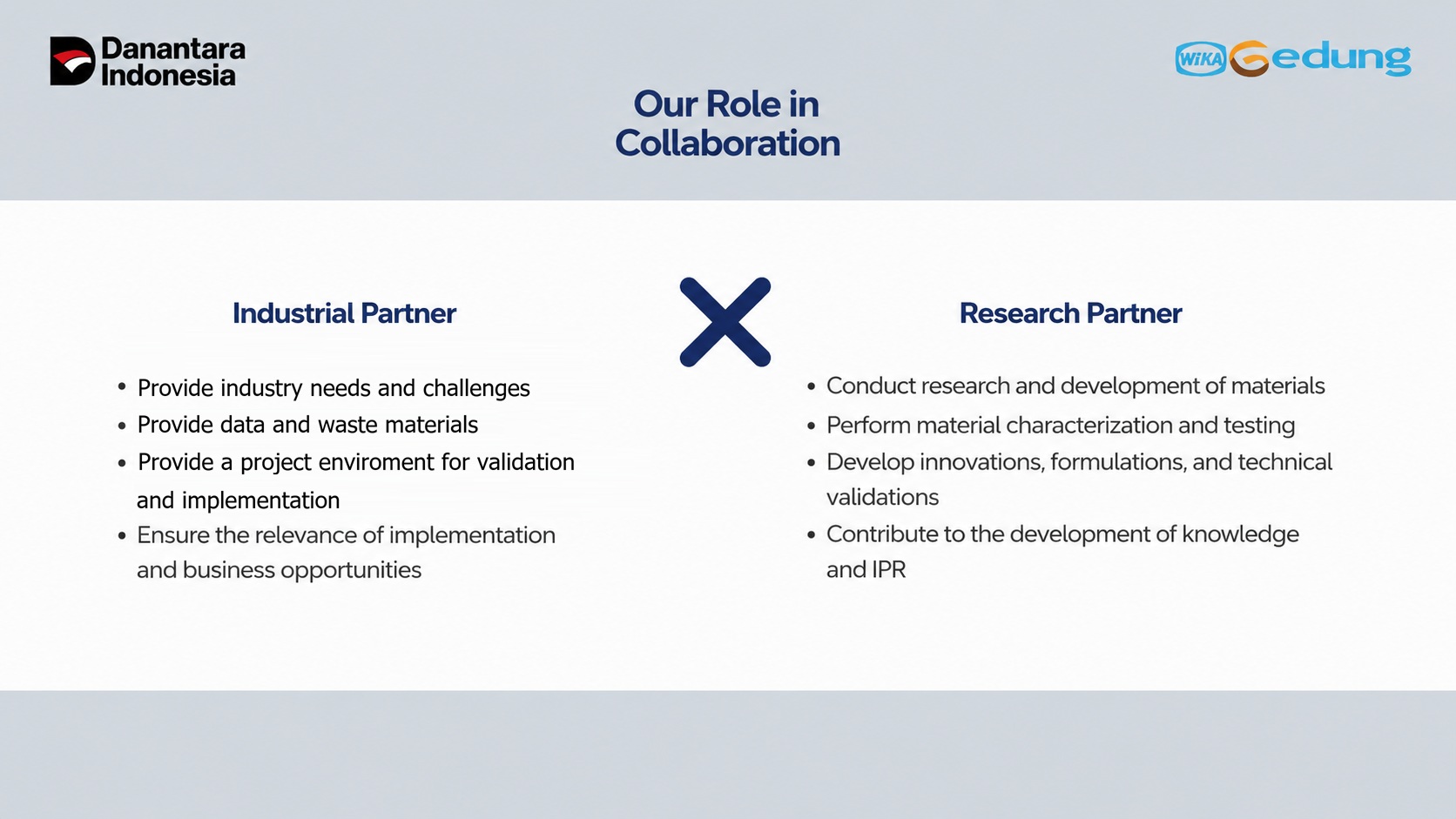
This strategic program of PT Wijaya Karya Bangunan Gedung Tbk (WEGE) represents an initiative to develop the utilization of construction residual/demolition waste materials into value-added materials and products through innovative collaboration with Universitas Gadjah Mada. The program is designed to foster material innovation, develop the company’s intangible assets, and create opportunities for commercialization and new business development based on research and technology outcomes.
In addition to supporting sustainability improvements in construction processes, this program is expected to deliver added value to the company by reducing waste materials, optimizing resource utilization, enhancing operational efficiency, and potentially lowering the Cost of Goods Sold (COGS). Innovation development is also directed toward potential intellectual property (IP/HAKI) ownership, the development of alternative material products, and opportunities for implementation across projects and the broader construction market.
Through synergy between industry and academia, this program represents a strategic step by WEGE in building innovation capabilities focused on efficiency, business value creation, and strengthening the company’s competitiveness in the future.
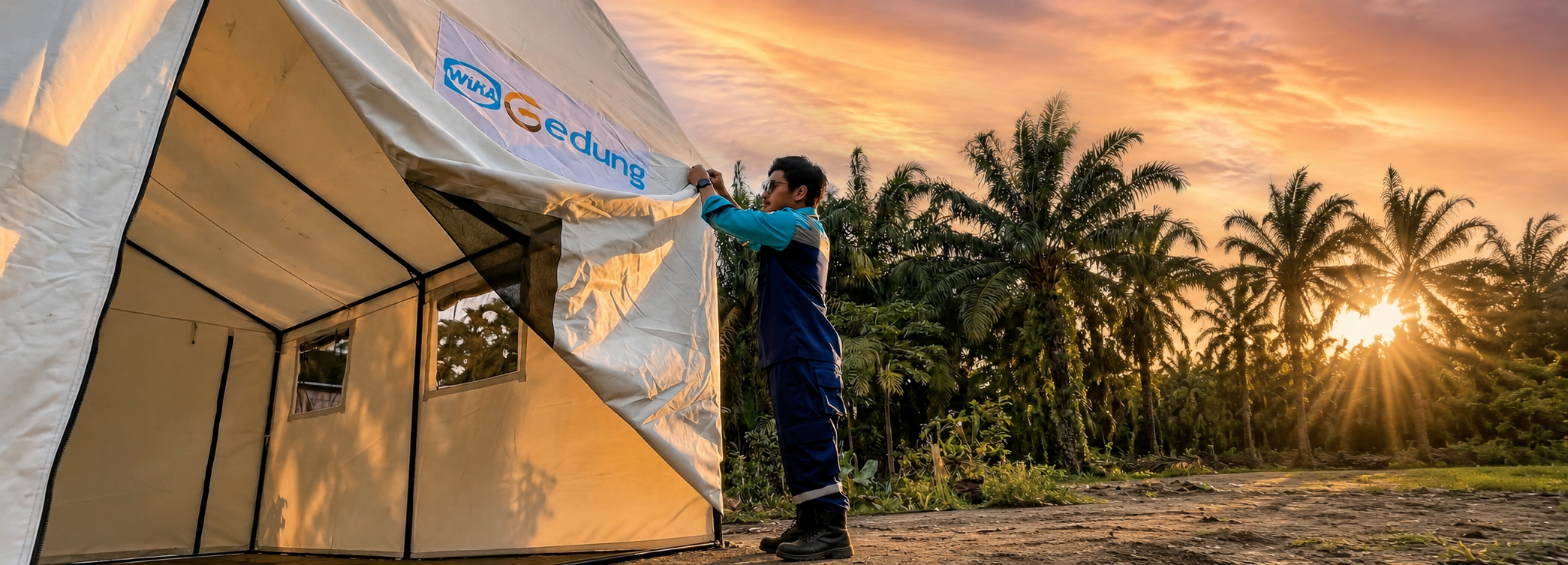
WEGE acknowledges that the sustainability of biodiversity is a vital component of environmental quality. Accordingly, the Company is committed to protecting key ecosystem elements, including flora and fauna species, genetic diversity, and the balance of natural ecosystems. Safeguarding these elements is considered an inherent responsibility within the Company’s operations, as stable habitat conditions are essential to sustaining long-term environmental resilience.
WEGE acknowledges that natural capital is a critical factor in sustaining the company’s operations, particularly within the construction sector, which is inherently linked to the utilization of natural resources and land. Accordingly, WEGE conducts biodiversity risk assessments across all construction projects in 2025, covering potential risks such as extreme rainfall, flooding, land-use changes, and ecosystem conditions, including identified risks. The Company integrates environmental and biodiversity considerations into its Risk Register, implements mitigation and environmental restoration measures through vegetation planting initiatives, and strengthens collaboration with key stakeholders to advance sustainable construction practices that minimize ecological impacts while creating long-term value for communities and the environment.
WEGE has demonstrated its early commitment to biodiversity conservation through the implementation of various initiatives that are integrated into its operational activities as well as its environmental and social responsibility programs.
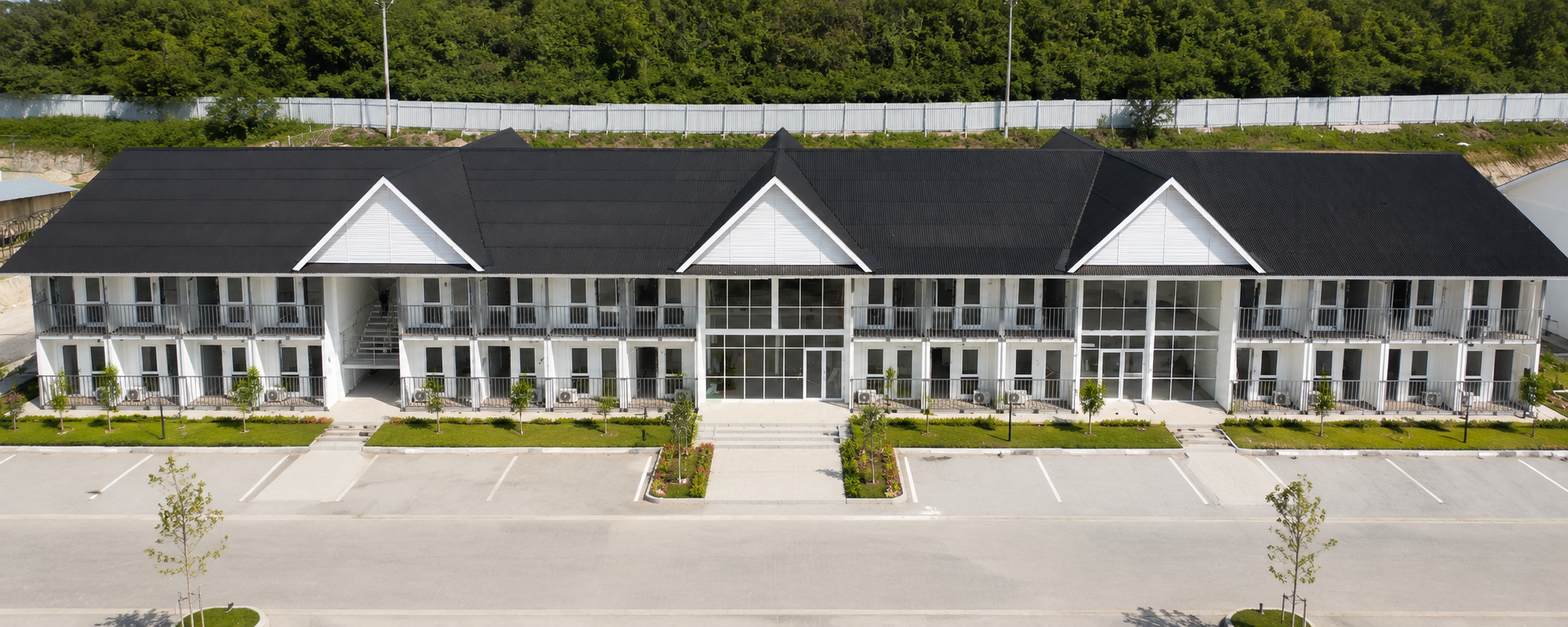
As part of its commitment to sustainable development, WEGE classifies its modular products as well as green design as part of its sustainable product portfolio, offering them as sustainable construction solutions. Modular is not only viewed as a technological innovation but also as a strategic approach to support green construction principles, the circular economy, and energy efficiency within the construction industry.
The modular concept is a modern construction approach that emphasizes the standardized fabrication of building components off-site, which are then systematically assembled on-site. This method not only improves time efficiency and work quality but also reduces dependency on weather conditions and minimizes the potential for construction errors.
WEGE enhances human resource capacity through green building training to support the development of more sustainable and efficient construction products and processes, while delivering added value to customers and the environment.
To ensure the credibility of its sustainable products for various stakeholders, WEGE’s Green Building sustainable products are currently undergoing external verification. The results of this verification are expected to provide additional assurance regarding product quality, sustainability, and integrity, while also serving as a basis for WEGE to continuously improve its green construction practices and support sustainable development standards.
Achieving sales targets for sustainable products will result in incentives in the form of rewards and recognition for all employees and Company management in recognition of their success in meeting sales targets
WIKA Gedung’s green building and energy-efficient construction portfolio is most directly associated with the EU Taxonomy Environmental Objective: Climate Change Mitigation, particularly under Activity 7.1 – Construction of New Buildings, which covers the construction of residential and non-residential buildings that meet specified energy-performance and lifecycle-carbon criteria. Given WIKA Gedung’s portfolio of building construction and certified green building projects, this represents the most relevant primary EU Taxonomy pathway. In addition, WIKA Gedung’s modular and resource-efficient construction solutions may also contribute to the EU Taxonomy Environmental Objective: Transition to a Circular Economy, particularly under Activity 3.1 – Construction of New Buildings, where projects meet requirements related to construction waste recovery, material efficiency, adaptability, and circular design. WIKA Gedung describes its modular systems as off-site, energy-efficient, relocatable, and reusable construction solutions, which conceptually support this objective.
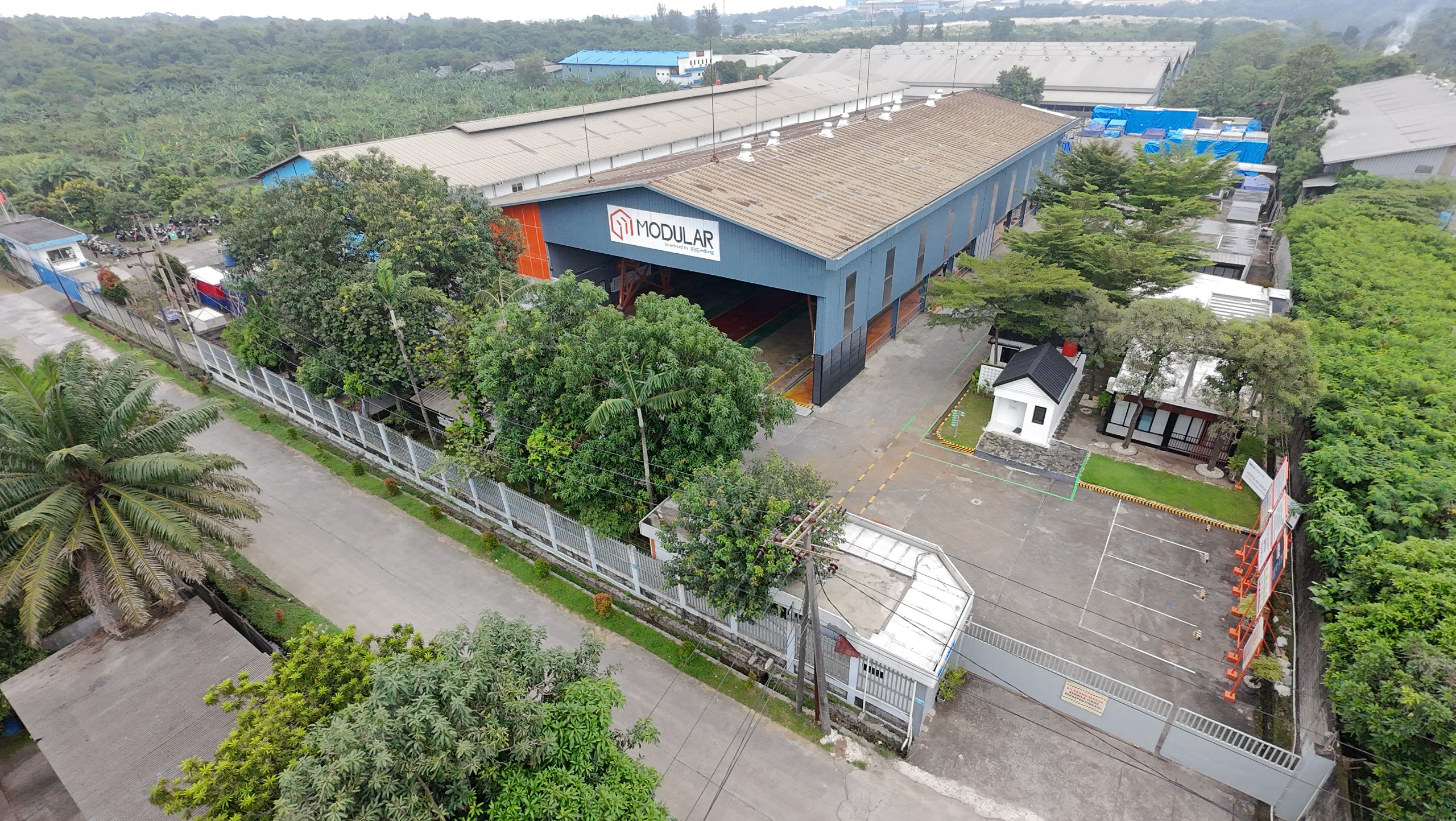
As part of its commitment to sustainable product development, WEGE operates a Modular Factory in Bogor that supports innovation in modern construction methods. This infrastructure enables improved material efficiency, reduced environmental impact, and the provision of more sustainable building solutions for customers.
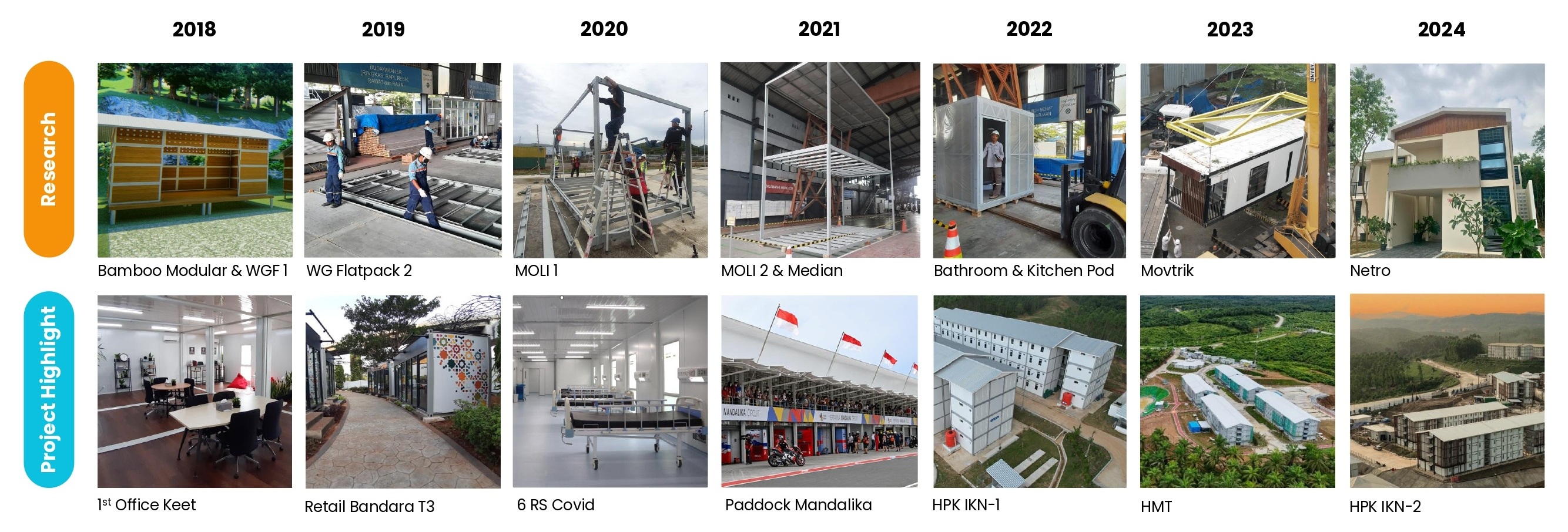
WEGE continues to innovate, research, and develop its modular product portfolio as part of its sustainability strategy, with the aim of providing construction solutions that are more efficient, environmentally friendly, and adaptable to market needs.
Furthermore, WEGE has formulated the CAPEX requirement for green materials or green portfolio in its 2026-2030 Company Long-Term Plan (RJPP) at 4.04%, reflecting the Company's commitment to allocating investment toward more environmentally friendly construction and materials.
Revenue is generated from the application of environmentally friendly materials, modular technology, and energy and water efficiency systems. These products enhance project value while meeting market demand for green construction.
Enhances project competitiveness, attracts investors, and creates opportunities for incentives.
The integration of both drives increased project value, expands market reach, and creates sustainable revenue streams.
|
PROYEK
|
2025
|
2024
|
2023
|
2022
|
|---|---|---|---|---|
|
Jakarta International Stadium (JO)
|
- | - | - | 158,929 |
|
Package 3 Construction of AGLC, ASLC & IFFLC (UGM) – JO
|
- | - | - | - |
|
Building SGLC & ERIC - UGM (JO)
|
- | - | - | 42,313 |
|
Industry 4.0 Human Resource Development & Innovation Center Building
|
- | - | - | - |
|
Construction of the MKGI Education and Laboratory Building (Center of Excellence) – BMKG
|
- | - | - | 7,486 |
|
Coordinating Ministry Building 1 – IKN
|
33,544 | 475,234 | 284,791 | - |
|
Paspampres Apartment (ASN Housing – IKN)
|
180,547 | 1,189,309 | 412,447 | - |
|
Construction of Wing 1 Building and Ministry of Public Works and Housing Office Complex
|
307,836 | 283,049 | - | - |
|
Basilica and Church Building and Complex (JO)
|
200,149 | - | - | - |
|
Design and Build of the Undip Tembalang Tower Construction
|
76,811 | - | - | - |
|
TOTAL
Rp million
|
798,887 | 1,947,592 | 697,238 | 208,728 |
|
Total Project Revenue
Rp million
|
1,623.56 | 3,673.53 | 3,979.71 | 2,366.00 |
|
% Green Building Revenue
|
49% | 53% | 18% | 9% |
|
PROYEK
|
2025
|
2024
|
2023
|
2022
|
|---|---|---|---|---|
|
Number of Green Certified Buildings
|
2 | 2 | 3 | - |
|
Total Number of Projects
|
7 | 14 | 21 | 18 |
|
% Green Certified Buildings as a Percentage of Total Projects
|
28,5% | 14,2% | 14,2% | 0% |
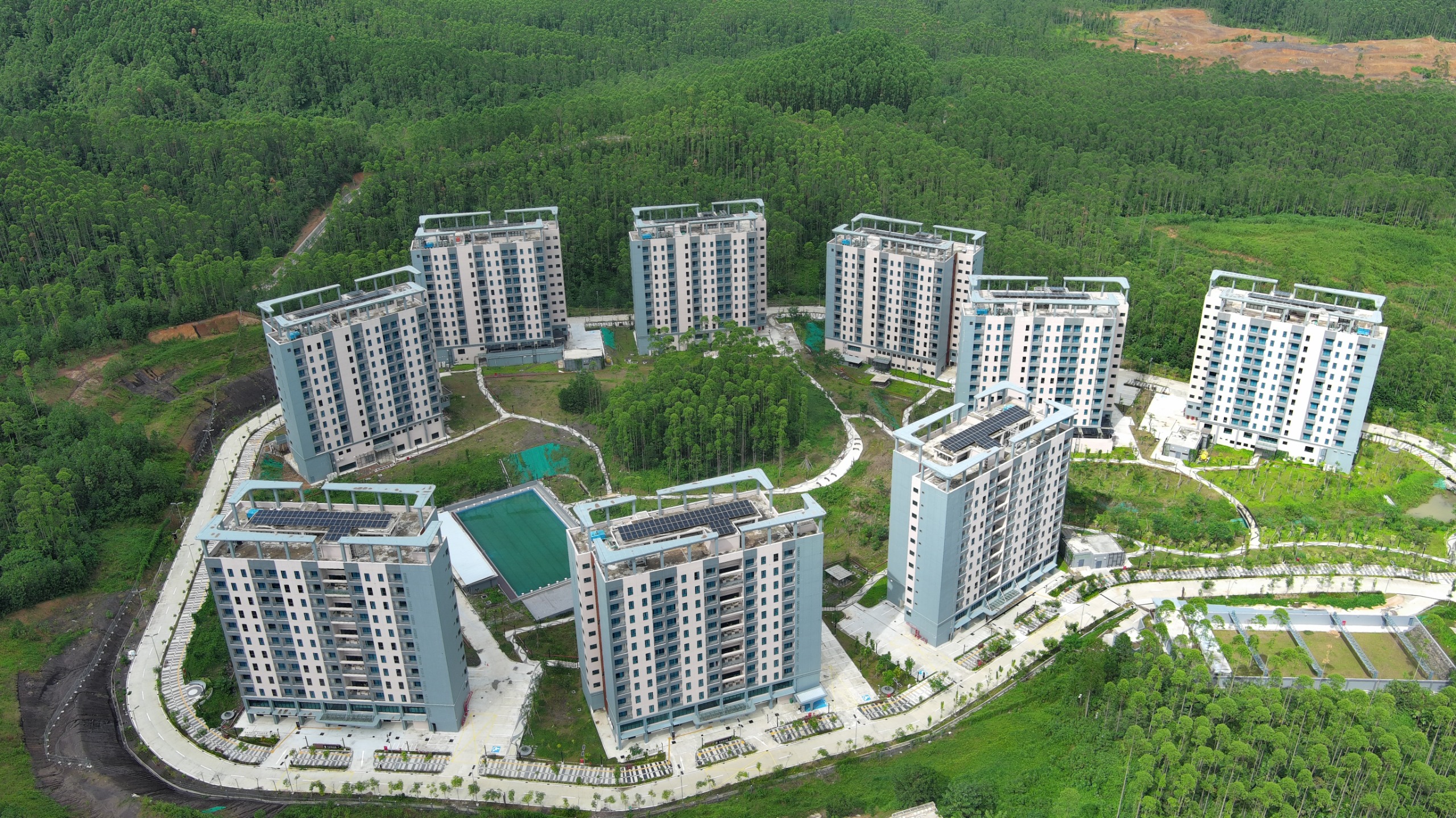
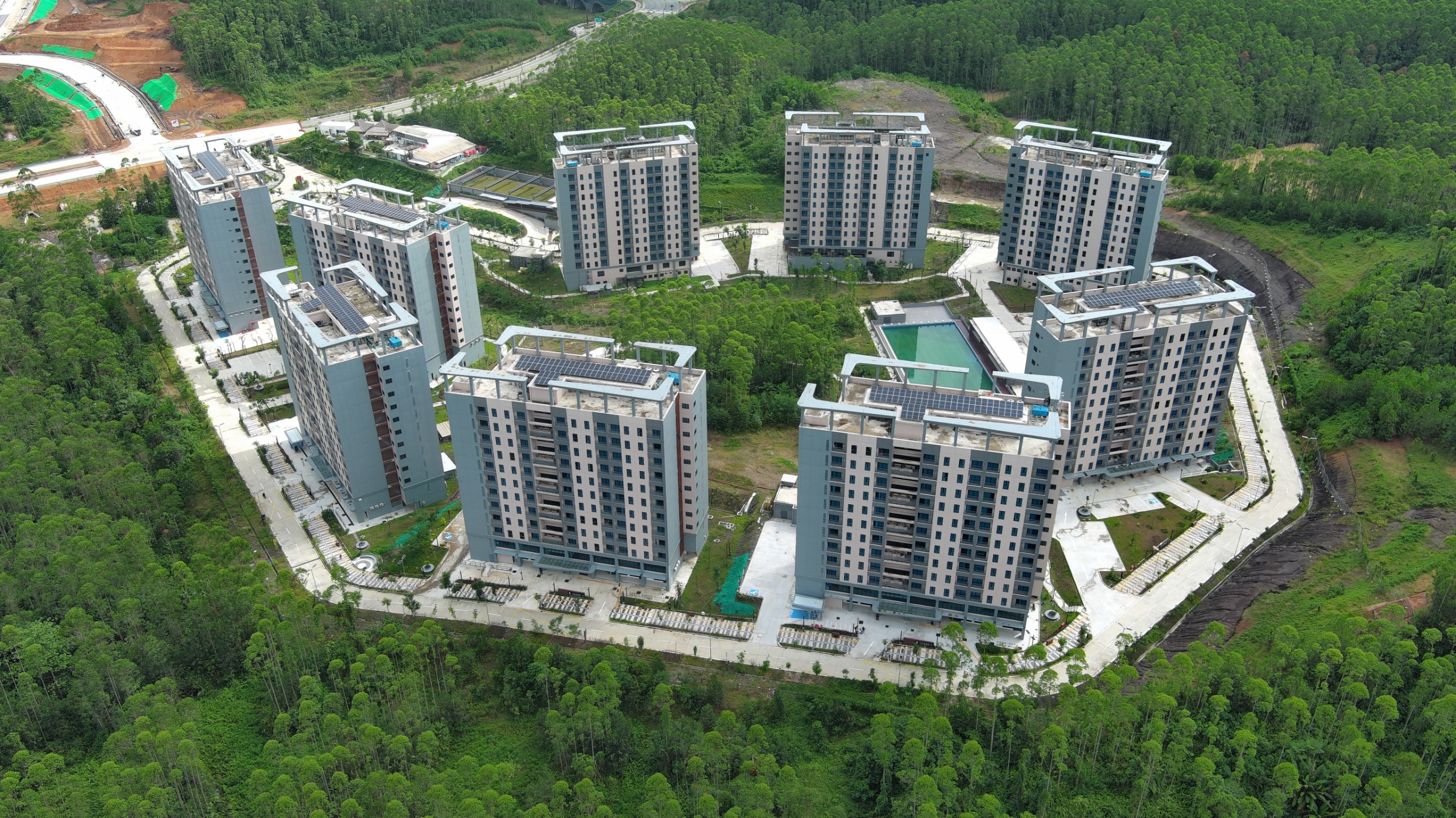
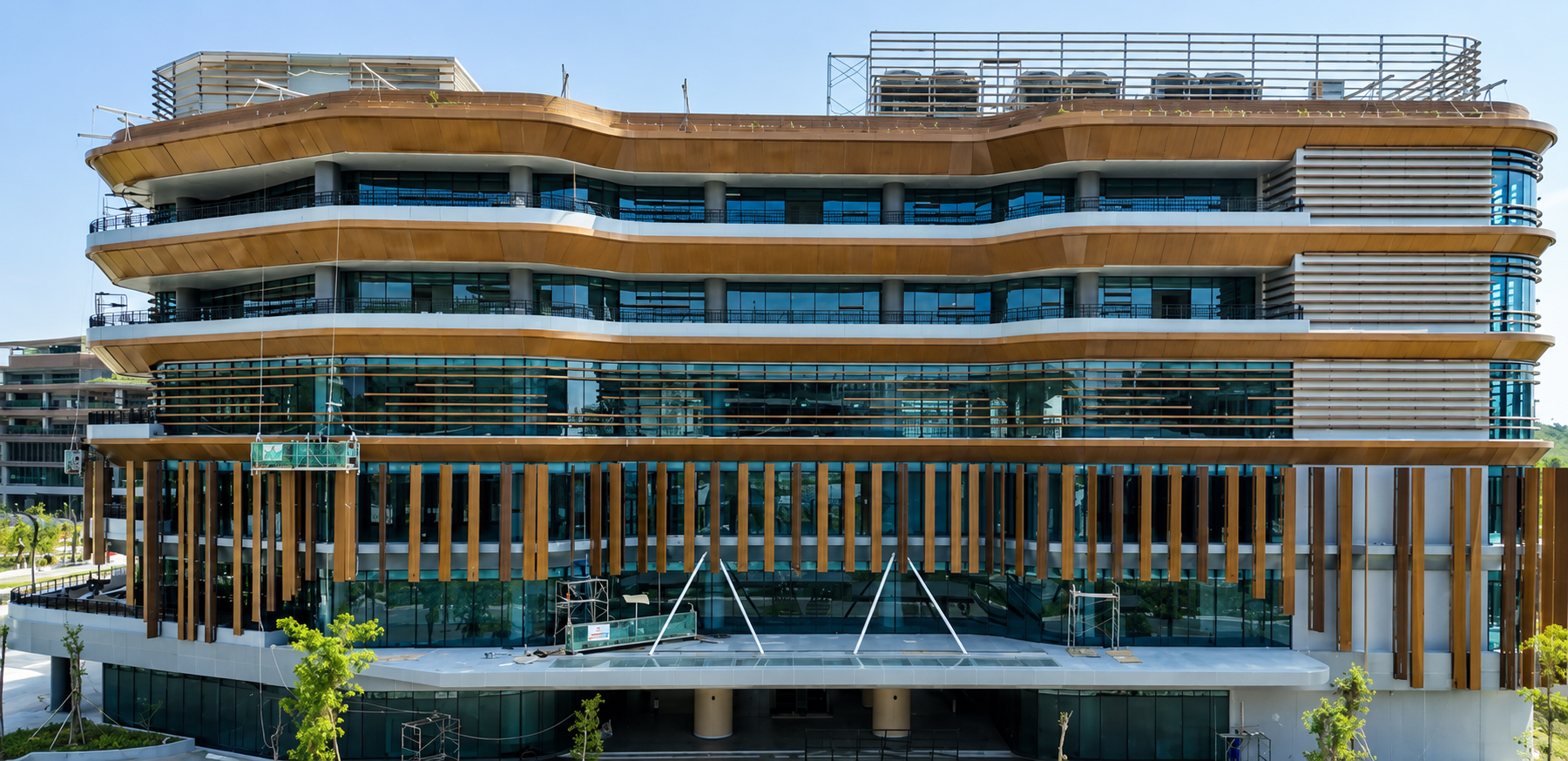
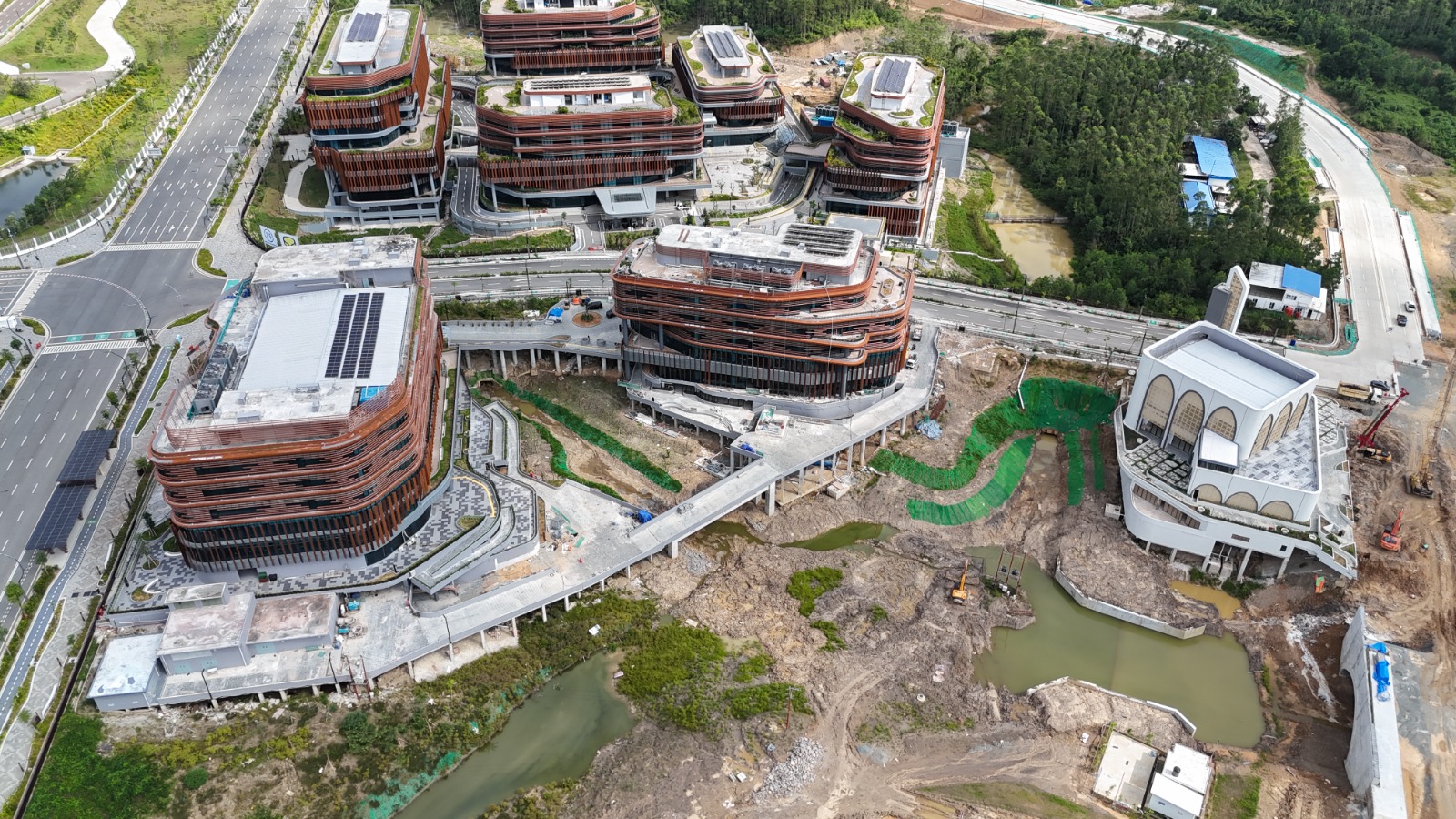
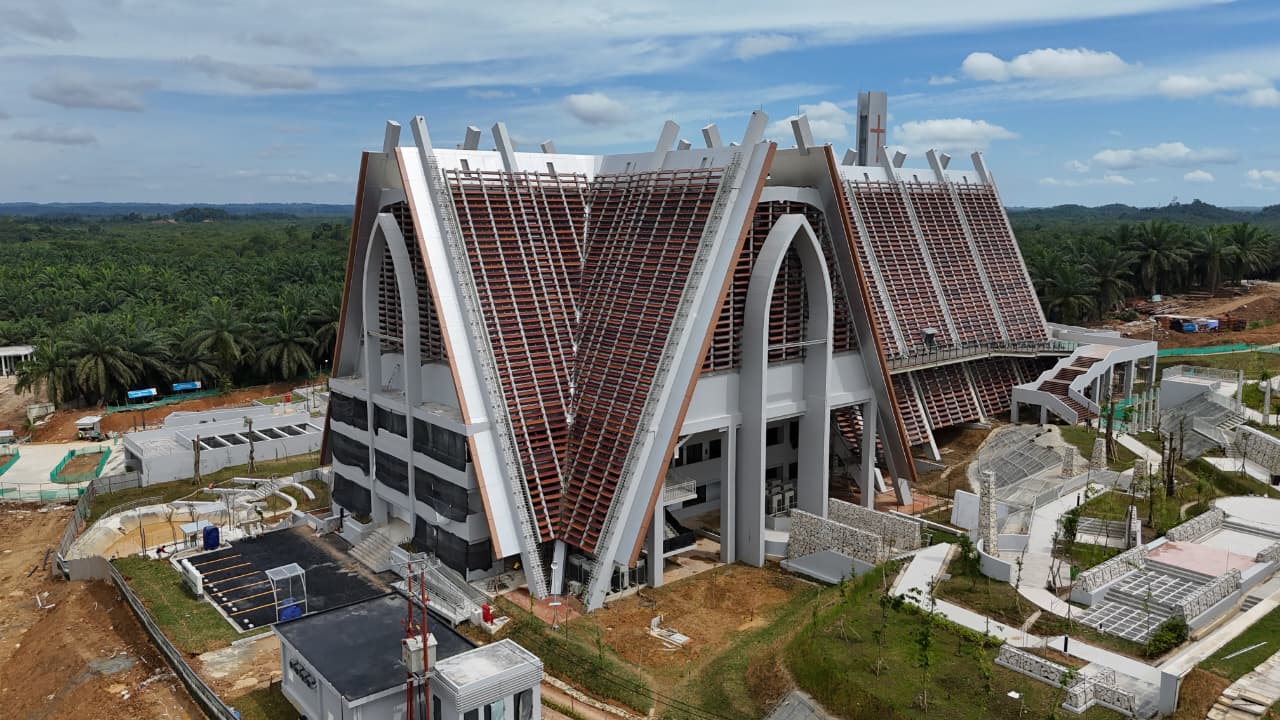
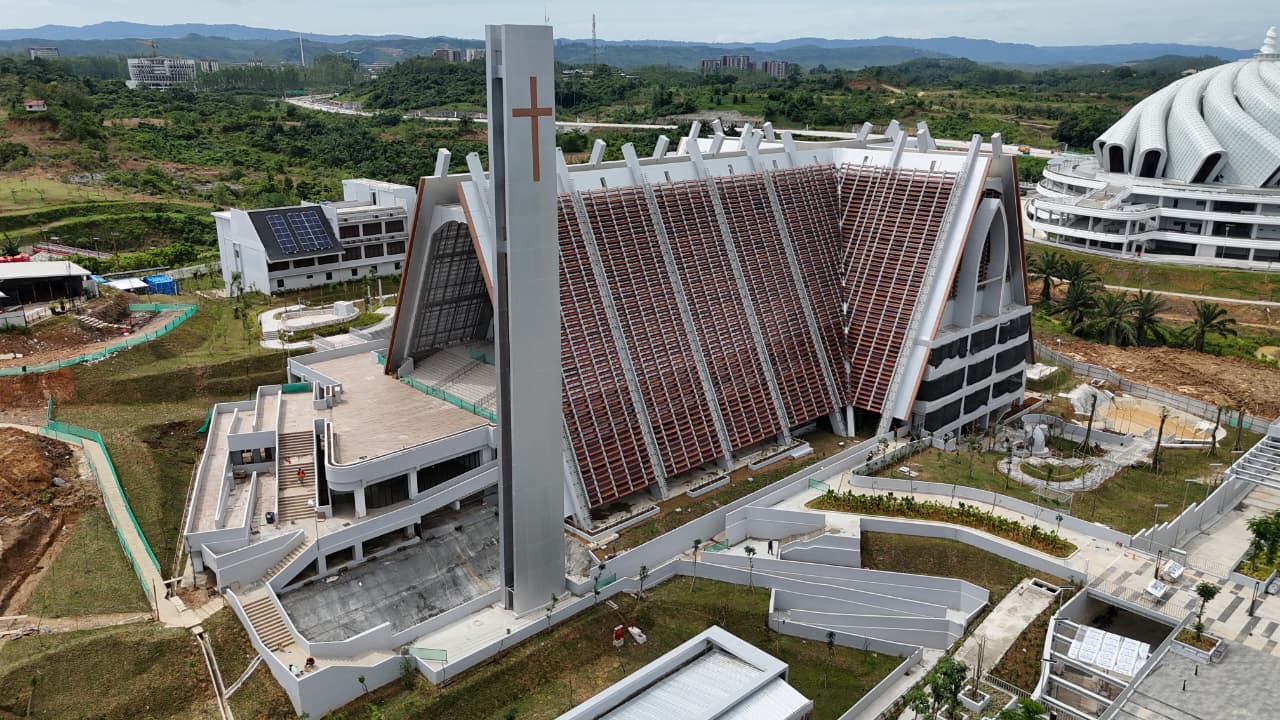
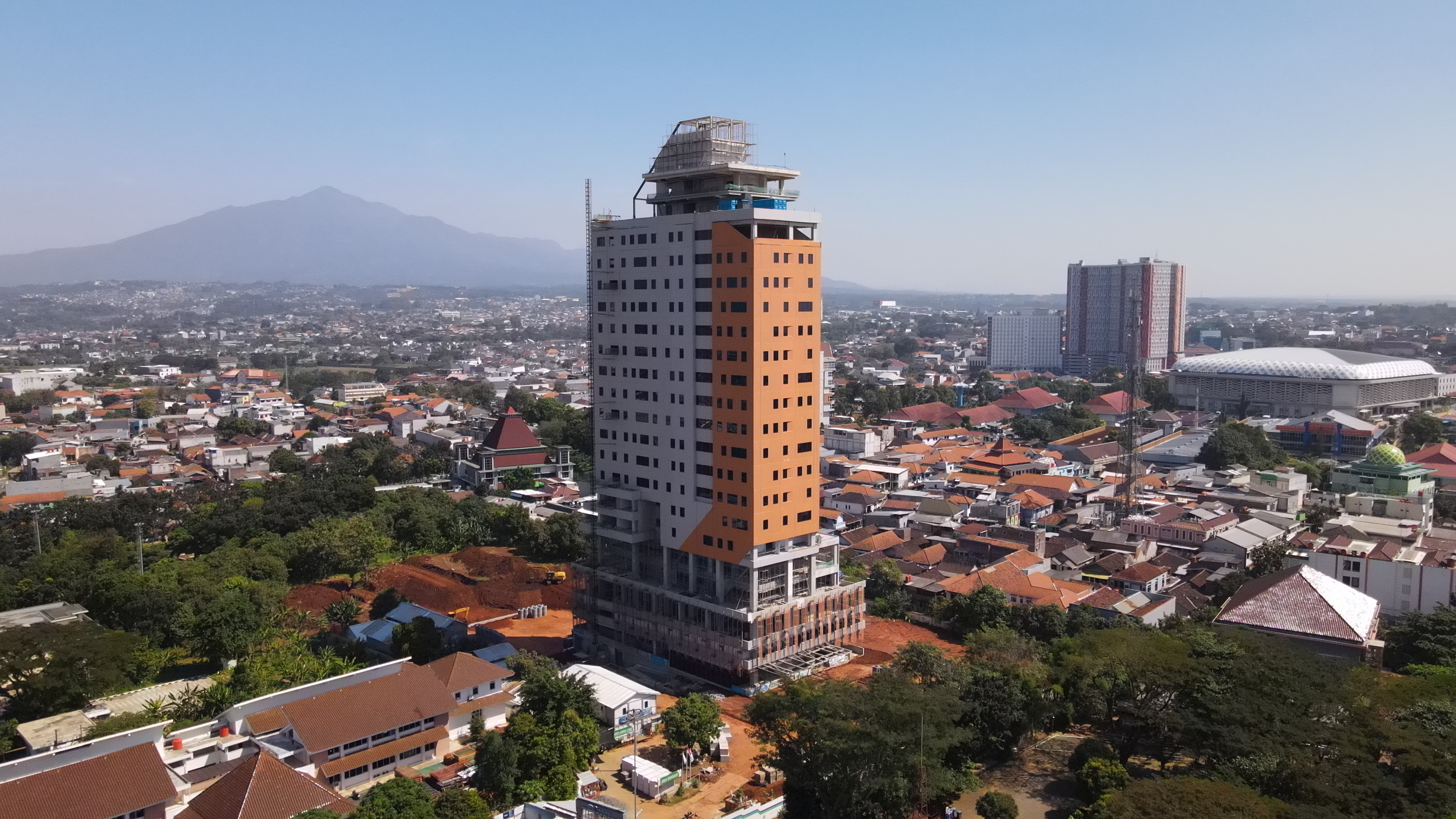
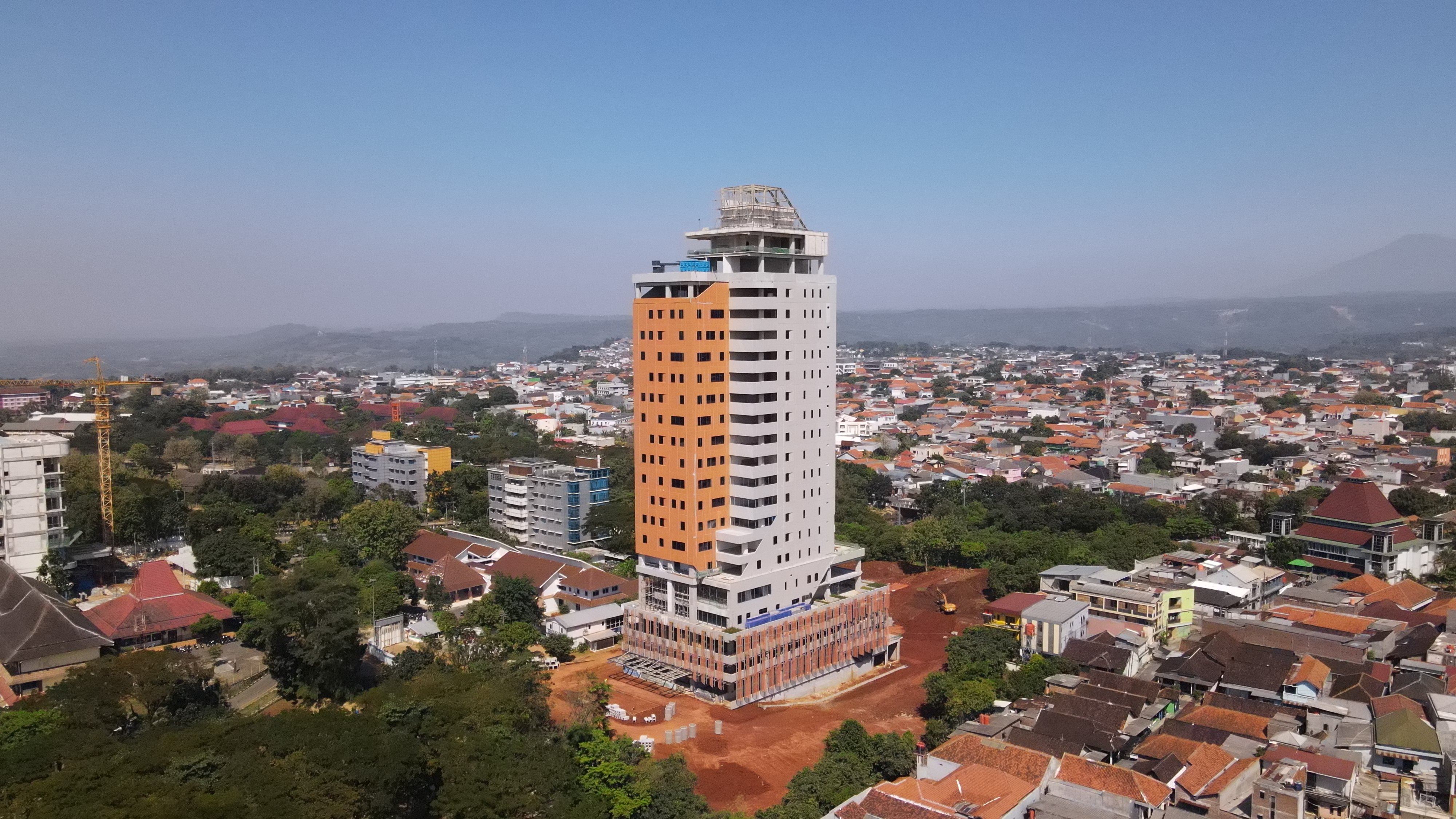
In an effort to reduce waste, WEGE implements modular products using the Prefabricated Prefinished Volumetric Construction (PPVC) method to minimize construction waste and improve efficiency. The use of modular construction also enhances time and resource efficiency, while supporting the achievement of the company’s sustainability targets.